Rosneft Launches $135 Billion Arctic Oil Expansion
Russia has begun first oil shipments from its new Far North pipeline, targeting 30 million metric tons by 2027.
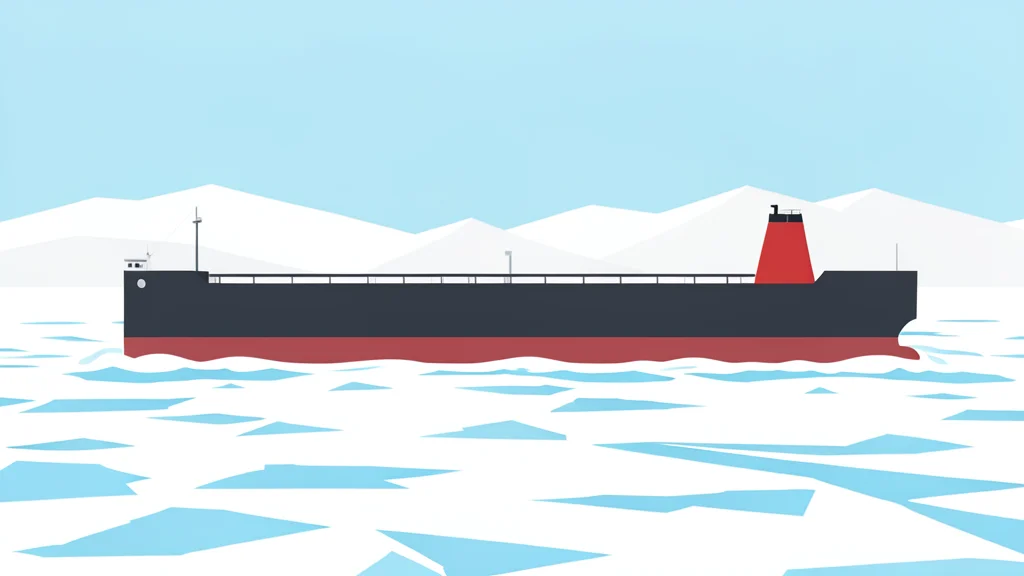
Rosneft has loaded the first crude oil onto the Arc7 ice-class tanker at Bukhta Sever Port. This marks the operational start of the Vostok Oil project. The initiative connects new fields to the Northern Sea Route.
The project was estimated at 10 trillion rubles, or 135 billion US dollars, in 2022. It aims to produce 100 million metric tons of oil annually. The output will be shipped to international markets, primarily China.
New Pipeline Increases Transport Capacity
A new pipeline now links the Vankor and Payakha fields to the port. It has a design capacity of 100 million metric tons per year. This infrastructure supports the region’s proven reserves of 6 billion metric tons.
Bukhta Sever Port features an oil-loading berth and two cargo berths. It includes 14 storage tanks with a combined capacity of 30,000 metric tons. The port serves as the primary exit point for Arctic crude.
Sanctions Shape Delivery Timelines
Rosneft CEO Igor Sechin stated that sanctions constrain current operations. The company targets 30 million metric tons of oil supply in late 2027. It aims for 50 million metric tons by 2030.
These figures are lower than the initial 200,000 barrels per day target. The delay reflects the impact of external financial restrictions. The project remains central to Russia’s export strategy.
China Remains Primary Buyer
Moscow and Beijing signed an 80 billion US dollar deal in 2022. It covers 100 million metric tons of oil over ten years. This contract supplements existing pipeline flows to China.
Russian crude shipments via pipeline to China totaled 40 million metric tons in 2021. The Arctic route adds a maritime alternative to these land-based flows. According to GN auto markets/energy: crude oil prices, this expansion diversifies Russia’s export logistics.