Fed Hikes Rates to 3.9% as Inflation Stays Above Target
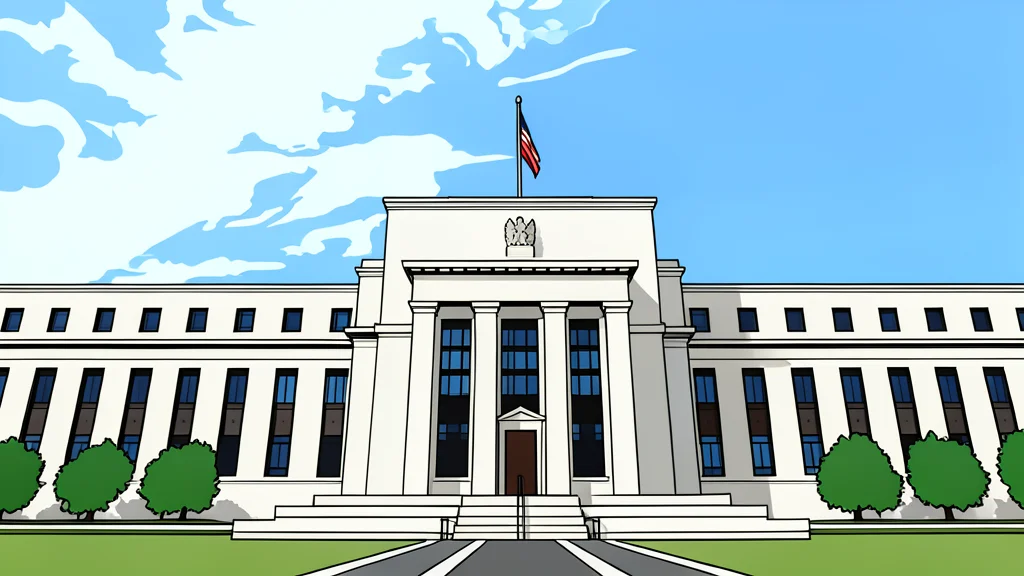
The Federal Reserve increased its benchmark rate by a quarter point, marking the first hike since 2023. The move targets persistent inflation that remains well above the central bank's 2% goal.
The Federal Reserve raised its key interest rate to approximately 3.9% on Wednesday. This is the first increase since 2023. The central bank acted to counter stubbornly high inflation. It also signaled that a second hike could occur later this year.
The quarter-point increase will raise borrowing costs for mortgages and auto loans. Inflation ran at 3.7% in July, up from 2.3% in April 2025. Core inflation, which excludes food and energy, stood at 3.3%. These figures are far above the Fed's 2% target.
Fed signals further rate hikes ahead
The Fed’s quarterly projections point to a second increase to 4.1%. Chair Kevin Warsh stated that underlying inflation has not slowed sufficiently. He noted the economy showed signs of gathering speed since July. Warsh emphasized the need for confidence that inflation is moving toward the objective.
Preston Caldwell of Morningstar suggested Warsh may push for higher rates in future meetings. Warsh cited renewed combat between the U.S. and Iran as a factor. This conflict has driven average gas prices up more than 7% in one month. He noted that other central banks are also hiking rates.
Market expectations shift toward higher yields
The yield on the 2-year Treasury rose to 4.74% from 4.67%. This move indicates investors expect further rate increases. Wall Street analysts now see a hike by December as likely. The Fed is scheduled to meet again in late October.
Most economists expect the Fed to hold rates steady in October. That meeting occurs just one week before the midterm elections. The political climate adds complexity to the policy decision. Affordability remains a leading issue for voters in the upcoming election.
Policy shift contrasts with prior stance
This rate hike marks a turnaround for Chair Kevin Warsh. He was appointed by President Donald Trump. Last year, Warsh suggested the Fed could reduce its key rate. Trump had expressed disappointment if Warsh did not cut rates.
Warsh told the Senate Banking Committee he did not promise rate cuts. He stated he would act as an independent policymaker. The data-driven approach has now led to tightening measures. The Fed remains focused on taming inflation regardless of political pressure.