SIA Q1 Fuel Costs Jump 78.5% as Oil Tops US$100
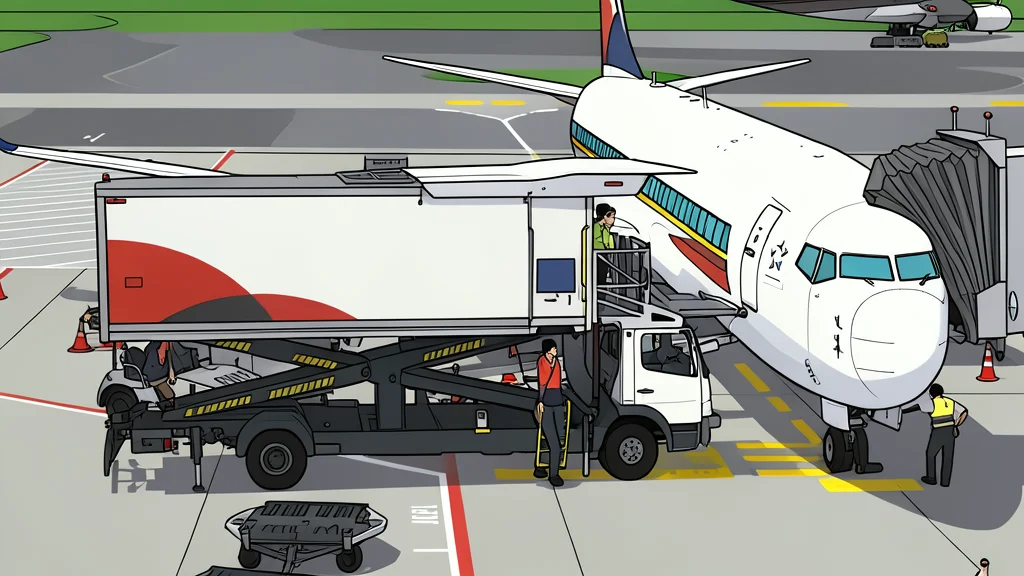
Singapore Airlines reported a 73.8% drop in operating profit due to soaring fuel bills, while SATS saw margins slip to 8.0%.
Key points
- Singapore Airlines' operating profit fell 73.8% to S$106 million as fuel costs rose 78.5% in Q1 FY2026/27.
- SATS Limited's EBIT margin declined to 8.0% and free cash flow turned negative due to reduced airline activity.
- SBS Transit is partially shielded from fuel price spikes because the government owns the buses under the current contract model.
Singapore Airlines saw net fuel costs surge 78.5% to S$2.3 billion in the first quarter of fiscal 2026. This sharp increase drove operating profit down 73.8% to S$106 million, compressing margins to 1.9%. The spike reflects crude oil prices returning above US$100 per barrel amid global supply disruptions.
Fuel now accounts for 41% of the carrier's total operating expenditures, creating significant margin pressure. Although SIA hedges a portion of its exposure, the immediate impact on cash flow remains severe. The airline relies on its S$9.1 billion cash balance to absorb these rising costs while it adjusts fares.
Indirect impact hits SATS volumes
SATS Limited faces indirect exposure as reduced flight activity limits its ground handling services. EBIT margins slipped to 8.0% from 8.3% a year earlier due to lower cargo and passenger volumes. The company’s free cash flow deteriorated to a negative S$22.6 million, widening the deficit from S$4.5 million.
SATS does not pay for jet fuel directly, but its business depends on airline activity levels. When carriers cut flights to manage fuel costs, SATS handles fewer operations. This structural link makes its revenue vulnerable to upstream energy price shocks without direct input cost increases.
SBS Transit insulated by contract model
SBS Transit operates a large diesel fleet but faces lower direct risk due to Singapore's Bus Contracting Model. The Land Transport Authority owns the buses and infrastructure, shifting fuel cost burdens away from the operator. This structure buffers SBS Transit from immediate volatility in global oil prices compared to commercial airlines.
Pricing power determines resilience
Companies with strong pricing power can pass higher energy costs to customers without losing demand. SIA retains some ability to raise fares, though competitive pressure limits how quickly this happens. Firms lacking this leverage face direct erosion of their profit buffers as input costs rise.
High oil prices also feed into broader inflation, potentially denting consumer demand across sectors. The sustainability of these energy costs will dictate the duration of margin pressure for Singapore-listed stocks. Investors are monitoring hedging strategies and balance sheet strength as key risk indicators.