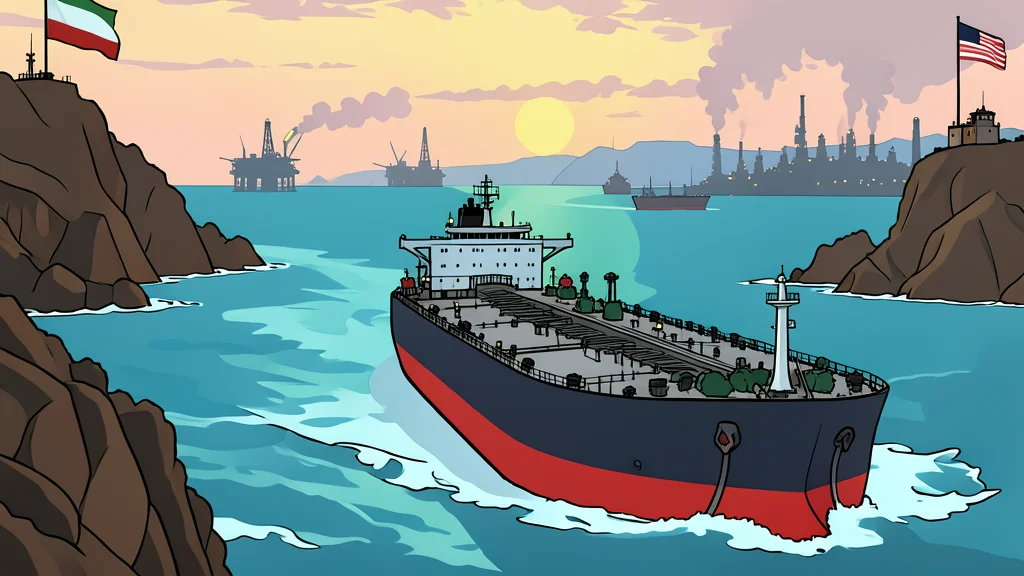
Strait of Hormuz Traffic Drops to Single Digits

Daily commodity vessel transits through the Strait of Hormuz fell to single digits over the weekend. This marks a sharp decline from the standard average of 14 vessels per day.
Daily commodity vessel transits through the Strait of Hormuz fell to single digits over the weekend. This marks a sharp decline from the standard average of 14 vessels per day. Preliminary shiptracking data confirms the drop in maritime activity. The reduction reflects heightened security concerns in the region. Traders monitor these metrics closely for supply chain risks.
Recent Vessel Movements Show Mixed Cargo
Four vessels exited the Gulf during the tracked period. One was a Handysize in ballast. Another was a Handy carrying LPG. A Supramax carried fertilizer. A Suezmax moved loaded with crude oil. Ten vessels entered the strait during the same window. These ships carried diverse cargoes. The specific mix indicates continued but reduced commercial flow. GN markets/commodities notes that volume remains the key indicator of stability.
Security Incidents Disrupt Regional Energy Routes
A vessel was struck by an unknown projectile. Reports confirm the incident occurred amidst rising tensions. Additionally, Saudi Arabia’s East-West oil pipeline shut down temporarily. A drone attack from Iraq caused this disruption. The pipeline is a critical artery for crude transport. Its closure adds pressure to existing supply constraints. Markets reacted to the compounded risk factors. Insurance premiums for the region are likely to adjust.
Market Implications of Reduced Transit Volume
The drop in transit numbers signals operational caution. Shipping companies may reroute cargo to avoid risk. This increases transit times and costs. Energy traders face tighter near-term liquidity. The combination of lower volume and active security threats creates volatility. Investors should track daily shipping data for recovery signals. The situation remains fluid and requires continuous monitoring.