Oil Hits $107 as Hormuz Traffic Crashes
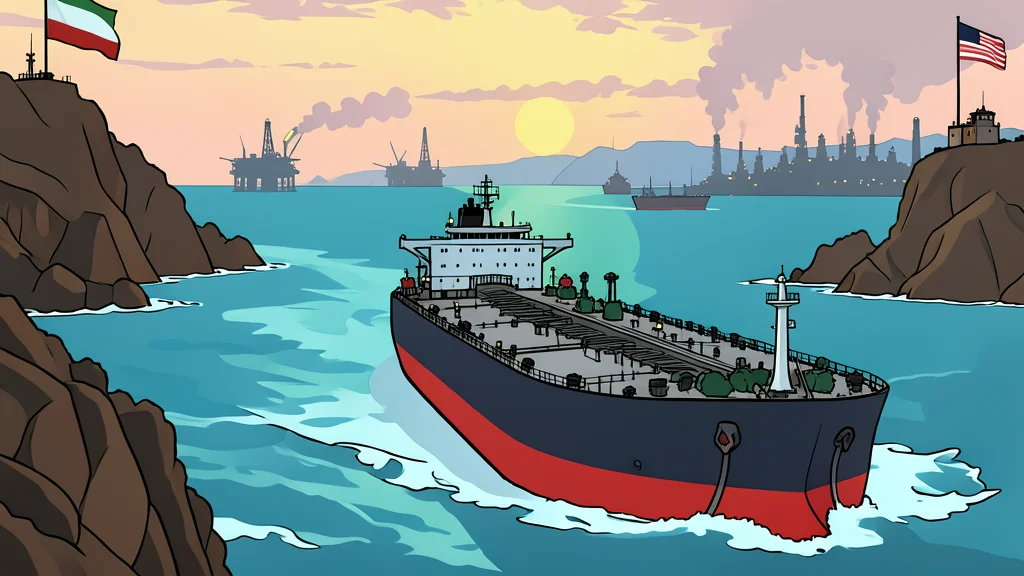
Brent crude rose 2.5% to $107.30 after drone attacks shut a key Saudi pipeline. Strait of Hormuz traffic fell to single digits per day.
Brent crude prices increased by 2.5 percent to reach $107.30 per barrel. WTI crude followed suit, climbing 2.7 percent to $102.70. These gains mark a continued upward trend in global energy costs. The price movement reflects growing concerns over supply chain fragility.
Saudi Arabia shut down its East-West pipeline following drone strikes. This route moves four million barrels daily to bypass the Strait of Hormuz. The closure removed a critical alternative for global oil transport. Markets reacted immediately to the loss of this capacity.
Hormuz traffic drops sharply
Vessel traffic through the Strait of Hormuz fell to single digits over the weekend. The 10-day average stood at 14 vessels. Before recent conflicts, the strait handled 125 large commercial vessels daily. This decline indicates a severe contraction in shipping activity.
The reduction in traffic limits the volume of oil reaching global markets. Traders are monitoring the situation closely for further disruptions. The physical bottleneck adds pressure to already tight supply lines. This dynamic supports higher spot prices for crude oil.
Inflation risks drive bond yields
Ten-year US Treasury yields are near 5 percent. Thirty-year yields briefly exceeded 5.40 percent on Friday. Higher oil prices fuel inflation fears that complicate central bank policy. The bond market is pricing in tighter monetary conditions in response.
Market participants now assign an 87 percent probability to a Fed rate hike. This decision is expected on September 16. Another 25 basis point increase is priced for December. Persistent energy costs make it difficult for policymakers to ignore inflation data.
Fed decision faces pressure
The Federal Reserve faces a challenging decision this week. Higher energy costs sustain inflationary pressures in the economy. Central banks find it harder to dismiss these shocks as temporary. The upcoming policy meeting will likely reflect this restrictive stance.
GN markets/commodities (en-US) reports that the situation reinforces expectations for rate hikes. The combination of supply disruptions and price increases creates a volatile environment. Investors are adjusting their portfolios to reflect these macroeconomic shifts. The focus remains on how long elevated oil prices will persist.