Tanker Rates Surge to 25% of Crude Value Amid Fleet Shortage
Crude transport costs have jumped to 20-25% of contract value, driven by a severe global shortage of supertankers and geopolitical risks.
Key points
- Crude transport costs have risen to 20-25% of contract value from a historical 1-2% due to supertanker shortages.
- Renting a supertanker now costs over $1.2 million per day, adding $52 million to a single shipload from the US to Asia.
- Europe faces a jet fuel deficit of 510,000 bpd in Q4, while US diesel prices have reached $6.4 per gallon.
Global crude transport costs have surged to 20-25 percent of the total contract value. This represents a massive increase from the historical baseline of just 1-2 percent. The spike is driven by an acute shortage of supertankers with two million barrel capacity. Western sanctions have removed significant portions of the fleet from the open market.
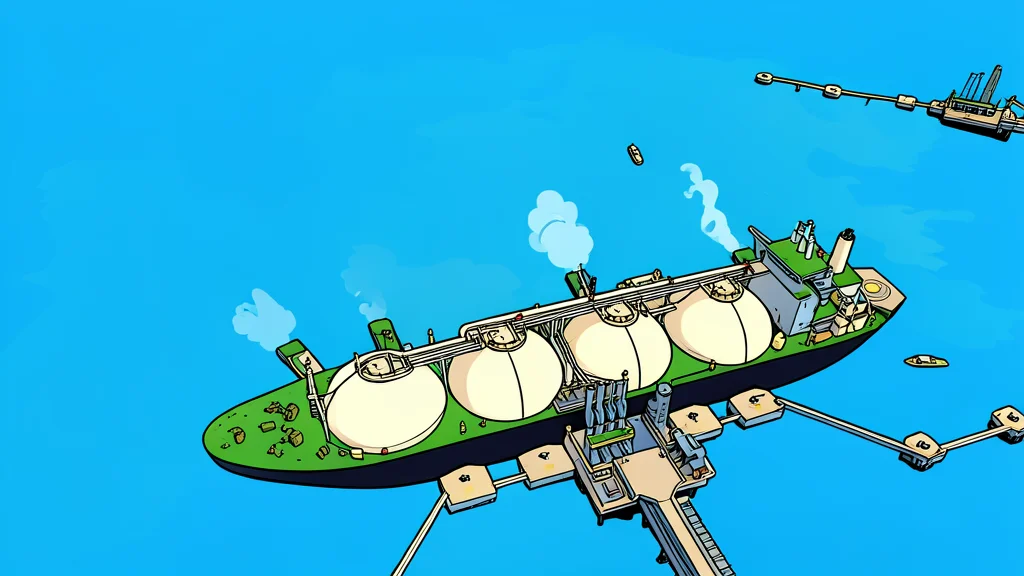
Business Standard reports that renting a single giant oil tanker now costs over $1.2 million per day. This rate is significantly higher than levels seen just months ago. The scarcity has forced shipping lines to charge premium prices for available capacity. Asian refiners are bearing the brunt of these escalating logistics expenses.
Diplomatic shifts ease crude price pressure
Crude oil prices fell to a 1.5-week low following recent diplomatic signals. US President Joe Biden is expected to meet Iranian leadership to discuss tensions. This potential dialogue has reduced fears of immediate military escalation in the region. Markets have reacted by lowering risk premiums embedded in energy contracts.
Oil flows through the Strait of Hormuz reached a six-month high recently. Data indicates approximately 10 million barrels passed through the strait daily. However, independent tracking suggests actual volumes may be closer to 7-8 million barrels. Saudi Arabia has also seen a surge in shipments from its eastern ports.
Fleet scarcity persists despite falling prices
Shipping costs from the US to Asia have risen by $26 per barrel. This adds roughly $52 million to the cost of a single shipload. The total shipping expense now equals 25 percent of the oil price itself. Around 15 percent of the global VLCC fleet is currently off Oman.
Many tankers are tied up in ship-to-ship transfers or rerouted around the Cape of Good Hope. The shipping industry has underinvested in new vessels over the last four years. New ships require two to three years to come online. Therefore, high transit costs will likely persist even if crude prices drop.
Refining bottlenecks drive regional product deficits
Ukraine continues to attack Russian infrastructure, reducing Russia's refining capacity by 50 percent. This has forced Russia to extend its diesel export ban. Consequently, European middle distillate prices have remained elevated. The US sees diesel prices reaching $6.4 per gallon at the pump.
Europe faces a fourth-quarter jet fuel deficit of 510,000 barrels per day. This contrasts with surpluses of 18,000 bpd in the US and 419,000 bpd in Asia. South Korea has emerged as a major source of jet fuel shipments to Europe. Asian refiners are running at high utilization rates to meet global demand.