TotalEnergies Price Cap Costs 300 Million Euros Amid Rival Backlash
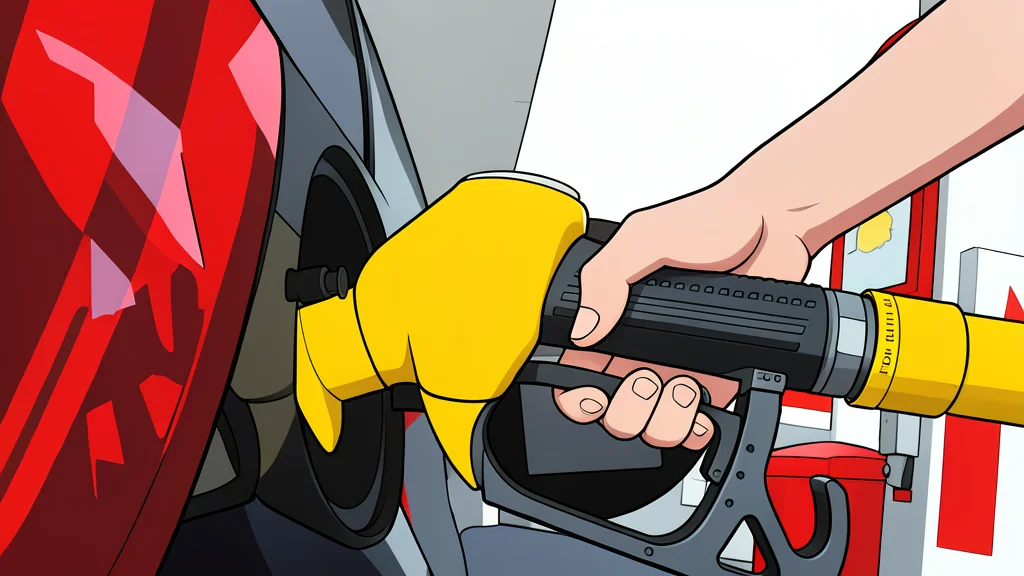
TotalEnergies has incurred 250 million to 300 million euros in costs by capping fuel prices at 1.99 euros per litre.
TotalEnergies has capped the price of E10 gasoline at 1.99 euros per litre in France. The national average for the same fuel stands at approximately 2.15 euros per litre. This price difference has driven heavy traffic to TotalEnergies stations. Competitors accuse the energy giant of distorting the market. They argue the company acts with implicit government support. The cap has been active intermittently for five months. It has cost the company between 250 million and 300 million euros. These figures were reported by GN auto markets/energy: crude oil prices.
The company doubled its first-half profit to 11.2 billion euros this year. Higher crude oil prices boosted its refining margins. The discount strategy was introduced in May under political pressure. Prime Minister Sebastien Lecornu urged the firm to implement a generous price ceiling. This move aimed to prevent a new tax on windfall profits. The discount remains significantly below prices in Paris. There, consumers pay nearly 2.50 euros per litre for gasoline.
Rivals allege unfair competition tactics
Jacques Goisque, head of the FF3C trade association, criticized the move. He represents 1,000 independent service stations in France. Goisque stated that public authorities are satisfied with the private sector acting in their stead. He warned that this reliance has limits. Rivals claim the cap undermines their ability to compete fairly. They argue the government should intervene directly rather than relying on corporate goodwill. The dispute highlights tensions between corporate strategy and state policy.
Political pressure shapes fuel pricing
TotalEnergies CEO Patrick Pouyanné threatened to end the cap if taxes are levied. He stated that no legal obligation forces the company to maintain discounts. The firm will abandon the price ceiling if a special tax is introduced. This stance creates a direct conflict with government objectives. The presidential election is seven months away. Public dissatisfaction with economic conditions is rising. The risk of protest mirrors the 2018 yellow vest movement.
Risk of renewed public unrest
Recent fuel price increases have sparked calls for demonstrations. The 2018 protests began with a tax hike on fuel. They evolved into a broader challenge to economic policy. Low- and middle-income workers faced the highest financial burden. The current situation carries similar risks for the government. Authorities monitor the sector closely to prevent social instability. The balance between corporate profit and consumer relief remains fragile. Any misstep could trigger widespread unrest.