China's 1.4 Billion Barrel Reserve Limits Oil Price Spike
Global crude prices remain elevated but have avoided the projected doubling. This stability is directly attributed to Beijing's massive strategic reserves and reduced import volumes during the conflict.
Oil prices have not doubled despite six months of active conflict. Analysts previously warned that a prolonged war with Iran would double costs. The worst-case scenario has not materialized. The U.S. Energy Information Administration estimates China holds a strategic reserve of 1.4 billion barrels. This stockpile was built over a decade to ensure energy self-reliance.
Beijing cut crude imports significantly after the Strait of Hormuz closure. China is the world's second-largest oil consumer and Iran's top buyer. Reduced demand from China softened price increases for the U.S. and Europe. Rosemary Kelanic of Defense Priorities stated that China is managing global risks to protect its own economy. A rising oil price would damage the global growth that Beijing relies upon.
Strategic reserves buffer global supply shocks
Retired Rear Adm. Mark Montgomery notes China built its reserve in ten years. The U.S. took 25 years after the 1973 crisis to achieve similar capacity. China's shift to electric vehicles also reduced overall fuel consumption. These factors combined to create a buffer against supply disruptions. The current stability is fragile as the geopolitical situation evolves.
New threats are emerging in the Red Sea region. Saudi Arabia temporarily shut a key pipeline due to militia attacks. The Houthis seized two strategic islands in the southern Red Sea. These actions threaten maritime shipping routes. Planned talks to reopen the Strait of Hormuz have been put on hold. The situation remains volatile for global traders.
Diplomatic meetings shape market expectations
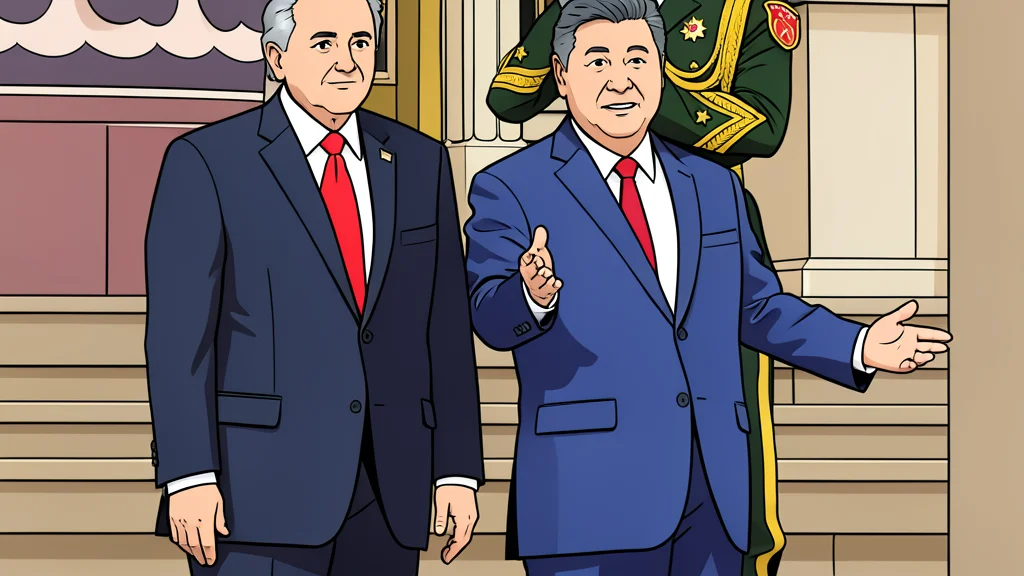
President Xi Jinping is scheduled for a state visit to Washington. President Trump will meet Xi to discuss trade and regional stability. The Republican Party faces pressure from voters over high gasoline prices. Trump has kept public comments on the Iran issue restrained. He seeks to maintain a fragile trade truce with Beijing.
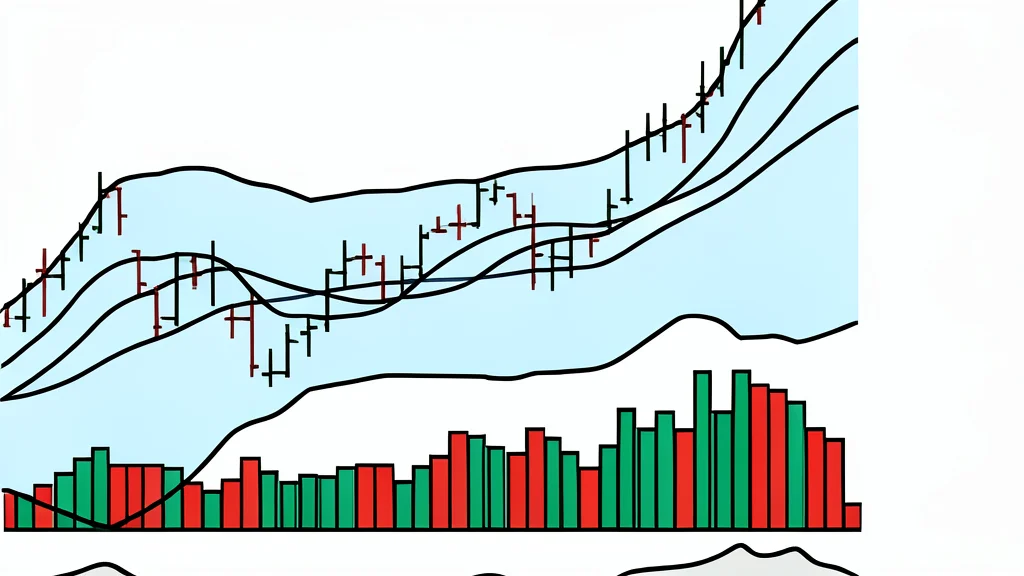
Trump will meet Gulf Cooperation Council leaders in New York. The group includes Saudi Arabia, UAE, Qatar, Oman, Kuwait, and Bahrain. This meeting occurs on the sidelines of the UN General Assembly. Bank of America forecasts oil at $83 a barrel for the second half of the year. This projection assumes persistent disruptions to Hormuz shipping lanes.
Market forecasts reflect ongoing uncertainty
Bank of America analysts expect shipping through the strait to gradually improve. They cite the current $83 per barrel estimate for the latter half of the year. The forecast accounts for more persistent disruptions. The market remains sensitive to geopolitical news. Investors monitor the impact of China's import levels on global demand.
GN auto markets/energy reports indicate crude oil prices remain high. The data shows a deviation from earlier doom scenarios. China's energy strategy is the primary mitigating factor. The country's ability to draw from reserves prevents immediate supply shocks. This dynamic keeps prices from spiking further in the near term.