UK Fuel Costs Hit 50% Spike, Squeezing Business Margins
Global oil prices surged 50% to $108 per barrel, forcing UK businesses to absorb costs or raise prices.
Key points
- Global oil prices rose 50% to $108 per barrel, driven by supply disruptions in the Strait of Hormuz.
- UK retail petrol prices in the West of England range from £1.70 to £2.40 per litre.
- A Bristol blood bike charity expects annual fuel costs to jump from £17,000 to £22,000.
Global crude oil prices have climbed to $108 per barrel, a 50% increase from June levels. This sharp rise pushes retail petrol costs toward the one-pound-per-litre mark in many UK regions.
Businesses in the West of England report severe pressure on daily operating expenses. Owners cite a lack of competitive alternatives as the primary driver of sustained high prices.
Geopolitical conflict drives supply tightening
Disruptions in the Strait of Hormuz have reduced global oil supply significantly. BBC reporting notes that this conflict directly correlates with the current price spike.
Retailers face a binary choice between absorbing higher wholesale costs or passing them to consumers. Many operators choose to reduce their profit margins to maintain customer volume.
Regional price variations widen
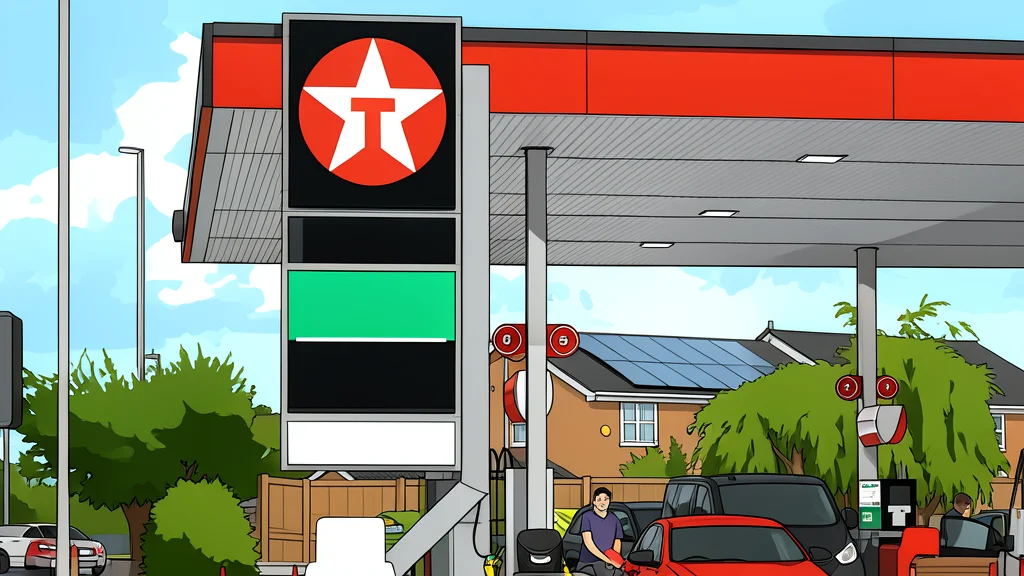
Bristol drivers pay an average of £1.70 per litre for fuel. In Wiltshire, some stations charge up to £2.40, reflecting higher transport and volume costs.
Rural areas experience steeper prices due to limited local competition and logistics overheads. These factors prevent market forces from stabilizing rates in remote locations.
Service sectors absorb rising costs
Taxi operators in Gloucestershire face intense pressure to lower fares to stay competitive. This forces drivers to accept margins that are often unprofitable.
A volunteer blood bike charity expects fuel spending to rise from £17,000 to £22,000. The organization is currently dipping into reserves to cover the additional operational costs.