US Diesel Hits Record High as Export Ban Debate Intensifies
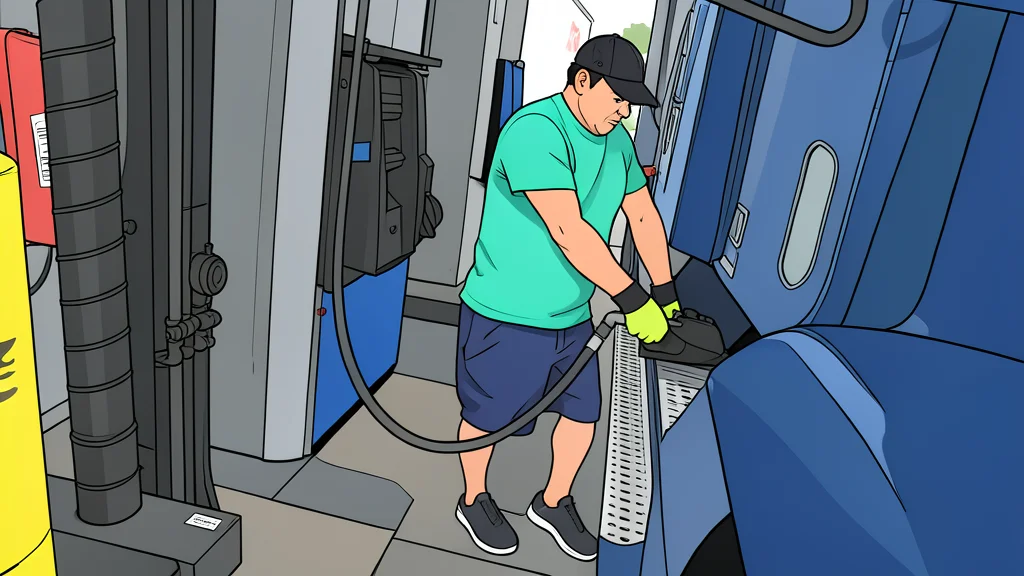
US diesel prices exceed $6.50 per gallon, prompting calls for an export ban that experts warn may backfire on domestic consumers.
Key points
- US diesel prices exceeded $6.50 per gallon, marking the highest level on record and an 83% annual increase.
- Republican lawmakers propose banning diesel exports to allies to lower domestic prices, a move the White House currently rejects.
- Analysts warn that an export ban would likely raise fuel costs on the East and West Coasts while lowering them in the Gulf.
US diesel prices crossed $6.50 per gallon on record highs, sparking urgent political debate. Republican lawmakers now push for an immediate ban on fuel exports to allies.
The White House denies considering such a measure, citing risks to domestic supply. Analysts argue this restriction would likely raise costs in coastal states.
Political pressure drives export ban push
Sen. Chuck Grassley and Rep. Tim Burchett introduced legislation to stop diesel shipments abroad. Louisiana Governor Jeff Landry supports a temporary ninety-day export freeze.
These politicians cite soaring costs for farmers and truckers as their primary motivation. They argue that keeping fuel domestic would stabilize local market prices.
Supply shocks drive record price spikes
Diesel costs have risen eighty-three percent since the start of the year. This trajectory marks the largest annual increase tracked by AAA since 2000.
Middle East conflict and Russian refinery strikes have disrupted global supply chains. Export restrictions from Russia and China further tighten available fuel markets.
Export ban risks regional price divergence
Energy expert Bob McNally warns that banning exports would trap fuel in the Gulf. This would lower prices in Texas but spike costs on the East Coast.
Federal Reserve analyst Garrett Golding notes that global price hikes would boomerang back domestically. Coastal regions relying on imports would face immediate financial penalties.
Interior Secretary Doug Burgum stated he is not confident a ban would lower prices. He cautioned that such a policy could actually hurt American consumers.