US Gas Hits $4.46 as Saudi Pipeline Damage Cuts Supply

US gas averages $4.46 per gallon after a Sept. 10 attack damaged a key Saudi pipeline, removing up to 4% of global oil supply.
Key points
- US regular gasoline averaged $4.46 per gallon on Sept. 18, with diesel exceeding $6.10.
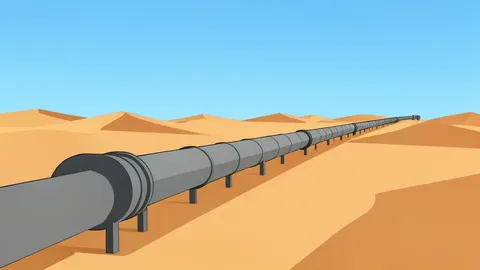
- A Sept. 10 attack damaged Saudi Arabia’s East-West pipeline, risking 2.6 to 4 million barrels daily.
- Brent crude oil rose to $103.77 per barrel as markets reacted to the loss of supply.
The national average for regular gasoline reached $4.46 per gallon on Sept. 18. This spike follows a Sept. 10 attack that damaged Saudi Arabia’s East-West pipeline.
The incident threatens 2.6 to 4 million barrels of daily exports. That volume represents roughly 4% of the total global oil supply according to the IEA.
Pipeline Damage Disrupts Global Oil Flow
The damaged route bypasses the Strait of Hormuz, a critical chokepoint for petroleum. Rystad Energy notes that this loss effectively removes a major buffer from the market.
Saudi inventories may support short-term exports, but analysts warn this capacity is finite. The market is already pricing in a significant and immediate loss of supply.
Crude Prices Drive Pump Costs Higher
Brent crude oil trades at $103.77 per barrel, reflecting the supply shock. Higher crude costs directly translate into expensive gasoline for drivers across the United States.
Diesel prices have also exceeded $6.10 per gallon, raising freight costs. These increases eventually filter into the prices of groceries and other daily goods.
Supply Constraints Shape Current Market Reality
Geopolitical tensions in the Middle East remain the primary driver of volatility. The convergence of these factors creates sustained pressure on energy markets.
Reporters at getuperica.com highlight how these structural issues impact American consumers. The situation underscores the fragility of global energy logistics.