US Gasoline Averages Exceed $4 as Reserves Deplete
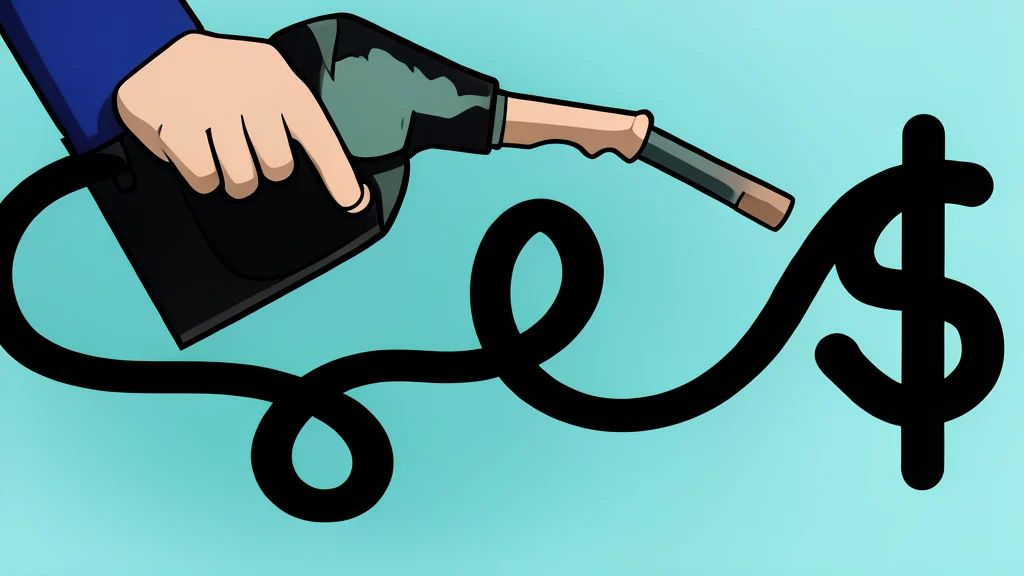
The national average price for a gallon of gasoline has surged past the $4 threshold. Oil executives warn that further increases are likely as strategic reserves dwindle.
The national average price for a gallon of gasoline has surged past the $4 threshold. Oil executives warn that further increases are likely as strategic reserves dwindle. This upward trend contradicts repeated assurances from right-wing media figures who predicted a rapid decline. Those predictions have not materialized despite the passage of multiple deadlines they set.
According to the Wall Street Journal, commercial fuel stocks and strategic reserves that previously served as a buffer have been depleted. This depletion occurred following the conflict with Iran. The market now lacks the cushion that typically stabilizes prices during supply shocks. Consequently, the path to lower prices remains uncertain and potentially prolonged.
Media Predictions Fail to Materialize
Fox News host Jesse Watters stated in March that oil prices would drop to the $60 range within weeks. He argued that this drop would occur before Memorial Day to benefit the administration politically. Charles Payne of Fox Business made similar claims, predicting prices would fall well under $3.50 by the election. He later lowered his target to $2.50 per gallon by year-end.
Newsmax host Carl Higbie asked viewers to tolerate an extra $10 to $20 per tank for a few weeks. He claimed this temporary pain would end as the administration resolved the situation. Podcaster Dave Rubin suggested prices would decline by July 4. These specific timelines have all passed without the promised price reductions occurring.
Strategic Reserves Face Depletion
The depletion of commercial fuel stocks removes a key market stabilizer. Strategic reserves, which act as a buffer against supply shocks, are also being drawn down. This structural change in the energy market increases volatility. Analysts indicate that without these buffers, price spikes are more likely to persist.
Political Risks Rise for Midterms
Right-wing media acknowledged that soaring gas prices posed a threat to midterm election prospects. They framed the high prices as a temporary inconvenience tied to military operations. The assumption was that a quick resolution would allow prices to drop before the fall elections. The continued rise in costs undermines this political strategy.
The gap between media promises and market reality is widening. Consumers face higher costs at the pump without the anticipated relief. The depletion of reserves suggests that the current price level may not be a temporary blip. This development complicates the political narrative that high energy costs are short-term and manageable.