Oil Prices Rise $30 per Barrel Since August Amid Supply Losses
Brent crude settled at $102.72 per barrel Thursday. Analysts project continued price increases due to persistent regional supply disruptions and refining bottlenecks.
Brent crude ended trading at $102.72 per barrel on Thursday. This level reflects a cumulative increase of approximately $30 per barrel since early August. WTI crude declined to $100.47 per barrel during the same session. These figures mark a significant deviation from typical seasonal patterns. Market participants are pricing in sustained scarcity across multiple product categories.
Matt Smith of Kpler attributes the price pressure to ongoing supply disruptions in the Middle East. The firm estimates that the current conflict has resulted in the loss of 8.5 million barrels per day of oil production. Refinery utilization rates have also dropped sharply. This reduction in refining activity restricts the output of gasoline and diesel from the remaining crude supply. Smith noted that the diesel market faces the most acute shortage.
Refining bottlenecks restrict diesel availability
The Middle East typically exports three million barrels per day of refined products. This volume is currently constrained by operational limits. Russia, the second-largest global diesel exporter, is also reducing output. Ukrainian drone strikes have damaged Russian refinery infrastructure. Additionally, Moscow has implemented restrictions on fuel exports. These concurrent factors limit global supply flexibility.
Chinese refining capacity remains underutilized for export purposes. Producers in China have scaled back operations as crude prices exceeded $100 per barrel. Domestic demand takes precedence in their operational strategy. Product exports from the region have increased only marginally. U.S. diesel prices have already surpassed $6 per gallon. This cost increase impacts logistics, agriculture, and manufacturing sectors.
Shipping lanes face severe congestion
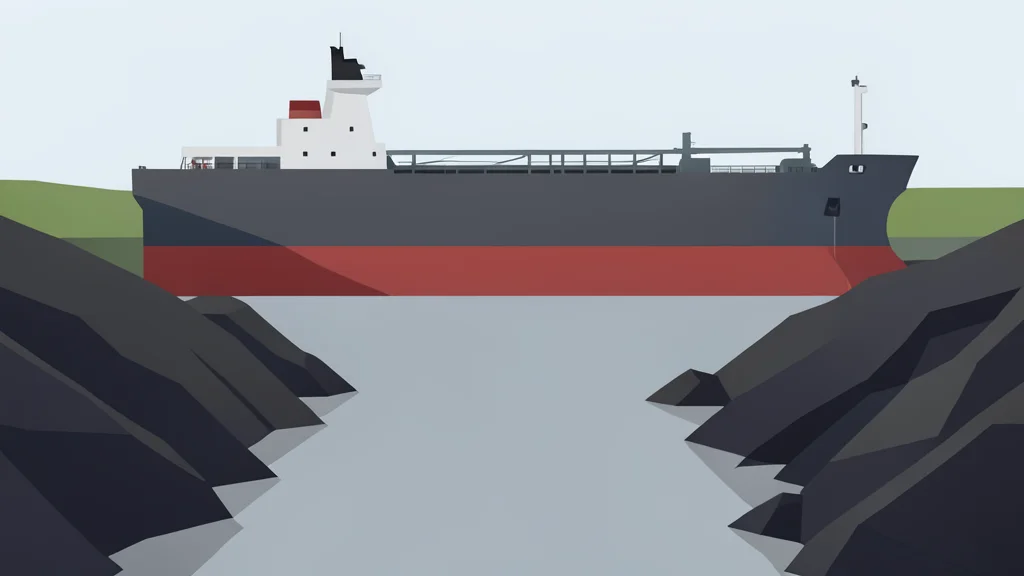
Ship-tracking data indicates a sharp decline in vessel traffic through the Strait of Hormuz. Only three commercial vessels transited the strait on Wednesday. This figure compares to twelve vessels on Tuesday. The ten-day average for the period was seventeen vessels. Saudi Arabia has adjusted its logistics to mitigate pipeline damage. The country has increased loadings within the Persian Gulf. Some barrels are now routed through Hormuz despite the traffic constraints.
The East-West pipeline remains damaged, affecting Saudi export volumes. Smith estimates a potential loss of 100 million to 120 million barrels if the outage lasts a month. These barrels cannot be exported through the Yanbu terminal. Alternative routing options are limited. The global market is absorbing these shocks through higher prices. No immediate de-escalation is priced into current futures contracts.
Market outlook remains bearish
Kpler expects crude prices to continue rising without geopolitical resolution. The diesel market lacks sufficient alternative supply sources. Smith stated that the diesel shortage does not resolve quickly. The combination of lost production and reduced refining creates a structural deficit. Price discovery will remain volatile in the near term. Traders are positioning for sustained high prices across the energy complex.