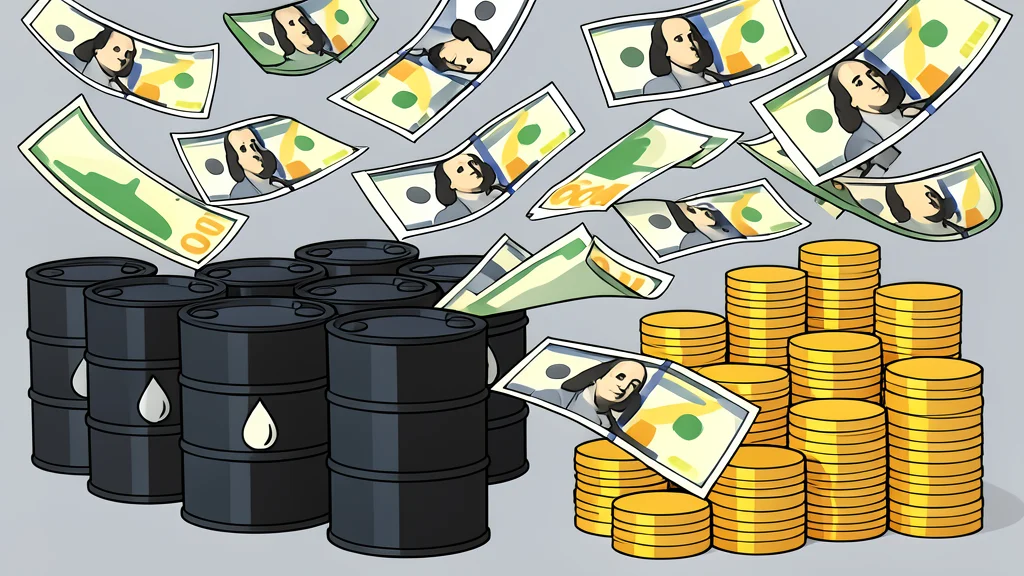
US Households Pay $805 in Extra Fuel Costs After Iran Conflict

Average gasoline prices topped $4 per gallon during Labor Day. Diesel reached a record high of $6 per gallon last week.
American households have incurred more than $100 billion in additional fuel expenses since the start of the conflict. The average US family has spent over $805 more on gasoline and diesel than they would have otherwise. California residents have paid an extra $372 per household on average. These figures come from analysis by Brown University.
The economic impact has spread across the national economy. Farmers and businesses report higher operating and transport costs. The disruption stems from military actions that began on February 28. The conflict has now lasted nearly 200 days. Price spikes have become the norm rather than the exception.
Record high fuel prices hit consumers
Gasoline prices exceeded four dollars per gallon during the recent Labor Day holiday. This marks the most expensive holiday in recorded history. Diesel fuel prices hit six dollars per gallon last week. This is the first time diesel has reached this level. Data from AAA confirms these price increases. The cost pressure is visible at every pump nationwide.
The price surge correlates with disruptions in the Strait of Hormuz. Analysts warned of this risk prior to the military campaign. The administration did not appear to have a mitigation plan. Supply chains have absorbed the shock. End-consumer prices reflect the immediate financial burden.
Officials admit lack of preparation
Energy Secretary Chris Wright testified before Congress on April 15. He stated he advised the President from the day he took office. Reports indicate the national security team underestimated Iran's response. Officials acknowledged they did not plan for a strait closure. This admission contradicts earlier claims of thorough preparation. The gap between warning and action is now under scrutiny.
Governor Gavin Newsom is demanding transparency from the administration. He questions the specific advice given to the President. He seeks details on the Department of Energy's pre-strike analysis. The core issue is the failure to protect the economy. The administration lacks a clear explanation for the oversight.
Political pressure intensifies over energy policy
The administration faces growing criticism for its handling of the energy sector. The conflict has exposed vulnerabilities in the supply chain. Political figures are pushing for a full accounting. The focus is on the decision-making process. The public is left to bear the financial consequences.
The situation highlights the direct link between geopolitical events and domestic prices. The lack of a viable plan has resulted in significant economic damage. The debate continues over the responsibility for the price spikes. The financial toll is now a central political issue. The source material notes the severity of the situation in the GN auto markets/energy: gasoline prices report.