Atmos Energy Leads Utility Sector as Rates Stay High
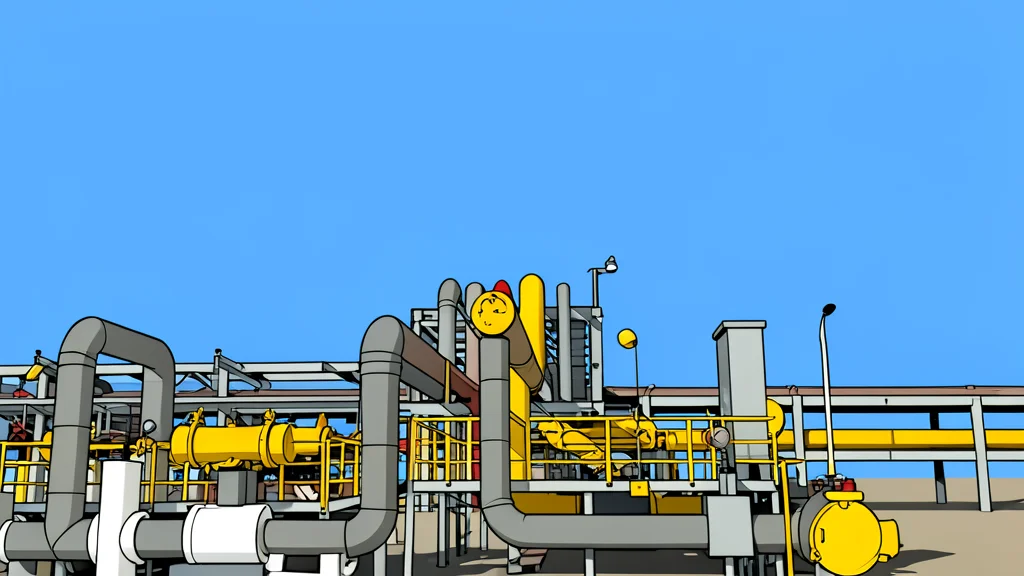
Atmos Energy's market capitalization stands at US$27.4 billion. The firm benefits from Texas legislation that expands deferred regulatory asset treatment.
Atmos Energy leads a group of three U.S. utilities positioned for a high-rate environment. The company holds a US$27.4 billion market capitalization. It serves customers across eight states. The firm generates US$4.6 billion from distribution and US$1.2 billion from pipeline and storage.
Texas House Bill 4384 changes the regulatory landscape for these firms. The bill expands deferred regulatory asset treatment to 80% of capital spending. Previously, this figure stood at 45%. This shift allows for faster rate recovery on a larger portion of investments. Such mechanics directly support higher earnings growth and improved net margins.
ONE Gas targets pure-play exposure
ONE Gas serves 2.3 million customers in Oklahoma, Kansas, and Texas. The utility carries a US$4.8 billion market capitalization. It generates US$2.3 billion from regulated public utilities. This single-segment model provides direct exposure to inflation-linked clauses.
Regulatory developments in Texas reduce lag for ONE Gas. The company anticipates full recovery of capital expenditures. This structure drives higher earnings and predictable margins. Funding and rate-setting pressures remain the primary swing factors for future returns.
American Water Works drives infrastructure spend
American Water Works Company serves 3.6 million customers across 14 states. Its market capitalization is US$27.5 billion. The firm generates US$4.9 billion from regulated businesses. It reports an additional US$409 million from other activities.
The company plans US$3.3 billion in capital spending for 2025. Heightened focus on water quality accelerates rate case approvals. These regulatory decisions adjust customer bills for rising costs. The infrastructure modernization cycle supports long-term revenue stability.
Regulatory shifts support earnings growth
Investors are reassessing asset classes as money remains expensive. Stories of pressured profit margins sit alongside worries about weaker consumer demand. GN markets/inflation (en-US) notes that regulated infrastructure offers a defensive posture. The combination of sticky inflation and a hesitant Federal Reserve favors these models.
These three companies represent a starter sample of the sector. A broader screen identified 15 additional U.S. inflation-linked firms. The core thesis relies on state-approved returns and cost recovery. High interest rates continue to shape the valuation of these regulated assets.