Fed Rate Hike Creates Mixed Signals for Insurance Stocks

The Federal Reserve raised rates by 25 basis points. This move improves new bond income for insurers but reduces the value of existing bond holdings.
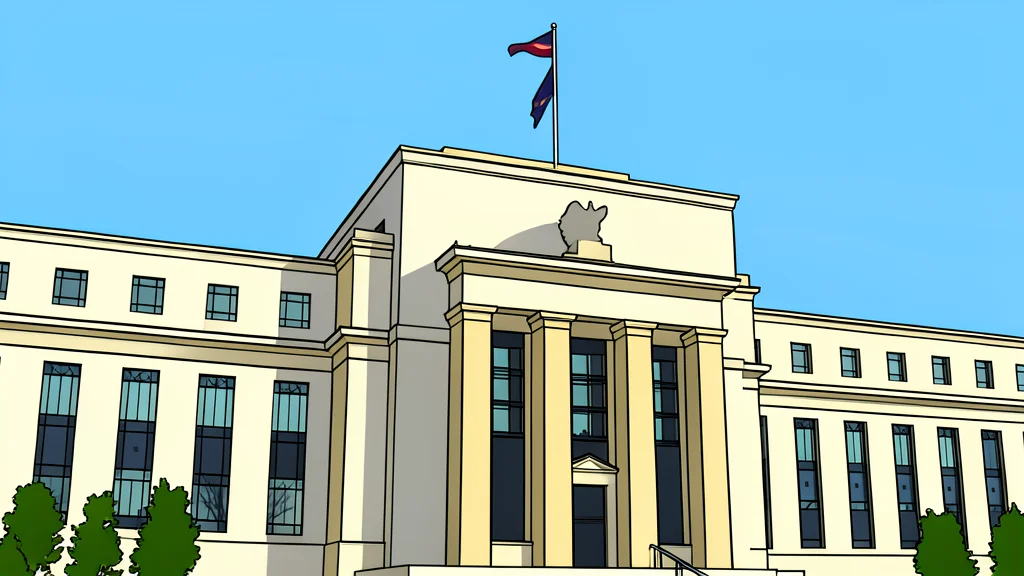
The Federal Reserve increased interest rates by 25 basis points at its latest meeting. This decision directly impacts the balance sheets of major insurance carriers. Kevin Warsh led the policy change despite reduced guidance to investors. The market had already priced in this hike before the announcement. For insurance companies, the effect is two-sided. New capital can be deployed into higher-yielding securities. However, the market value of existing bond portfolios declines as rates rise.
Insurers hold significant cash reserves known as float. They invest this capital to generate returns while waiting for claims. The composition of these portfolios varies by company. Some focus heavily on fixed income, while others hold equities. The recent rate hike creates a divergence in how these firms are affected. Bond-heavy insurers see immediate mark-to-market losses. Equity-heavy insurers face potential capital outflows from stock markets.
Bond-heavy insurers face valuation pressure
Progressive Corp holds approximately 95% of its $97 billion portfolio in bonds. This structure exposes the firm to interest rate sensitivity. Bond prices move inversely to yields. As the Fed hikes, the book value of Progressive’s assets decreases. This reduction in asset value can pressure stock prices. However, future premiums can be invested at higher rates. This increases the income stream from the portfolio.
The company’s profitability metrics show recent stress. The combined ratio worsened by 1.1 percentage points year over year in Q2 2026. In June alone, the ratio deteriorated by 3.4 percentage points. These figures indicate rising costs relative to premiums. Inflationary pressures contribute to these cost increases. The company remains profitable, but the trend is negative. Investors are watching these ratios closely.
Equity exposure adds market risk
Berkshire Hathaway allocates a larger share of its float to stocks. Only about 5% of its portfolio is in bonds. This strategy reduces direct exposure to bond price declines. However, rising yields can hurt equity valuations. Investors may shift capital from stocks to bonds for better returns. This rotation can depress stock prices. Berkshire’s equity-heavy portfolio is thus exposed to market volatility.
Cincinnati Financial holds around 40% of its portfolio in equities. This exposure makes it sensitive to broad market movements. A recession triggered by aggressive rate hikes could lower stock values. Bear markets often accompany economic slowdowns. This would reduce the book value of equity-heavy insurers. The risk is a simultaneous drop in asset values. The Fed’s actions aim to cool inflation but may slow growth.
Inflation drives cost pressures
The Fed’s rate hikes are a response to high inflation. Inflation increases the costs for insurance companies. Repair costs and medical expenses rise with general price levels. This squeezes margins. Progressive’s recent data reflects this dynamic. The combined ratio deterioration signals tighter profitability. The company must raise premiums to maintain margins. Competitive dynamics may limit the ability to pass on costs. The interplay between yields and costs is complex.
GN auto markets and bonds data shows yields rising. This trend benefits new bond investments. It hurts the value of existing holdings. For bond-heavy firms, the net effect depends on the mix of assets. For equity-heavy firms, the risk is tied to market sentiment. Investors should monitor the combined ratio and portfolio composition. The direction of Fed policy remains the key variable. Rate cuts could reverse some of these effects.