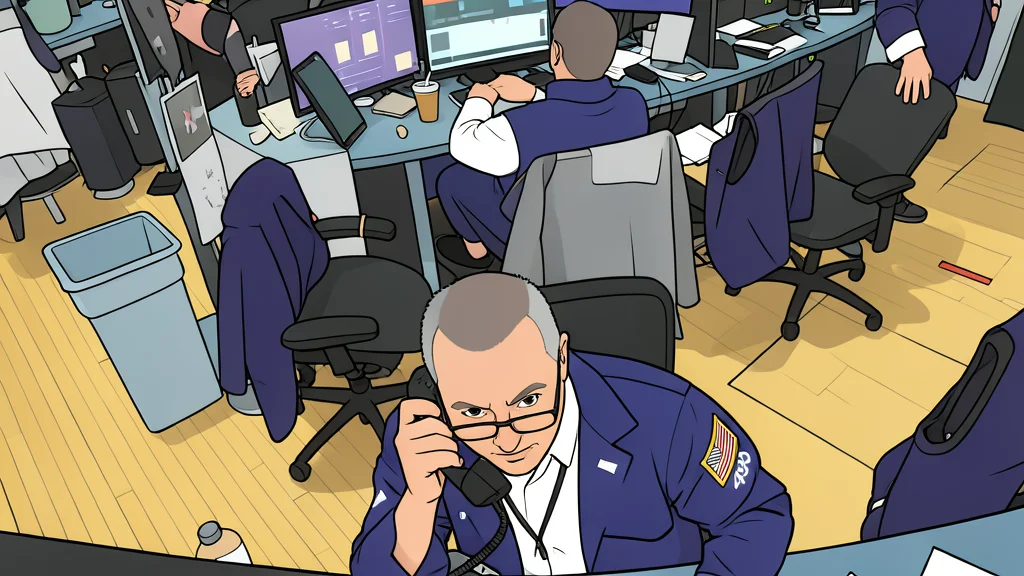
US Stocks Hold Steady After Fed Rate Hike and Oil Price Drop

The S&P 500 rose 0.3% as Brent crude fell 2.9% to $105.63, offsetting the Federal Reserve's first rate increase in three years.
The S&P 500 rose 0.3% on Wednesday. The index is on track for its second gain in the last eight days. The Dow Jones Industrial Average fell 13 points. That is a decline of less than 0.1%. The Nasdaq composite increased by 0.7%. Markets remained stable following the Federal Reserve announcement. The Fed raised interest rates for the first time in three years.
Investors generally prefer lower rates. Higher rates slow economic growth. They also lower stock prices. However, persistent inflation has changed the outlook. The goal is to bring inflation back to 2%. Short-term pain is viewed as necessary for long-term stability. Oil prices provided a buffer for equities. The bond market also eased its pressure on stocks.
Oil Prices Ease Market Pressure
Brent crude, the international standard, fell 2.9%. The price reached $105.63 per barrel. It had touched nearly $110 early in the week. War with Iran raised fears of supply disruptions. This volatility affected the bond market significantly. The yield on the 10-year Treasury dropped to 4.95%. It was 5.00% late Tuesday. This was the first time since 2023 that the yield topped 5%.
The 10-year yield dictates mortgage and loan rates. A drop to 4.95% reduces borrowing costs slightly. Brent oil remains well above pre-war levels. It was $72 before the conflict with Iran. At that time, the 10-year yield was 3.97%. High oil prices contributed to the Fed's decision to hike. The central bank had paused after cutting rates in 2024 and 2025.
Fed Projects Further Rate Increases
The median Fed official expects the federal funds rate to end this year at 4.1%. The current range is 3.75% to 4.00%. Three months ago, the median forecast was 3.80%. Officials indicate at least one more rate increase is likely. Strong retail spending data may have emboldened the Fed. Shoppers spent more than economists expected last month. This suggests the economy can withstand higher interest rates.
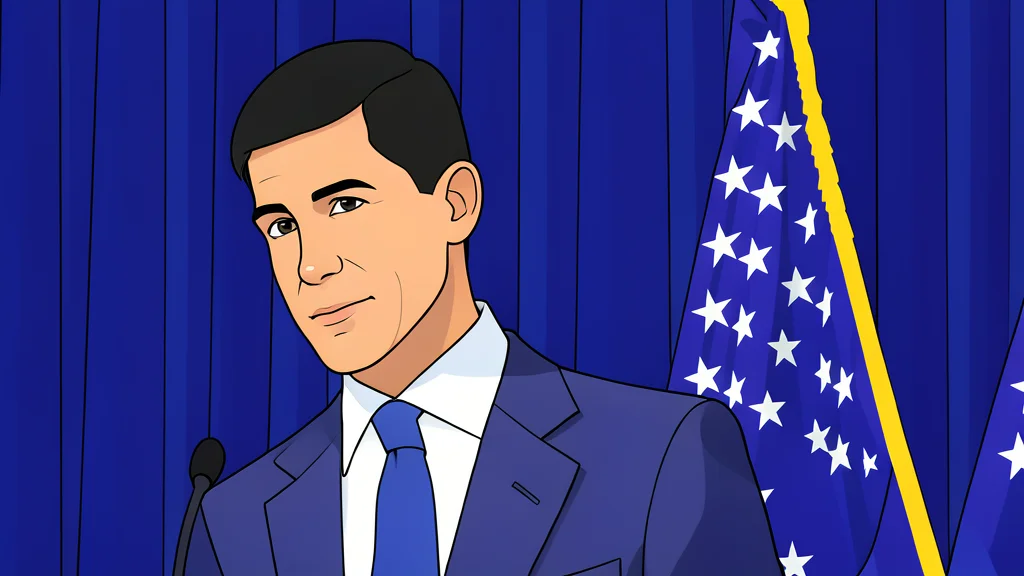
Fed Chairman Kevin Warsh stated the economy is strengthening. He cited solid hiring trends and corporate profits. He noted business investments are robust. Warsh said inflation is too high and has persisted too long. The decision reflects a priority on price stability. The central bank aims to anchor long-term expectations. This approach seeks to prevent inflation from becoming entrenched.
Sector Performance and Global Markets
Artificial intelligence stocks held steady after a weekly slide. Industry leaders called for a slowdown to address safety. Nvidia rose 1.6%. Advanced Micro Devices climbed 3.00%. These gains offset losses in other sectors. J.B. Hunt Transport Services dropped 12.4%. Its CFO warned of higher costs. It expects earnings to fall 5% to 10% from the second to the third quarter.
European and Asian indexes rose broadly. South Korea’s Kospi climbed 1.4%. This was one of the world's biggest gains. The European Central Bank hiked rates last week. Inflation remains a global challenge. According to GN markets/policy (en-US), the coordinated response highlights the severity of the issue. Markets are adjusting to a new regime of higher rates. Volatility may persist as investors digest the Fed's forward guidance.