India Rejects BRICS Currency Proposal
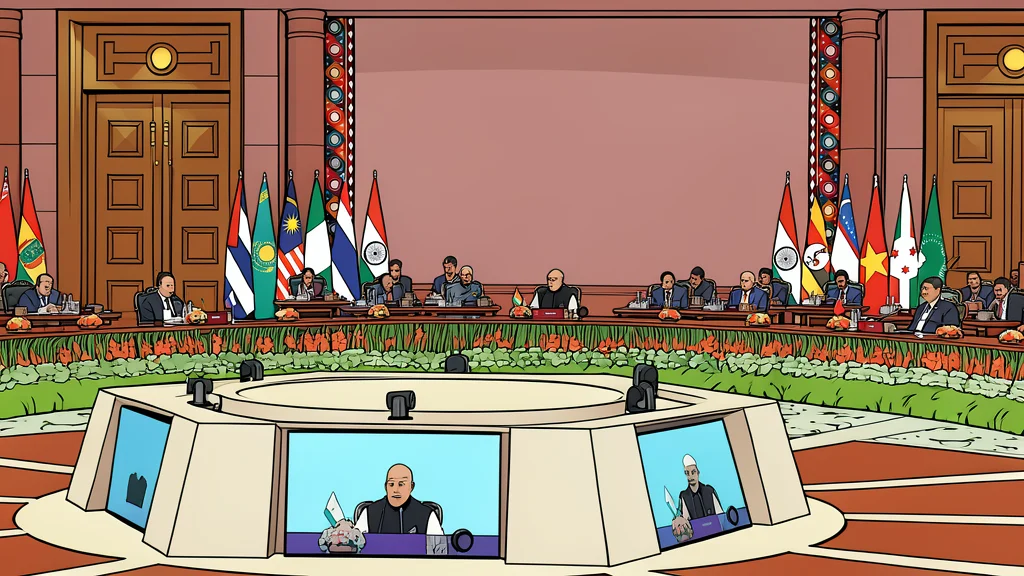
India states there is no plan for a shared BRICS currency, focusing instead on local settlement.
India confirmed on Saturday that no proposal exists to create a unified BRICS currency. The Ministry of External Affairs clarified that the bloc is not seeking a common monetary unit. This statement follows the conclusion of the BRICS Leaders’ Summit.
Officials emphasized that the focus remains on expanding trade in local currencies. The goal is to reduce transaction costs in bilateral exchanges. India rejected the idea of a central bank digital currency for a shared payment system.
Official Denial of New Currency
MEA Secretary Sudhakar Dalela stated there is no proposal for a BRICS currency as of now. He addressed the global debate on de-dollarisation directly. The government denied reports of a new monetary unit for the group.
The clarification came amid discussions on alternatives to the dollar. Geopolitical tensions and sanctions risks drive these conversations. India maintains that the current system is not being replaced by a single currency.
Local Settlement Reduces Costs
Dalela described local currency settlement as a practical mechanism. It helps reduce transaction costs in bilateral trade. It provides an additional option for cross-border payments. This approach allows businesses to use national currencies directly.
BRICS leaders agreed that local settlement is a viable path. It aims to deepen engagement with the global business community. The strategy focuses on efficiency rather than monetary unification. This aligns with broader goals to strengthen trade flows.
No Digital Currency Plans
Sources confirmed there are no plans for a BRICS CBDC. The group is not building a shared digital payment ecosystem. Instead, members examine ways to increase national currency use. This includes bilateral and multilateral trade settlements.
Discussions on local trade are not new. Member countries work to make payment mechanisms more efficient. Greater use of local currencies creates broader opportunities. According to GN markets/fx (en-US), this supports global payment systems without a single currency.