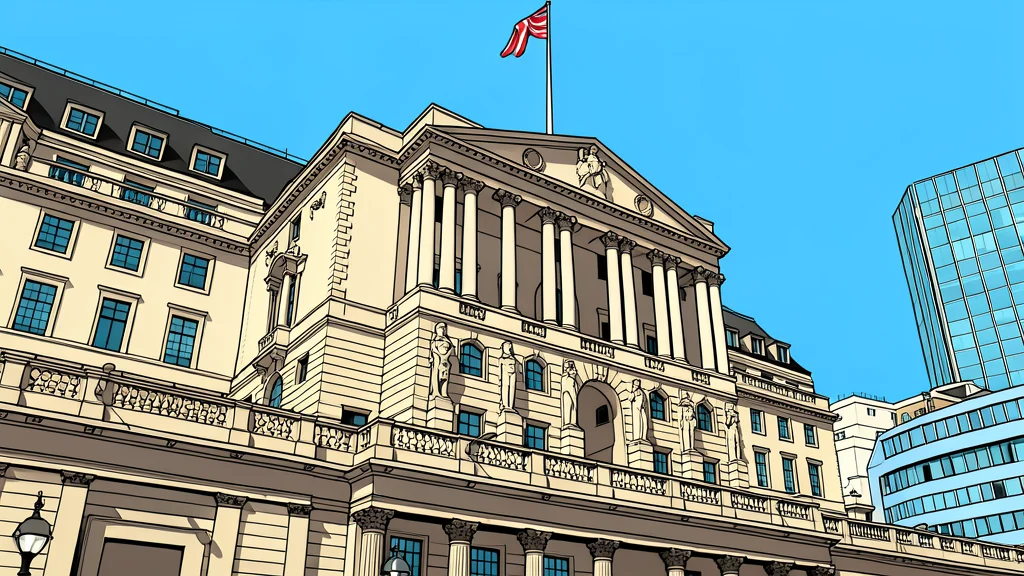
30-Year Refi Rates Hold at 7.132% Despite Fed Actions

The average 30-year fixed refinance rate stands at 7.132%. Homeowners face persistent costs as geopolitical tensions and Federal Reserve policy keep borrowing expenses elevated.
The average refinance rate for a 30-year fixed home loan is 7.132%. This figure reflects data from the Mortgage Research Center as of September 17. The rate remains well above the 2% to 3% levels seen during the pandemic era. Eighty-two point eight percent of current mortgage holders have rates below 6%. Most homeowners are locked into their existing loans. They are unwilling or unable to refinance at current levels.
Market expectations for lower rates have not materialized fully. The Federal Reserve cut its benchmark rate three times in late 2025. These cuts followed a period of stubbornly high mortgage costs. Rates dropped slightly ahead of the September 2025 meeting. A second cut occurred in October 2025. A third cut followed in December 2025. However, the trend reversed in early 2026. The Federal Reserve raised the federal funds rate in September 2026. This decision signals that further relief for borrowers is unlikely in the near term.
Geopolitical Tensions Drive Costs Higher
Mortgage rates ticked upward in March 2026. This rise coincided with the launch of Operation Epic Fury in Iran. Gas prices spiked during this period. General economic uncertainty increased. A ceasefire announcement in June 2026 briefly lowered rates. The truce collapsed in July 2026. Rates rose again as the agreement fell apart. The market remains sensitive to geopolitical developments. Any escalation in conflict continues to pressure borrowing costs.
The Federal Reserve’s September 2026 rate hike complicates the outlook. This action contrasts with the cuts made in late 2025. Policy shifts directly influence mortgage pricing. Homebuyers and refinance applicants face a challenging environment. The central bank’s stance prioritizes economic stability over rapid rate reduction. Borrowers should expect sustained elevated rates. Strategic planning is required for those seeking new financing.
Refinancing Requires Significant Rate Drops
Refinancing a home loan involves upfront costs. These expenses must be weighed against potential savings. Experts suggest a full percentage point reduction is necessary. For example, moving from a 7% rate to a 6% rate is often worth it. Smaller reductions may not offset closing costs. Homeowners should calculate their break-even point. This calculation determines the time needed to recoup initial expenses. A refinance may also be strategic for tapping home equity.
Borrower Criteria Remain Strict
Applying for a refinance requires meeting lender criteria. Lenders assess credit profiles and proof of income. The debt-to-income ratio is a key metric. A hard inquiry is placed on the credit report. This action can cause a temporary drop in the credit score. There is a risk of denial if requirements are not met. The process mirrors the original mortgage application. Homeowners must prepare their financial documents carefully. Approval is not guaranteed even with favorable market rates.