Mortgage Rates Rise Across All Major Loan Types

The average 30-year fixed rate climbed to 7.065%, marking a daily increase. The 15-year rate also moved higher to 6.320%.
The average interest rate for a 30-year fixed-rate conforming mortgage rose to 7.065%. This represents a slight increase from the previous day's figure. The 15-year fixed-rate conforming mortgage rate also climbed. It reached 6.320%, up from the prior session. These figures reflect the current market conditions for the most common loan products in the United States.
Borrowers face higher total costs due to these rate adjustments. A $300,000 loan at the 30-year rate carries an estimated interest cost of $423,248.51. The same loan amount at the 15-year rate costs approximately $165,070.57 in interest. These calculations use the federal government's mortgage calculator. The data is sourced from the Mortgage Research Center.
Jumbo and government loan rates
Larger loans and government-backed options also saw increases. The average 30-year jumbo mortgage rate stood at 7.244%. This is an increase from 7.184% the day before. Jumbo loans exceed the standard conforming limits set by regulators. The 30-year FHA mortgage rate rose to 6.502%. The 30-year VA mortgage rate increased to 6.600%. The 30-year USDA mortgage rate climbed to 6.563%. All these figures show a consistent upward trend across sectors.
Government-backed loans often provide lower down payment requirements. FHA, VA, and USDA loans serve specific borrower groups. Despite their distinct eligibility criteria, their rates moved in the same direction. The market data indicates broad pressure on pricing. Lenders adjusted their offerings in response to recent macroeconomic signals. The uniform rise suggests a systematic shift in funding costs.
Federal Reserve policy impact
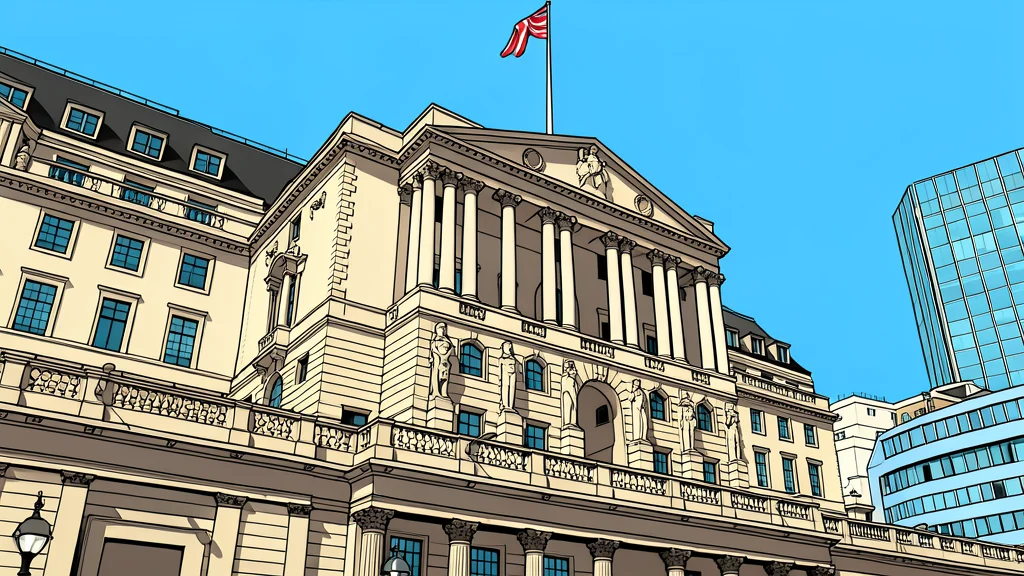
The Federal Reserve recently adjusted its monetary policy stance. The central bank raised the federal funds rate target range. It moved from 3.50% to 3.75% up to 3.75% to 4.00%. This decision occurred during the September 15-16 meeting. The Fed does not set mortgage rates directly. However, banks often pass on higher borrowing costs to consumers. This transmission mechanism explains the recent mortgage rate hikes.
Banks borrow from each other at the federal funds rate. When this benchmark rises, their cost of capital increases. They adjust consumer loan rates to maintain margins. This linkage drives the correlation between central bank actions and mortgage pricing. The recent rate hike provides context for the daily increases observed. Market participants expect this trend to persist as long as the Fed maintains a hawkish posture.
Market data source details
The figures cited come from the Mortgage Research Center. This organization tracks daily mortgage rate averages. The data reflects the national average for conforming loans. It excludes regional variations that may affect local pricing. The source provides a standardized benchmark for comparison. This allows borrowers to gauge their position relative to the national average. The data is updated regularly to reflect market changes.