Central Visayas Housing Developers Cite Rising Costs and Delays
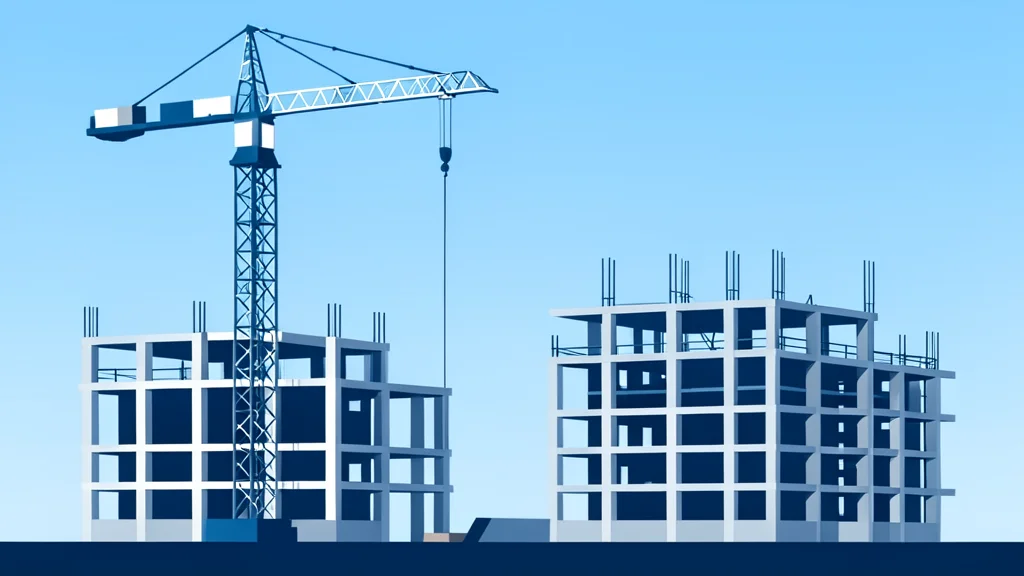
Construction costs and regulatory delays are squeezing housing supply in Central Visayas. Developers warn that utility gaps and tax reforms threaten affordability.
Housing developers in Central Visayas report that rising construction costs and regulatory delays are compressing profit margins. The Subdivision and Housing Developers Association–Central Visayas (SHDA-CV) states that these factors directly increase the final price of homes. This trend conflicts with the goal of keeping housing affordable for local families. The sector faces a complex web of interconnected economic and administrative barriers.
Ken Salimbangon, president of SHDA-CV, noted that while urban growth continues, development has become more difficult. He cited rising input costs for fuel, materials, and labor as primary drivers of price increases. Financing constraints and compliance requirements further add to the total cost of development. These pressures make it harder to deliver sustainable housing units at viable prices.
Regulatory delays increase project costs
Developers emphasize that time is a direct financial cost. Prolonged approval processes for permits and licenses tie up capital and extend project timelines. Salimbangon stated that delayed approvals inevitably raise the overall development cost. He called for faster and more predictable government procedures to reduce this burden.
The association supports clear and predictable regulation but seeks efficiency in implementation. They argue that good regulation and faster housing delivery are not opposing objectives. The industry requests that government procedures be responsive and streamlined. This approach would allow developers to maintain project viability while meeting consumer protection standards.
Utility gaps constrain urban expansion
Access to water and electricity is becoming a critical factor in site selection. Developers now assess whether an area has sufficient utilities to support new communities before purchasing land. In rapidly growing cities, water availability is already a limiting factor for development. This constraint restricts the geographic expansion of housing projects.
The lack of basic infrastructure can hinder urban growth. Policies addressing one sector may have unintended consequences elsewhere in the housing value chain. Salimbangon stressed the need for responsible urban planning that protects resources for future generations. He highlighted the necessity of reliable water, power, and road infrastructure to sustain development.
Tax reforms impact housing affordability
The implementation of the Real Property Valuation and Assessment Reform Act is a key concern. This law aims to establish uniform property valuation standards. Developers warn that increased tax burdens can raise development costs and home prices. They argue for a balance between fair government revenue and industry viability.
According to GN auto markets/housing: housing prices, the sector urges policymakers to consider the impact on end-buyers. Salimbangon stated that the objective should be finding the right balance in taxation. This approach would prevent cost increases from being passed directly to Filipino families. The industry seeks policies that support sustainable housing production without compromising affordability.