Clark County Records Show 43% of Homes Are Not Owner-Occupied
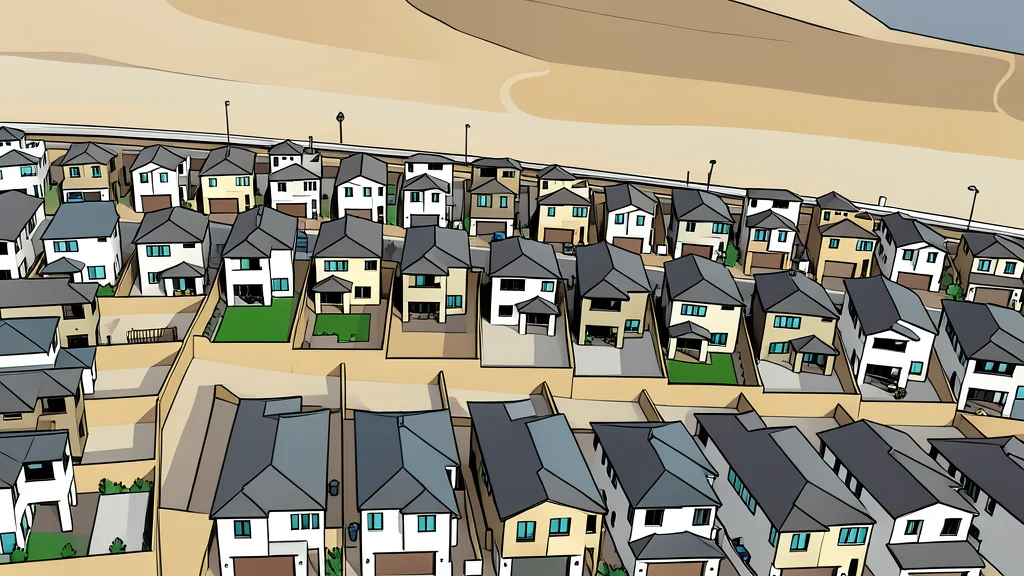
Property tax filings reveal a significant shift in residential occupancy across the Las Vegas Valley, with nearly half of all parcels classified as secondary or rental units.
332,040 residential parcels in Clark County are not occupied by their owners. This figure represents 43 percent of the total 775,199 residential units in the county. The data comes from tax filing records through 2025. These properties include second homes, vacation rentals, and vacant land. They are subject to different tax rates than primary residences.
Primary residences qualify for a property tax abatement capped at 3 percent. Non-primary properties face tax rates of up to 8 percent. This distinction defines the split in the local housing inventory. The high proportion of non-owner-occupied units reflects the region's economic structure. The local market remains heavily weighted toward rentals and investment properties.
Rental demand drives high investor participation
Las Vegas ranks sixth in the United States for the share of residents who rent. The figure stands at 44.9 percent, according to a study by Arbor. Only five cities have higher rental shares. Tia Roman, a broker with Re/Max Reliance, cites this demand as a key factor. Investors continue to purchase properties to serve this large tenant base.
The local economy relies on tourism and hospitality. This sector drives demand for temporary housing. The presence of casinos and outdoor attractions supports this model. Roman notes that the destination status of the valley sustains this market structure. It creates a persistent pool of non-owner-occupied homes.
Homeownership rates lag national averages
The national homeownership rate is approximately 65 percent. Nevada sits below this mark at 59.1 percent. Nicholas Irwin, research director at UNLV’s Lied Center, links this to local wage levels. The economy is driven by blue-collar and service industries. These sectors do not always offer wages high enough for mortgage qualification.
Average long-term mortgage rates in the U.S. are around 6.7 percent. This cost structure impacts affordability for potential buyers. Irwin states that income levels must match housing costs to drive ownership. When they do not, the rental share increases. The gap between income and housing prices widens the non-owner-occupied segment.
Affordability gap limits buyer eligibility
A two-income household in the valley needs to earn $116,563 to afford a home. The estimated median household income is $82,975. This gap means most households cannot cover mortgage payments within standard limits. Spending on housing would consume 42.1 percent of their income. The accepted threshold for affordability is 30 percent of monthly income.
Redfin’s latest report provides these income figures. The data highlights a structural mismatch in the market. Buyers are priced out of the primary residence category. This pushes more households into the rental sector. The result is a sustained high percentage of non-owner-occupied properties in the county.