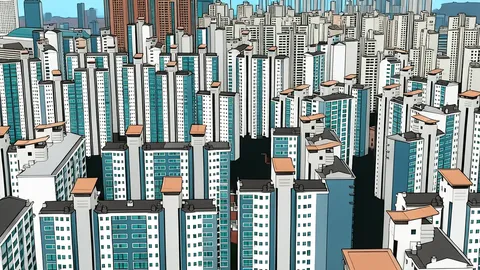
Nigeria Housing Deficit Drives Rent Surge in Lagos and Abuja
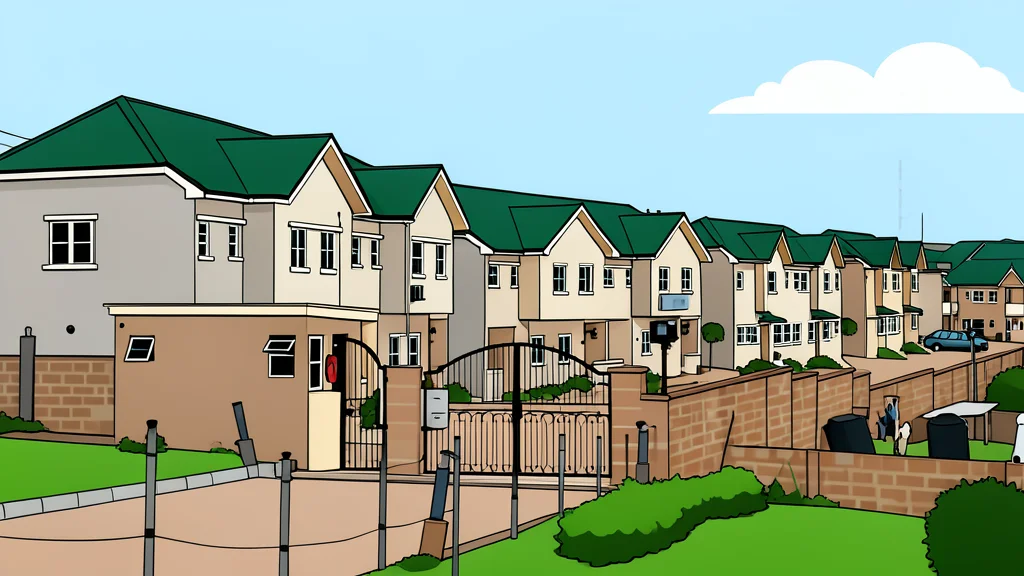
Rents in Lagos and Abuja have risen sharply over two years as supply fails to meet demand. Construction costs and regulatory delays block new housing delivery.
Key points
- Rents in Lagos and Abuja rose sharply over 24 months due to supply shortages.
- High construction costs and currency devaluation hinder new housing delivery.
- Regulatory barriers and lack of financing prevent mass housing development.
Rental prices in Lagos and Abuja have increased significantly over the past 24 months. This surge results from a persistent imbalance between housing demand and limited supply. Urban households face severe financial strain while developers struggle with high input costs.
Odunayo Ojo, CEO of UPDC Plc, identified structural barriers choking the real estate sector. He noted that rapid urbanization has outpaced construction capacity. Currency devaluation has further inflated the cost of imported building materials.
Supply Imbalance Drives Price Increases
Population growth and rural migration have intensified pressure on existing housing stock. Delivery timelines for new projects remain lengthy compared to the pace of demand. Consequently, tenants compete for limited units, pushing average rents higher.
Landlords raise rents to maintain their rate of return on investment. Property values have risen due to inflation and scarcity. Owners adjust lease rates to cover increased capital costs and operational expenses.
Regulatory Bottlenecks Hinder Development
Foreclosure laws and legal bottlenecks create uncertainty for investors in the sector. These regulatory hurdles delay project completion and increase risk premiums. Developers require clearer frameworks to secure long-term financing for mass housing.
Public-private partnerships are necessary to unlock land access for affordable projects. Current models fail to address the core deficit in urban hubs. Policy shifts must prioritize accessible financing and streamlined land acquisition processes.
Market Fundamentals Dictate Rental Trends
Business News Nigeria reported that market dynamics follow standard economic principles. Demand exceeding supply inevitably leads to price escalation in rental markets. Blaming agents or landlords ignores the fundamental scarcity of available units.