Mortgage Rates Hit 7.17 Percent Amid Fed Hike Odds
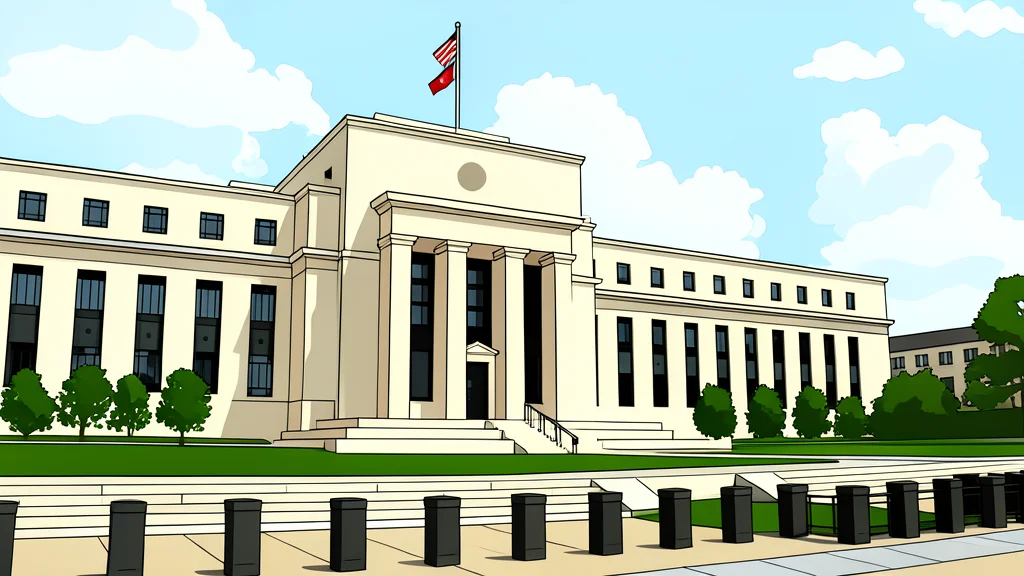
The average 30-year mortgage rate reached 7.17 percent on September 10. This marks the highest level in 16 months.
The average 30-year mortgage rate reached 7.17 percent on September 10. This marks the highest level in 16 months. The increase was driven by rising 10-year treasury yields. Inflation concerns and higher oil prices also contributed to the rise. Market participants are closely watching the upcoming Federal Reserve decision.
Investors are not solely relying on the Federal Reserve for direction. Market sentiment is shaping bond yields independently. This dynamic may determine the trajectory of mortgage rates. The standard link between short-term policy rates and long-term loan costs is weakening.
Fed Hike Odds Reach High Levels
The probability of a September interest rate hike stands at 92.7 percent. CME Group data reflects this strong market expectation. Analysts believe inflation has not shown sufficient signs of easing. This view persists despite recent economic data releases. The market is pricing in a series of increases.
William Raveis Mortgage officials noted the lack of clear inflation relief. They expect conditions to deteriorate before improving. This assessment drives current investor behavior. Bond yields remain elevated in response to these views.
Investor Reaction Drives Bond Yields
Short-term rate hikes do not directly set mortgage rates. The 25-point increase may have limited impact on 30-year loans. Historical data shows mortgage rates can rise during periods of Fed cuts. This disconnect highlights the complex nature of the bond market.
First American economists argue that investor confidence is key. A credible response to inflation could lower long-term yields. The Fed's guidance on future policy paths will be critical. Investors will analyze the Summary of Economic Projections carefully.
Buyers Shift Toward Adjustable Loans
Homebuyers are increasingly looking at adjustable-rate mortgages. These products offer lower initial rates. Buyers hope that rates will decline in the future. The Mortgage Bankers Association has confirmed this shift in demand. Many buyers are adjusting their expectations to close deals.
The market remains volatile as it awaits the FOMC meeting. The September 16 decision will test current assumptions. Investor reactions will likely dictate the next move in rates. The focus remains on data rather than guidance. This approach aligns with recent statements from Fed leadership. GN auto markets/bonds data supports this interpretation of current trends.