New Zealand Mortgage Rates Cross 5 Percent Amid Oil Shock

Fixed-term mortgage rates in New Zealand have climbed above 5 percent as rising oil prices reignite inflation concerns. Economists predict further official cash rate hikes, forcing borrowers to reconsider their financing strategies.
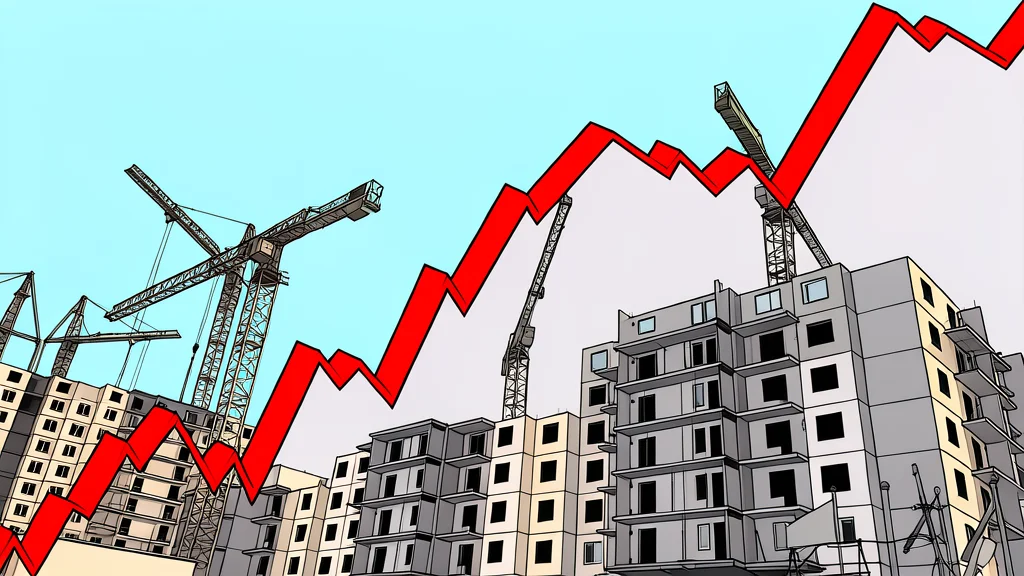
Two-to-five-year fixed mortgage rates in New Zealand have pushed above the 5 percent threshold. This shift follows a recent spike in global energy costs that has altered monetary policy expectations. Borrowers now face a higher cost of debt as central banks prepare for further tightening.
Market data from GN auto markets/housing: mortgage rates indicates a decisive turn toward higher interest rates. The Reserve Bank of New Zealand is expected to raise the official cash rate in October. This move aligns with broader global trends where central banks are prioritizing inflation control over growth support.
Bank Forecasts Signal Continued Tightening
Westpac advises that locking in longer-term fixed rates remains a prudent strategy. The bank expects the official cash rate to trend higher over the next two years. This insulation from future hikes protects borrowers from further increases in repayment obligations.
ANZ projects that the Reserve Bank may need to hike rates beyond the current 3 percent level. ASB expects a rate increase in October, despite earlier signals to wait until December. These divergent views share a common conclusion that the current rate cycle has not yet peaked.
Oil Prices Drive Inflation Pressure
Brent crude oil briefly reached 110 US dollars per barrel last week. This price surge resulted from escalating tensions in the Strait of Hormuz. Higher energy costs are pushing global bond yields upward and hardening expectations for sustained monetary tightening.
ANZ has revised its forecast for the US Federal Reserve to include three 25 basis point hikes. The bank now expects this tightening cycle to begin in December. These global developments are directly influencing domestic policy decisions in New Zealand.
Economic Resilience Meets Housing Moderation
New Zealand's economy has shown resilience despite the external shock. Westpac upgraded its second-quarter GDP forecast to a 0.2 percent increase. ASB is slightly more optimistic, predicting a 0.3 percent rise, while ANZ expects a 0.1 percent lift.
Kiwibank reports that business sales rose 8.9 percent and profits increased 7.9 percent in the June quarter. Wholesale trade and manufacturing sectors performed well due to stronger commodity prices. However, housing market dynamics are shifting toward a more moderate recovery.
Westpac and ASB both foresee a slower pace of house price growth in coming years. ASB predicts no nationwide price growth in 2026, followed by 3.5 percent growth in 2027. Prices are not expected to return to their late-2021 peak until late 2029.