NAHB Index Falls to 32 as Mortgage Rates Hit 6.97%
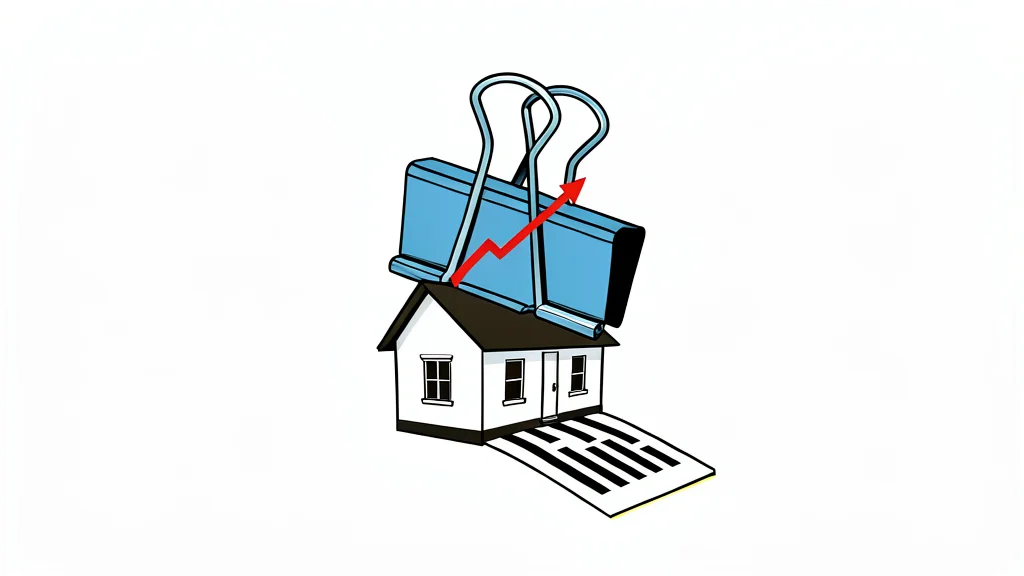
Builder sentiment dropped to 32 in September. This decline coincided with 30-year fixed mortgage rates rising to 6.97%.
The NAHB/Wells Fargo index fell to 32 in September. This marks a drop in builder confidence. Thirty-year fixed mortgage rates climbed to 6.97% during the same period. Builders responded by increasing price cuts and incentives. The index reading of 32 indicates more builders view conditions as poor than good.
Demand is cooling as higher rates squeeze affordability. Buyer traffic is weakening despite persistent costs for land and labor. Builders face a difficult environment for moving homes. The decline reflects broader pressure on the housing market.
Sales Conditions Deteriorate in Survey
Current sales conditions slipped to 35. Future sales expectations dropped to 37. These figures show a consistent downward trend. Builders are adjusting strategies to maintain volume. The data comes from the monthly NAHB survey.
Thirty-eight percent of builders reported cutting prices. Sixty-six percent said they used sales incentives. These concessions aim to attract buyers in a high-rate environment. Truist Securities noted that builders may rely more on these measures. If rates remain high, demand could stay soft.
Margin Pressure from Increased Concessions
Price cuts lower the effective selling price. Input costs for materials and labor do not fall quickly. Each concession compresses gross margins. This shifts the focus from sales volume to profitability. Quarterly results become more sensitive to incentive intensity.
Meritage Homes and peers may need to increase sweeteners. The 66% incentive rate from September is a baseline. Higher rates hit buyer traffic first. Financial results reflect the cumulative effect of these discounts. The market watches these metrics closely.
Affordability Constraints Impact Buyer Traffic
Mortgage rates directly affect buyer purchasing power. A rate of 6.97% limits the number of qualified buyers. Builders must compete for a smaller pool of customers. This dynamic drives the reliance on discounts. The situation persists as long as rates remain elevated.
Source data from GN auto markets/housing: mortgage rates confirms the trend. The link between rates and builder sentiment is clear. Economic indicators show a tightening market. Builders prioritize closing deals over holding price. This strategy impacts overall industry earnings.