Seoul Jeonse Prices Hit 84-Week Streak

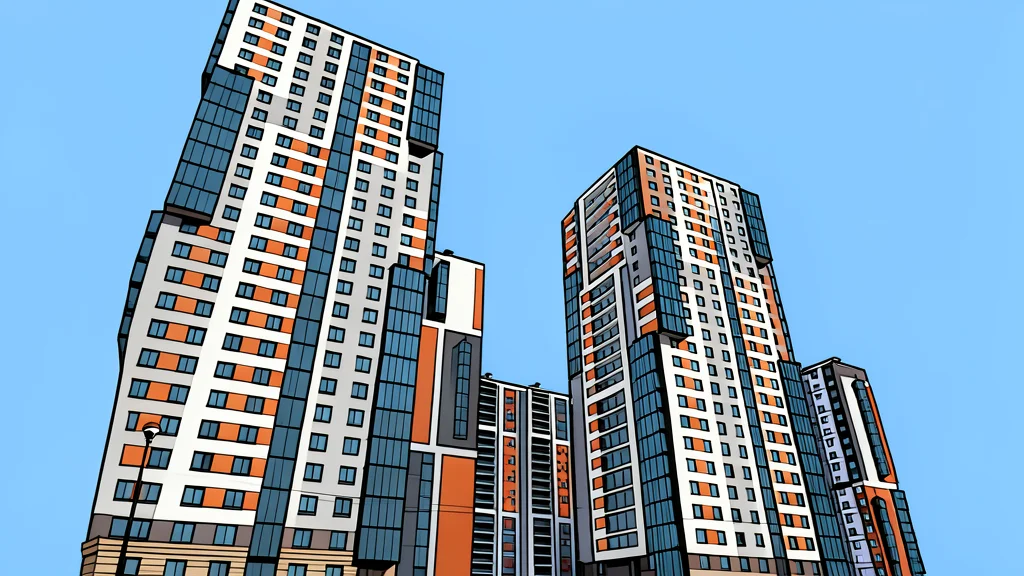
Seoul apartment jeonse prices have risen for 84 consecutive weeks, marking the third-longest streak in recorded history. The surge is driven by demand in outer districts and a shift from lump-sum deposits to monthly rent.
Jeonse prices for apartments in Seoul have increased for 84 straight weeks. This duration represents the third-longest continuous rise on record. The trend is particularly pronounced in the city's outer districts. Demand remains high for affordable housing in these areas.
In Nowon-gu, a 69-square-meter unit saw its price jump from 400 million won to 450 million won in one month. This area recorded the highest jeonse growth rate in Seoul at 1.58%. Monthly rent levels in the district are approximately 1.8 times the Seoul average. Tenants face limited options as landlords reclaim units.
Tenants Choose Contract Renewals
Rising costs are pushing tenants to stay in their current homes. The proportion of contract renewals among Seoul apartment jeonse contracts reached 58.9% last month. This figure is up more than 15 percentage points from a year earlier. Moving costs and higher asking prices discourage relocation.
Demand is shifting toward non-apartment housing types. The jeonse price index for row and multi-family housing surpassed its previous peak. This is the first time this has happened in four years and seven months. The market is experiencing a structural shift in rental preferences.
Monthly Rent Share Expands
The transition from jeonse to monthly rent is accelerating. From January to July, monthly rent accounted for 69.7% of housing lease transactions. This is a 5.9 percentage point increase from the same period last year. The average housing monthly rent in Seoul has now exceeded 1.3 million won.
This is the first time the average has crossed this threshold since statistics began in 2015. New supply of move-in units remains scarce. Experts from KB Kookmin Bank note that the market is in a transitional phase. Instability in jeonse prices is expected to persist in the near term.
Market Stabilization Policies Needed
Rising rental costs are pushing some demand toward housing purchases. According to GN auto markets/housing data, this dynamic puts pressure on sale prices. Experts advise that policymakers must address rental market stability. Stabilizing the rental sector is necessary to contain broader housing price inflation.