South Korea Plans 1.19 Million Public Homes by 2030
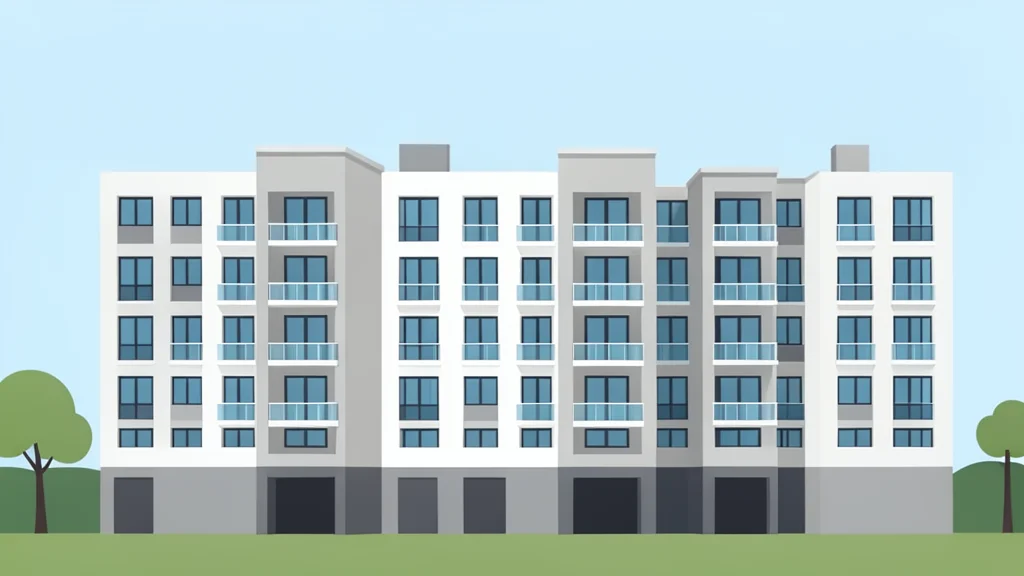
Seoul Economic Daily reports a new housing strategy aims to supply 190,000 mid-sized units in urban centers to ease rental pressures.
Key points
- South Korea plans to supply 1.19 million public housing units to address rental market strain.
- The strategy includes 190,000 mid-sized units near subway stations by 2030 for middle-class households.
- Funding concerns arise as the National Housing and Urban Fund faces shrinking inflows and rising spending.
South Korea will supply 1.19 million public housing units to address rental market strain. The government announced this plan three days after President Lee Jae-myung’s news conference on the 18th.
The strategy expands public rental access to middle-class households without home ownership. It targets urban anxiety by placing 190,000 mid-sized units near subway stations by 2030.
Policy shifts to universal rental access
Previous housing welfare focused primarily on low-income and vulnerable groups. The new blueprint broadens this scope to include middle-class renters. This change aims to reduce the perceived distance between government policy and market realities.
Officials state these new units will match private housing quality. They will be located in city centers and near transit hubs. This placement is intended to make public housing a viable alternative to private rentals.
Funding gaps threaten implementation
Building quality housing in prime locations while keeping rents low requires significant capital. The National Housing and Urban Fund faces rising spending demands. Simultaneously, its funding base is weakening as housing savings account holders withdraw their money.
High presale prices and lending restrictions drive this exodus among young adults. The fund must cover expanded supply and quality improvements. This creates a financial squeeze where outflows rise while inflows shrink.
Lawmakers propose increased annual budget
A Democratic Party lawmaker suggested increasing public housing funding by 10 to 20 trillion won annually. This proposal targets the next three years using excess tax revenue. The Seoul Economic Daily notes this reflects the ruling bloc's urgency to stabilize public sentiment.
The success of the 1.19 million unit plan depends on detailed financing mechanisms. Without a clear funding source, the supply targets remain uncertain. The government must now provide specific answers on how to pay for this expansion.