Swiss Housing Supply Forecast to Rise by 45,000 Units in 2026
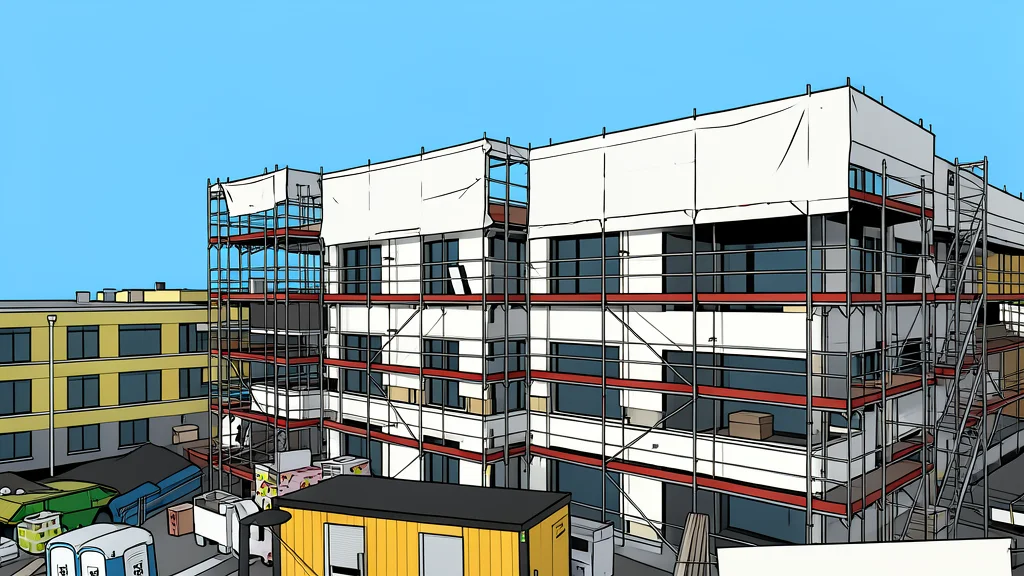
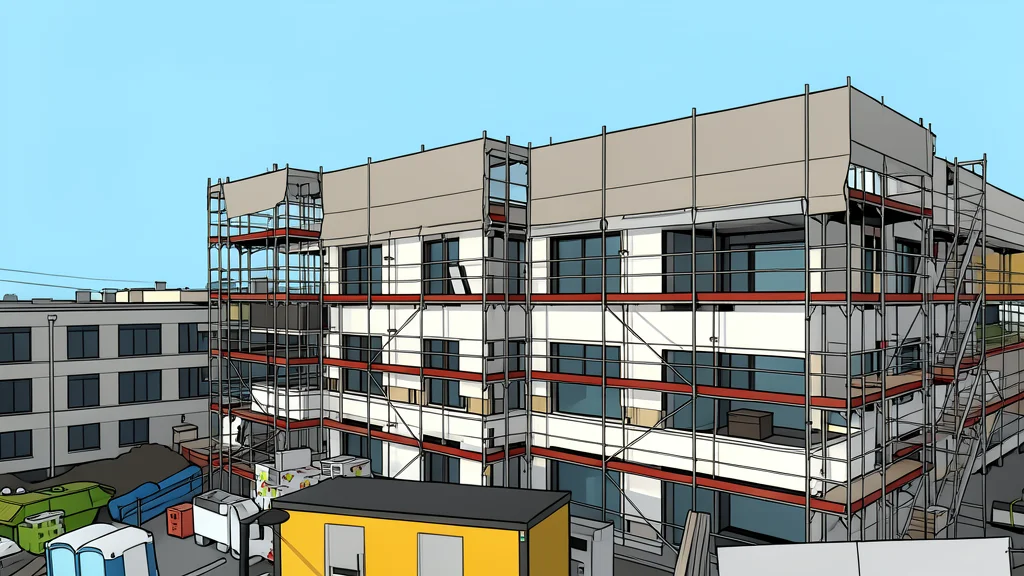
Switzerland expects a net addition of 45,000 homes in 2026, marking the first significant increase in supply since 2009.
Swiss housing construction is set to expand. The net increase is projected at 45,000 units in 2026. This figure represents a sharp rise from recent years. The 2025 estimate stands at 39,000 homes. That is the lowest level recorded since 2009.
The housing market remains tight. A shortage of flats persists across the country. The new supply aims to alleviate this deficit. The improvement is expected to be partial. It will target specific regions first.
Construction activity bottoms out
Wüest Partner predicts a turnaround in building output. The firm states that construction has bottomed out. The forecast includes 50,000 new homes in 2027. This follows a period of stagnation. The 2024 figure was 40,000 additional units.
The data source is the GN auto markets/housing report. It cites Wüest Partner analysis. The study was published on Thursday. It highlights a significant increase in production. This growth is expected to ease the shortage by 2027.
Market incentives drive new projects
The upturn was initiated several years ago. Vacancy rates began falling in 2020. Property values rose significantly during this period. These factors created incentives for developers. They triggered additional development schemes.
Projects take years to complete. Planning and approval phases are lengthy. Construction costs have risen. Building regulations have become more complex. Interest rate trends also impact progress. Many projects initiated since 2020 are nearing completion.
Regional variation in housing supply
The 2026 upturn will be sporadic. Western Swiss cantons will see above-average production. Alpine regions will also benefit. In 2027, momentum will increase. Thurgau, Geneva, Valais, and Neuchâtel lead the growth.
Parts of the Swiss plateau will also see gains. However, half of the cantons remain below the long-term average. Urban centers will stay tight. No widespread easing is in sight. Applications do not suggest acceleration by 2028.