Swiss Housing Output Set to Rise by 45,000 Units in 2026
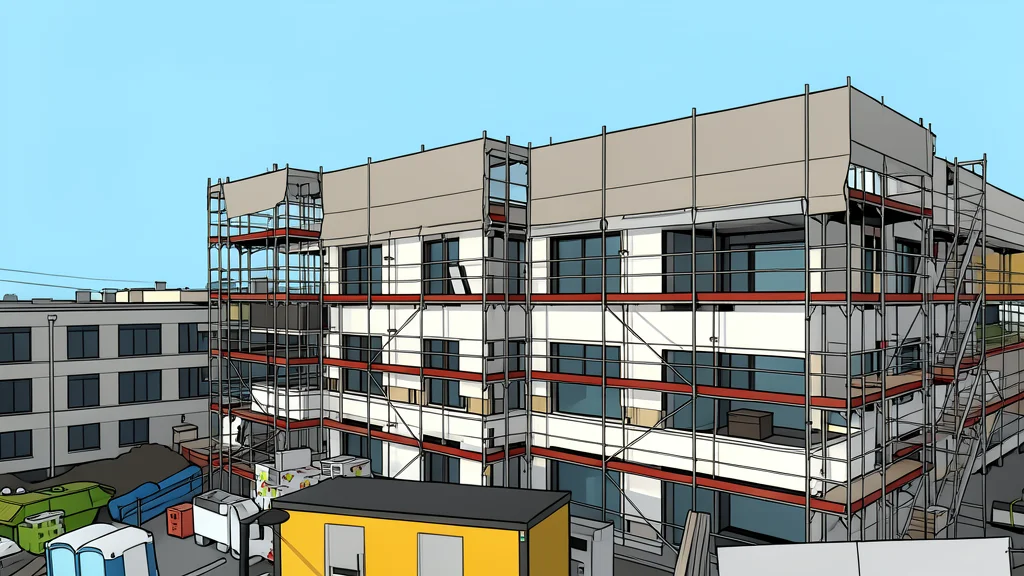
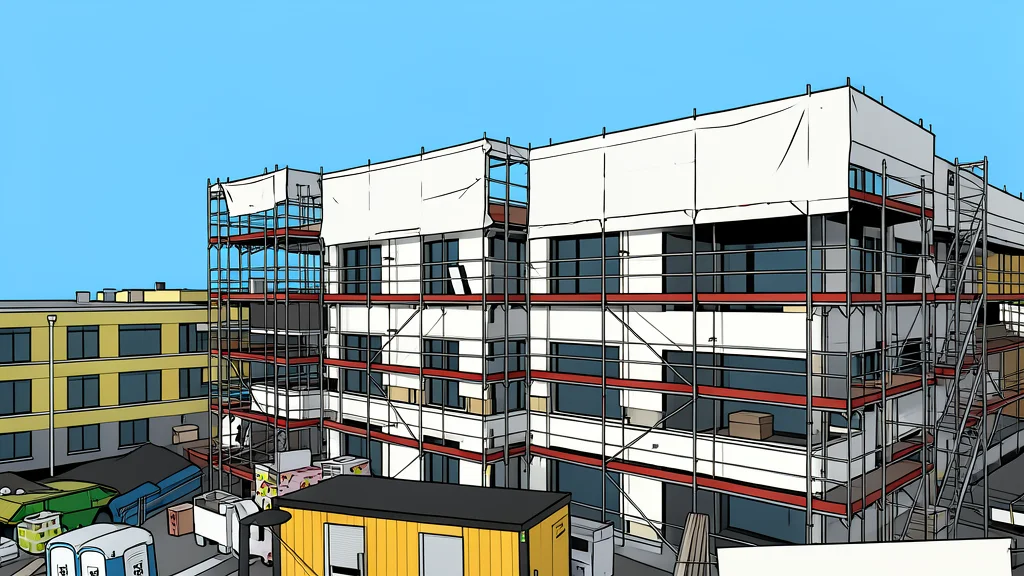
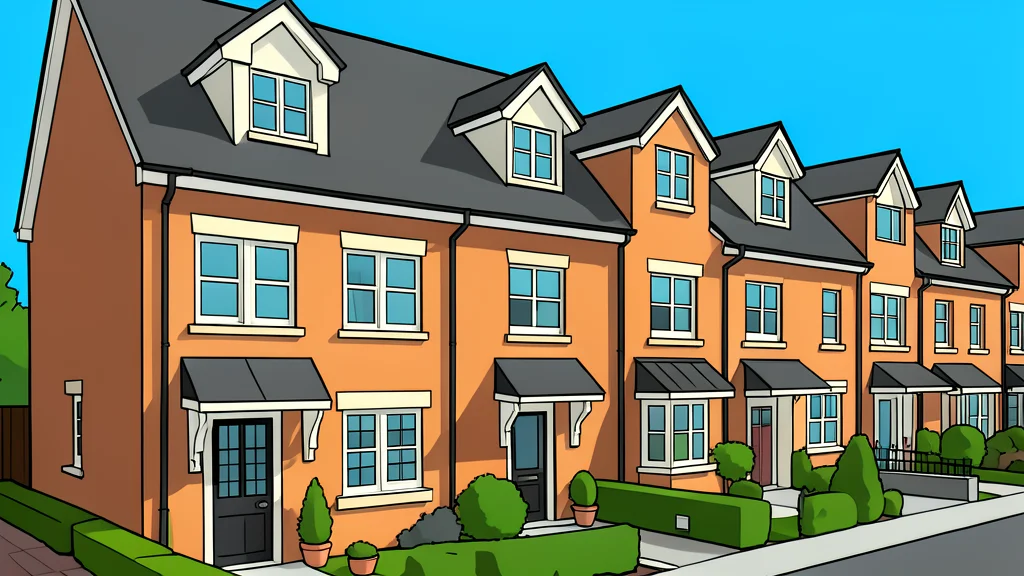
Swiss housing construction is projected to bottom out after a five-year decline. New data suggests a net increase of 45,000 homes in 2026, marking the start of a gradual recovery in supply.
Swiss housing construction is set to bottom out in 2026. The property consultancy Wüest Partner forecasts a net increase of 45,000 homes for the year. This figure represents a significant rebound from recent lows. The number of new units delivered in 2025 is estimated at 39,000. That is the lowest level recorded since 2009. The previous year, 2024, saw 40,000 additional homes added to the stock. The upcoming increase aims to alleviate the persistent housing shortage. The market remains tight, but production is accelerating.
The recovery builds on incentives created by prior market conditions. Vacancy rates began to fall rapidly in 2020. This shift coincided with a significant rise in residential property values. Higher prices provided the financial basis for new development projects. Many of these initiatives have now cleared the planning and approval phases. They are nearing completion and will enter the market soon. This lag explains why the supply response is only now materializing.
Delays shaped the current supply timeline
Several factors slowed the pace of new builds in recent years. Building regulations have become more complex. Construction costs have risen steadily. Interest rate trends added further uncertainty to financing. These elements delayed individual projects significantly. The pipeline of approved homes from 2020 onwards is now reaching the construction phase. This backlog of completed projects drives the expected surge in 2026 and 2027. The market is digesting years of delayed approvals simultaneously.
Regional variation defines the recovery map
The upturn will not be uniform across the country. Western Switzerland and Alpine regions will see production exceed long-term averages. Cantons such as Thurgau, Geneva, Valais, and Neuchâtel are expected to lead the rise in 2027. Parts of the Swiss plateau will also benefit from the increased supply. However, roughly half of all cantons will remain below their historical averages. The major urban centers will continue to face tight conditions. A widespread easing of the shortage is not yet in sight.
Future application data suggests stability
Current building applications do not indicate further acceleration beyond 2027. The pipeline of new projects remains steady but not expanding rapidly. Experts from GN auto markets/housing note that the situation will remain tight in key areas. The increase in supply is a correction to the recent drop. It is not a signal of a speculative boom. The market is returning to a more balanced state. The focus remains on meeting existing demand without overheating.