Sydney Housing Targets Missed as Single Homes Dominate Pipeline
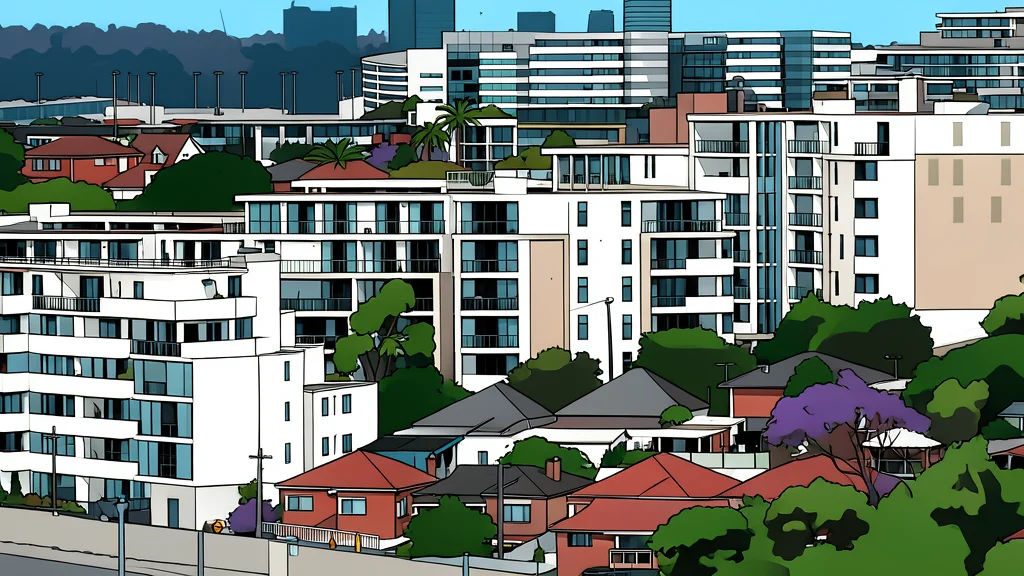
Only 3,333 homes have been approved under the low-and-mid-rise policy. This falls far short of the 22,400 annual target required to meet the 2029 goal.
The New South Wales government has approved only 3,333 homes under its low-and-mid-rise policy. This figure is a fraction of the 22,400 units required annually to meet the 2029 target. The state pledged to deliver 112,000 new homes to address the housing shortage. Current data suggests this goal is unlikely to be achieved.
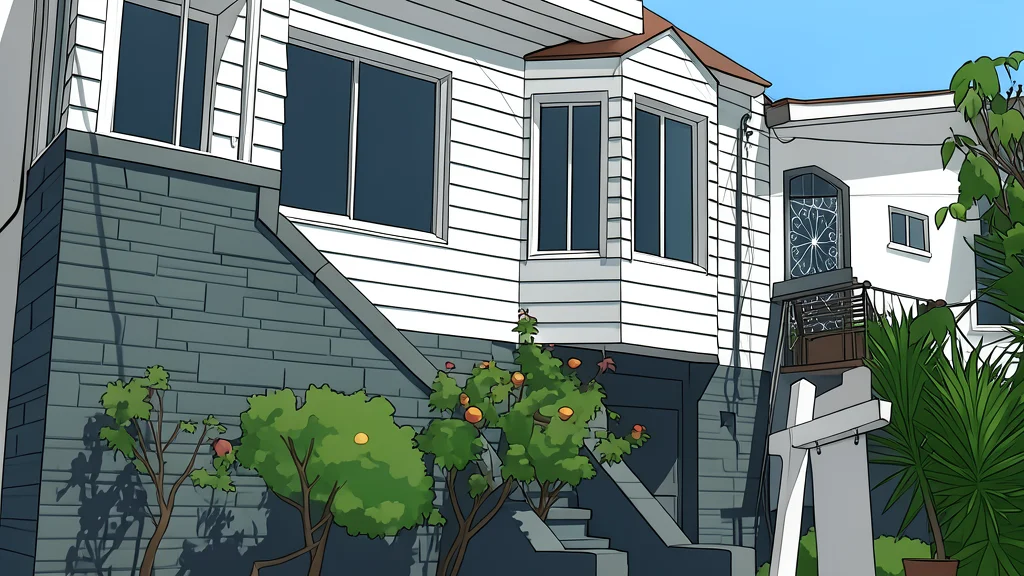
An analysis by GN auto markets/housing: housing policy reveals a structural issue in the application pipeline. Four-fifths of development applications submitted are for single detached homes. Developers are using the streamlined planning system to renovate existing properties. They are not building the terraces or apartments the policy intended to create.
Pipeline Data Shows Low Density Bias
The total housing pipeline under this specific policy stands at 13,308 dwellings. Approximately half of these units are in residential apartment buildings. The remaining portion consists of lower-density structures. This mix does not support the high-density urban growth strategy outlined by the state.
The policy aims to increase housing choice in well-located areas. It targets zones where high-rise construction is not feasible. The goal is to improve infrastructure efficiency and reduce car dependency. However, the current application flow contradicts this objective. Developers are prioritizing detached housing over multi-unit developments.
Urban Density Remains Below Global Standards
Sydney’s population density is higher than other Australian cities. It still falls short of most top-tier global cities. This results in less efficient use of land and infrastructure. Adding residents to established areas boosts local economies. It also encourages transit use over private vehicle reliance.
The city’s topography includes hills and major waterways. These features limit large-scale uniform development. Housing diversity is a key part of the city’s appeal. The current policy fails to balance density with this character. The result is a supply gap in the middle segment of the market.
Alternative Models Face Planning Barriers
Bluefield housing offers a potential solution. This model retains existing suburban character while adding infill dwellings. For example, a single house can be kept while two smaller units are added behind it. This approach preserves the garden and street profile. South Australia has enacted laws to facilitate this type of development.
New South Wales planning rules prevent the widespread adoption of bluefield housing. The state government set ambitious targets for public visibility. It now faces criticism for missing these benchmarks. A holistic approach is required to fix the policy. Creative thinking and public discussion are needed to refine the strategy.