Juan Soto's Hustle Sparks Fury in Subway Series
A 400-foot blast silenced the Bronx, but two slow starts on the basepaths ignited a firestorm over a 765 million dollar contract.
The chalk dust settles on the mound, a white scar against the green turf of Yankee Stadium. Juan Soto stands tall, the echo of a 400-foot solo homer still hanging in the humid air. The New York Mets hold a 6-2 lead in the seventh inning, the scoreboard glowing red against the darkening sky. It is a moment of pure power, a testament to the arm that launched the ball into the stands. Yet, the victory is not a clean sweep. It is stained by the memory of two specific moments where legs failed to match the eyes, leaving a bitter taste for the crosstown rivals and a simmering rage among the analysts.
The Subway Series is a grind, a physical and mental attrition that exposes every crack in the armor. Soto’s 12-2 win on Saturday leveled the series, but the path to that score was paved with controversy. His baserunning, typically a quiet part of the game, has become the loudest noise in the building. Critics are not just questioning his skill; they are questioning his commitment. The debate has moved beyond the box score, diving into the ethics of effort and the weight of a historic contract. As reported by Yahoo Sports, the backlash is intense, with voices demanding accountability for what they see as a lack of hustle.
Double Plays and Dropped Chances
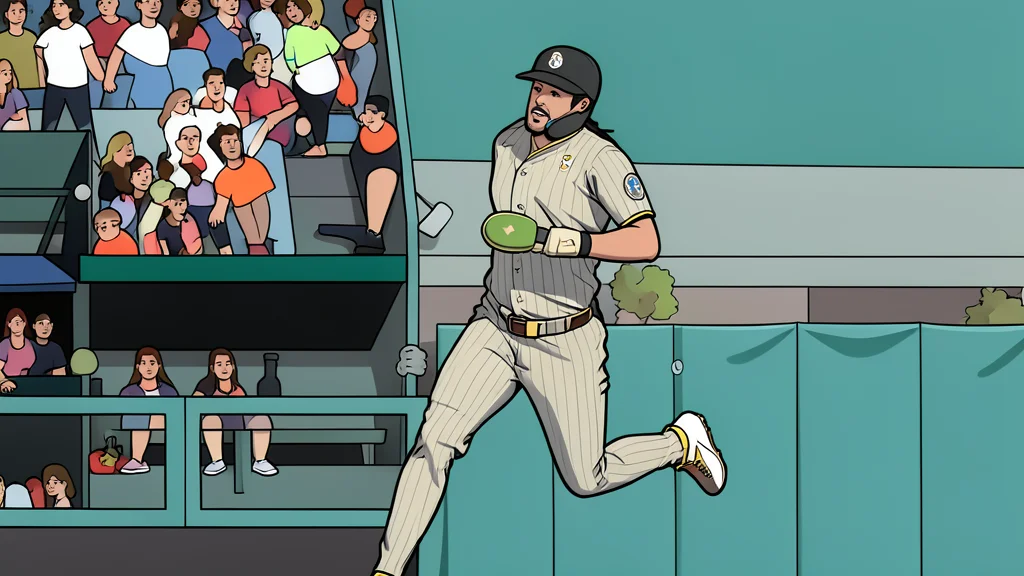
The Friday night game ended in pain. Trailing 6-3 in the ninth, the Mets needed a miracle. Francisco Lindor singled, setting the stage for a potential tie. Soto stepped in, facing David Bednar’s 90-mph splitter. The ball skidded to the left, a chance to beat the throw. But Soto did not sprint. He let the double play turn, the ball crossing the diamond while he watched. The game was over, the chance extinguished. It was not just a lost opportunity; it was a signal to the critics.
Saturday brought a similar scene. After Lindor’s early homer, Soto grounded a 97-mph fastball off Gerrit Cole. Anthony Volpe fumbled the ball, it bobbling in front of him. In a normal game, a player sprints to first, forcing the fielder to make a clean play. Soto did not. He let Volpe recover, and the out was recorded. The error was not the fielder’s; it was the runner’s. The lack of urgency was palpable, a slow-motion failure that left the Mets’ offense stranded.
Analysts Question the Effort
The reaction was swift and sharp. Dan Clark, writing on X, called it a disgrace. He pointed to the $765 million figure, a number that now feels like a burden. The lack of hustle, he argued, cost the Mets a game on Friday and nearly cost them another on Saturday. It was not a matter of ability; it was a matter of will. The analysts saw a player who was not giving his all, a glaring omission in a sport that demands total commitment.
Gary Cohen, the play-by-play announcer, added a layer of context. He acknowledged Soto’s calf injuries, a right strain in April and a Grade 2 left strain in mid-season. Soto had missed weeks, returning to the active roster on August 29. But Cohen noted that Soto did not show any issues later in the game. He ran like the devil on a double in the fifth, scoring on a Carson Benge single. The inconsistency was the problem. He could run when he wanted to, but chose not to when it mattered most.
The Weight of a Contract
Soto’s journey to the Mets was a spectacle. He spent 2024 with the Yankees, earning boos in the Bronx. He then entered free agency, signing a 15-year, 765 million dollar deal with the Mets. It is the largest contract in baseball history, a sum that dwarfs the salaries of entire rosters. The critics wonder if the money has taken a toll. Is the comfort of the paycheck dulling the edge? The noise is not just about the past; it is about the future. They are watching to see if Soto can rise above the scrutiny or if the contract will become a chain.
For now, Soto has a .272 batting average, 60 RBIs, and 25 home runs over 98 games. The numbers are solid, but they do not answer the questions about his heart. The Mets lost the series, falling 2-0 after a scoreless six innings from Cam Schlittler. The loss stings, but the debate over Soto’s effort will linger. It is a reminder that in baseball, as in life, talent is only half the story. The other half is the willingness to run, to fight, to leave everything on the field. Soto has the power, but he must now show the grit. The chalk dust will settle, but the questions will remain.