Analyst Silence Spark WNBA Controversy
A polished basketball rests on the hardwood, yet the air in the studio is thick with unspoken tension. One name was never called.
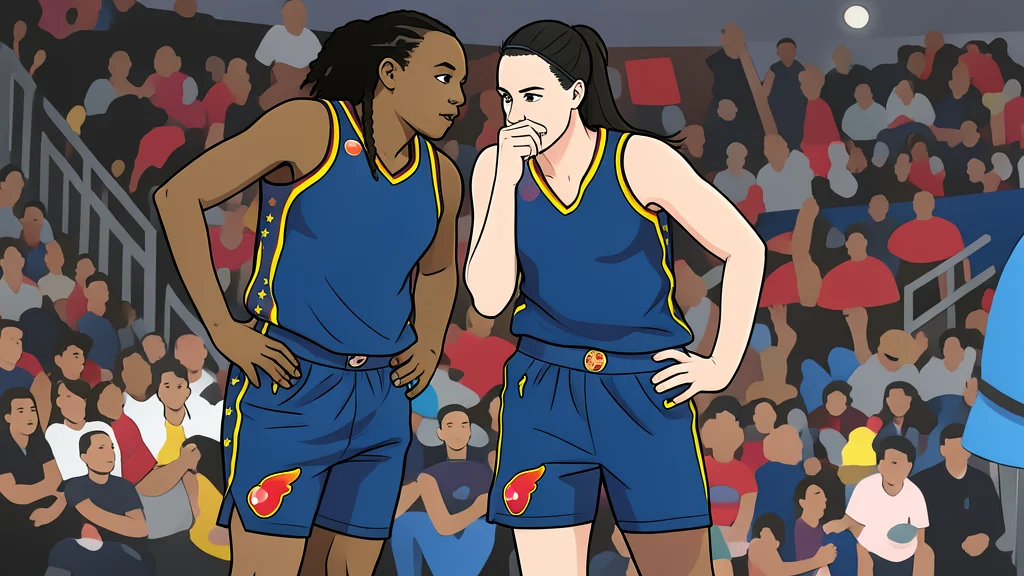
The studio lights hum with a low, electric buzz, casting long shadows across the desk where two analysts sit side by side. The air is still, charged with the weight of recent events in Berlin. Helen Williams leans forward, her voice steady as she reviews the gold medal run, but the silence beside her grows heavier with every word. It is a quiet that speaks louder than any shout, a void left by a single, deliberate omission.
Cindy Brunson lists the names of the roster contributors, her tone smooth and appreciative. She praises the efficiency of one, the spirit of another, the unexpected brilliance of a guard who thrived under pressure. Each name is a bright spark in the dark of the conversation, illuminating the team’s collective strength. Yet, as the list ends, the absence of the most prominent figure in the league hangs in the room like smoke, unacknowledged and thick.
The Unspoken Name in the Room
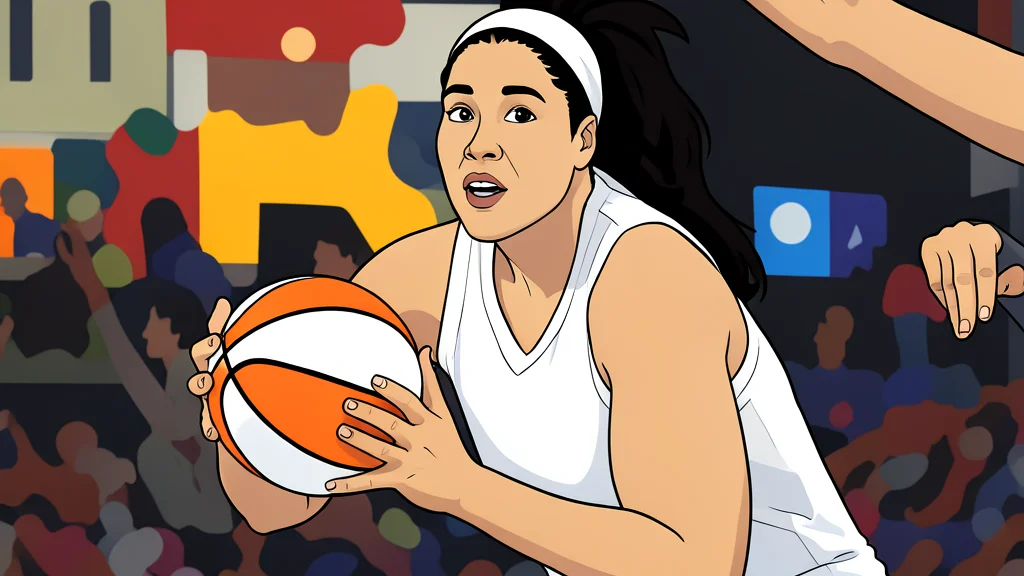
Caitlin Clark’s performance in Berlin was a statistical anomaly, a surge of playmaking that defied the usual metrics. Averaging 7.8 points and a tournament-high 5.3 assists, her impact was tangible on the court. She moved the ball with a surgeon’s precision, creating space where none existed. Her contributions were not just numbers; they were the engine driving the squad’s offensive rhythm, a presence that demanded recognition.
Brunson’s commentary highlighted the efforts of Phee, Aaliyah Boston, and Collier, framing their roles as crucial to the team’s success. She described Angel Reese’s performance with vivid imagery, calling her a moth drawn to the light. The praise was specific, detailed, and warm. In contrast, Clark’s name never left Brunson’s lips. The silence was not accidental; it was a curated gap in the narrative, a choice to elevate others while leaving the star guard in the shadows.
Digital Backlash Erupts Instantly
The reaction was immediate and fierce. Social media feeds flooded with messages dissecting the broadcast frame by frame. Fans pointed out the disparity in coverage, noting that while Reese’s metrics were praised, Clark’s assist average ranked sixth in the tournament. The digital crowd saw through the omission, interpreting it not as an oversight but as a calculated slight. The comments section became a battleground, with users accusing the analyst of bias and advocacy over reporting.
One user argued that Brunson seemed paid to dislike Clark, while another described the moment as a wild display of ignoring the player filling every arena. The tone was sharp, cutting through the polite veneer of sports analysis. For many, this incident was not isolated. It was the latest evidence in a long-standing dispute, a pattern of behavior that had already earned the analyst a reputation as a detractor of the Indiana Fever guard.
A Pattern of Controversial Takes
This was not the first time Brunson found herself in the crosshairs of Clark’s fan base. Days earlier, she had argued on social media that rookie Olivia Miles should be the MVP frontrunner, citing her team’s first-place standing. The argument sparked its own wave of criticism, reinforcing the perception of a deep-seated animosity. The digital landscape was already primed for conflict, and the broadcast omission served as the final spark.
In recent weeks, Brunson had also dismissed Clark’s 37-point, 10-assist game as mere stat padding. After the gold medal game, she labeled Clark’s late-game turnovers against France as inexcusable. Each comment drew a chorus of dissent, forcing the analyst to delete her posts. According to Yahoo Sports, these deletions have only fueled the narrative that the commentary is driven by personal bias rather than objective analysis. The polished hardwood of the studio remains, but the trust in the narrative has cracked.