Martin's Surge Sinks Hosts in Berlin Bronze Medal Clash
In a loud Berlin arena, Spain's speed dismantled Germany's defense, securing a historic third-place finish with a 81-58 victory.
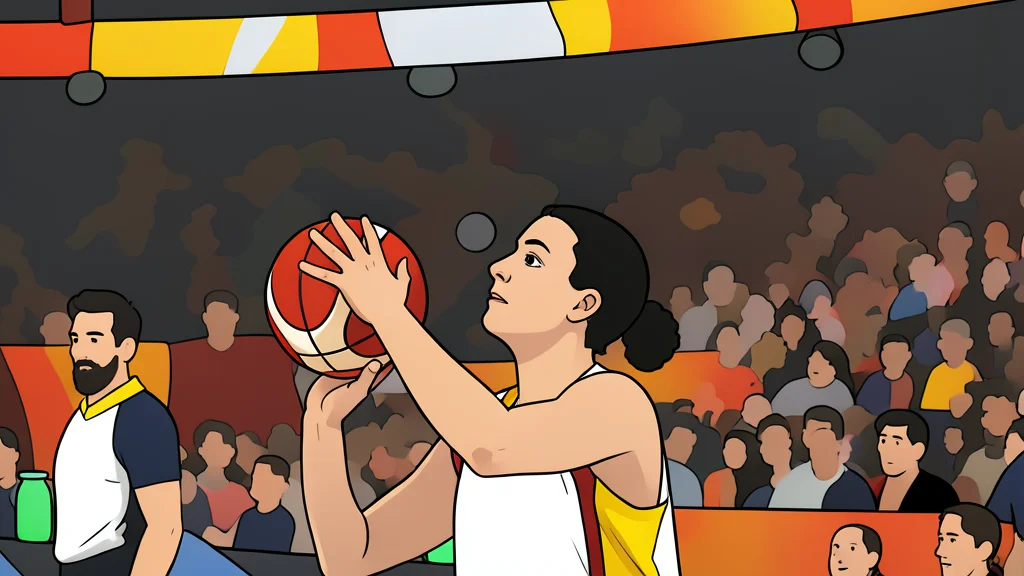
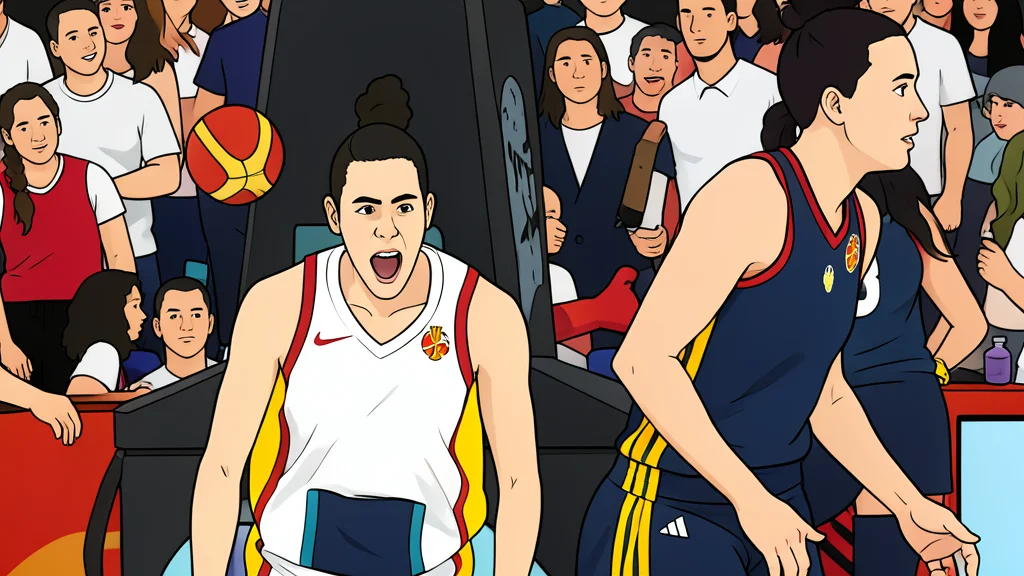
The air in the Berlin Arena tastes of dust and sweat, a physical weight that settles on the shoulders of twenty-year-old Iyana Martín. She does not pause to catch her breath; instead, she drives past a defender who is half a step behind, the squeak of rubber on polished wood cutting through the roar of the crowd. This is not a contest of wills but of mechanics, of sharp angles and sudden stops. Spain’s offense moves like water, slipping through gaps that Germany cannot plug, while the hosts struggle to find their rhythm in the stifling heat of expectation.
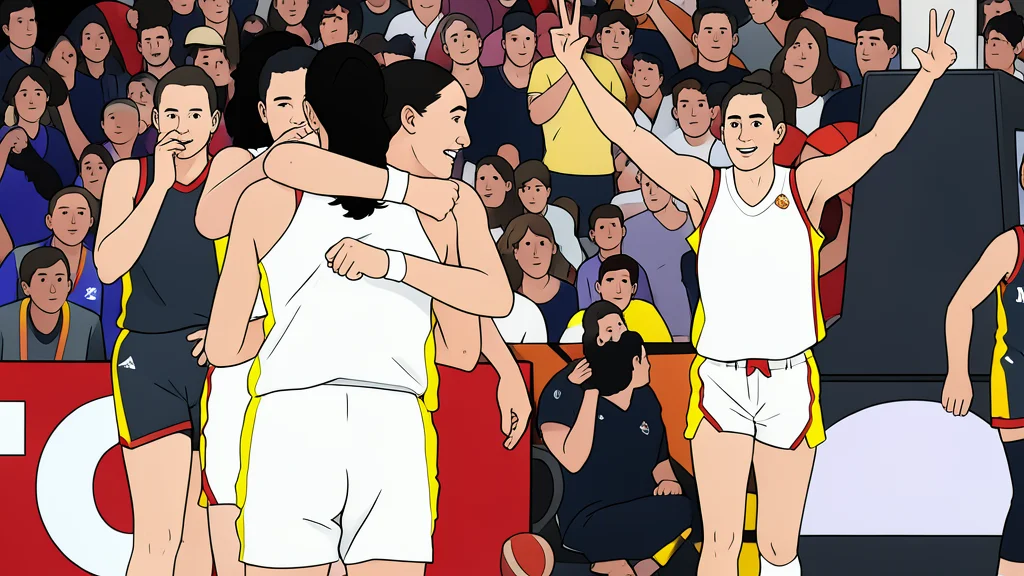
The final whistle blows, and the scoreboard freezes at 81-58. The Spanish players collapse into a heap of jerseys and limbs, a tangle of limbs and laughter that spills across the court. Across the hardwood, Germany’s Frieda Bühner stands alone near the baseline, wiping tears from her cheeks with the back of her hand. The silence on their side of the floor is heavy, a stark contrast to the dancing and shouting erupting from the Spanish huddle. The bronze medal is won, but the cost is etched in the faces of the hosts who came home to nothing.
Sharp Edges Against Slow Defenses
Spain arrives with a hunger that borders on violence, their movement quick and predatory. They are the team that missed the last World Cup entirely, so every possession feels like a theft of time. Martín, the engine of this attack, scores 22 points, her shots crisp and unforced. Beside her, Seattle Storm rookie Awa Fam moves with the calm of a veteran, grabbing nine rebounds and adding ten points on 5-of-6 shooting. Their chemistry is visible in the way they call for screens, the way they pivot on a dime to open up a lane. Germany, by contrast, looks heavy, their legs dragging under the weight of their own history.
Turnovers plague the hosts, a recurring nightmare that haunts their every pass. They committed 25 in their semifinal loss to France, and today, they surrender the ball with alarming frequency. Six turnovers in the first quarter alone signal a team unraveling at the seams. By the end, the total is 18, each one a small death of momentum. The ball becomes a hot potato, something to be rid of rather than used, and Spain pounces on every mistake with clinical efficiency.
Tears and Triumph on Home Soil
Leonie Fiebich stands before the microphones, her voice trembling as she fights back tears. The pain is palpable, a physical ache that she says the team must carry with them. It is a unique moment, she admits, one that happens only once in a career. She is thankful for the staff, the organization, the sheer scale of the event, calling it one of the coolest experiences of her life. But the sweetness of the memory is curdled by the bitterness of the result. They came home to win a medal and left with only memories and a bruised ego.
This is not just another loss for Germany. It is the failure to break a long drought, the inability to claim their first medal as a unified country since 1998. East Germany finished fourth in 1967, a ghost that haunts the modern team. Today, they are outclassed by a Spain that defeated them by 30 points in the opening game, a victory that remains their biggest win over a European team in this tournament. The history books are being written in real time, and for Germany, the page is blank where it should be gold.
A Historic Third-Place Finish
For Spain, this 81-58 victory cements a legacy. It is their third third-place finish in the tournament’s history, joining the ranks of their 2010 and 2018 squads. The team that did not qualify for the last World Cup has now climbed to the podium, a testament to their rapid ascent. According to GN sports/basketball (en-US), the Spanish players looked sharper and faster throughout, their intensity a direct response to their earlier absence. They have turned their lack of recent experience into a weapon, their hunger for recognition driving every pass and every shot.
The celebration at the Berlin Arena is wild, a release of tension that has built over weeks of competition. The players hug, dance, and shout, their joy raw and unfiltered. It is a moment of pure elation, a reward for their discipline and their skill. Spain has done what they set out to do, and they have done it with style. The bronze medal is more than metal; it is a statement, a declaration that they are back, and they are dangerous.