Dana White Concedes Boxing Has Lost the American Youth
The arena lights hum with a low, electric buzz. In the silence between rounds, a promoter looks out at a crowd that no longer knows the difference between a jab and a hook. The sport is bleeding its future into the hands of a rival brand.
The arena lights hum with a low, electric buzz. In the silence between rounds, a promoter looks out at a crowd that no longer knows the difference between a jab and a hook. The sport is bleeding its future into the hands of a rival brand. Dana White stands at the center of this shift, acknowledging a stark reality: the younger American demographic has turned its back on the sweet science. The UFC now holds the attention that once belonged to the amateur pipelines of the nation. It is a quiet surrender, marked by the absence of young faces in the front row, replaced by the steady, branded pulse of mixed martial arts.
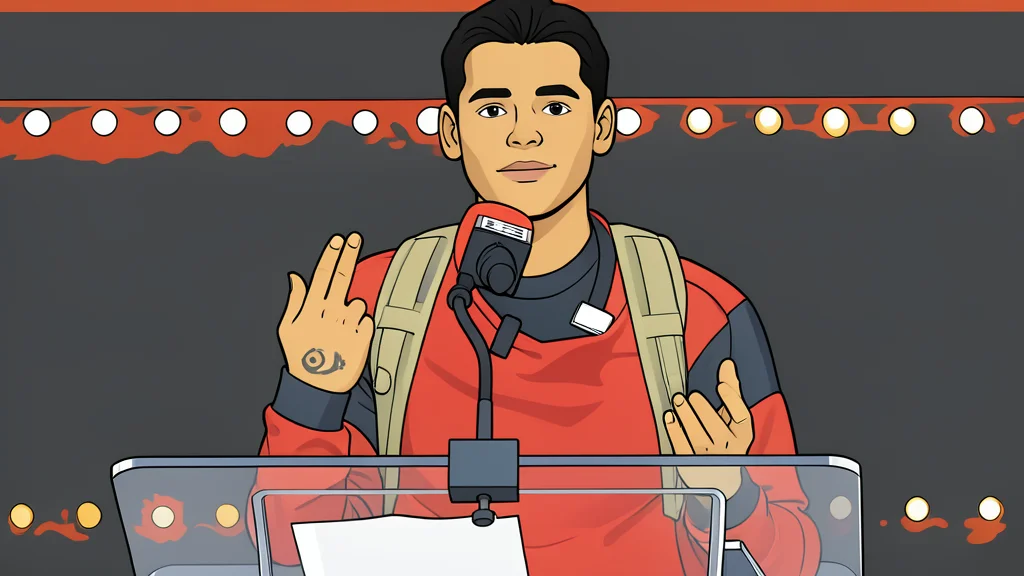
“The younger demo doesn’t care about boxing here,” White told DAZN Boxing, his voice carrying the weight of a man who sees the landscape changing around him. He recalls an era when Olympic box-offs dominated network television, when the nation followed the rise of athletes from England or America with collective breath. That era has ended. Floyd Mayweather remains the last name that resonates across the cultural divide. White’s objective is not just to win a fight, but to rebuild the foundation. He aims to reconstruct the sport’s presence in America over the next five to six years, a task that requires more than just big names. It demands a structural overhaul of how the sport engages with its audience.
The Monopoly of Attention
The competition is not just martial arts; it is the entire spectrum of American sports. The NFL and NBA have consumed the bandwidth of this generation, offering a consistent, high-stakes narrative that boxing struggles to match. Within the combat sports, the UFC has carved out a dominant position. It offers a unified brand, a predictable schedule, and a clear hierarchy of talent. Viewers do not need to navigate a maze of promoters or sanctioning bodies to find the next great match. They simply tune in. The system is seamless, a stark contrast to the fragmented reality of the boxing world.
Fragmentation vs. Consistency
Boxing scatters its stars across a dozen different platforms. A casual fan might hear the buzz of a major bout, only to find themselves lost in a web of broadcast rights and ranking disputes. The next meaningful contest is a mystery, hidden behind paywalls and obscure channels. Even the WWE, with its theatrical flair, maintains a stronger grip on the public eye. It provides weekly programming, keeping its personalities in the spotlight between major events. Boxing, by contrast, is a ghost. It appears when a crossover attraction steps in, flashes brightly for a night, and then vanishes into the void. The connection is fleeting, lacking the continuity that builds lasting loyalty.
The Gateway of Social Media
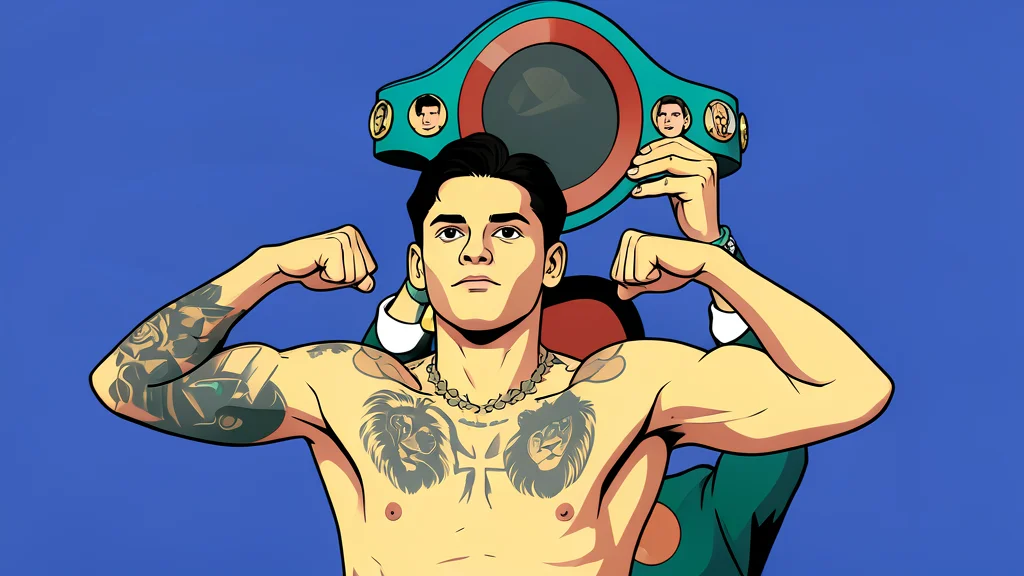
This explains the strategic pivot toward Ryan Garcia. White recognizes that Garcia’s social media empire is a direct line to the generation boxing has lost. His value lies not in his punching power, but in his reach. He is a key that unlocks a door that has been locked for years. However, a single star cannot save a sport. Garcia can bring viewers through the entrance, but Zuffa must provide a reason for them to stay. The goal is to transform isolated bursts of interest into a daily habit. It requires regular cards, transparent rankings, and a narrative that connects one event to the next. The challenge is to turn a spectacle into a routine.