Inoue Avoids Espinoza, Targets Junior Bantamweight Bam
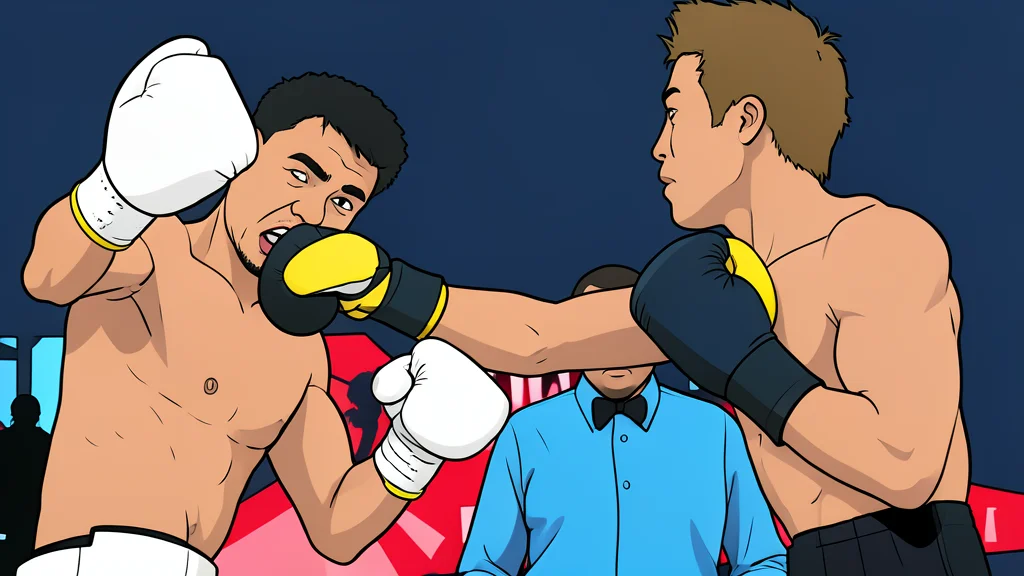
Naoya Inoue is crafting a legacy exit strategy, bypassing the physical threat of Rafael Espinoza to face a smaller, safer opponent.
The air in the gym hangs heavy with the scent of old leather and sweat, a sensory backdrop to a career calculated with surgical precision. Naoya Inoue does not fight like a man hunting glory; he moves like an architect inspecting a blueprint. Every step is measured, every punch a deliberate choice in a larger design. He is not chasing a title belt, but a narrative, one where the finish is as controlled as the beginning.
At thirty-two, the undisputed champion stands at the crossroads of ambition and survival. He speaks of legacy, of legacy, of the weight of history, yet his path curves away from the true danger. The target on his radar is not the giant lurking in the shadows, but a smaller, more manageable figure. It is a choice that reveals more about fear than ferocity, a quiet retreat dressed in the language of strategy.
Choosing Safety Over Danger
Jesse “Bam” Rodriguez, a twenty-four-undefeated junior bantamweight, becomes the centerpiece of this calculated move. Dragging him up two weight divisions to super bantamweight offers Inoue a built-in size advantage, a cushion against the unexpected. Bam is a natural at the lower weight, a fighter who thrives in the tight spaces. For Inoue, this is not a challenge; it is a curated performance, a way to claim victory while minimizing the risk of true exposure.
The alternative, Rafael Espinoza, looms like a storm cloud on the horizon. At six feet one, the WBO featherweight champion is a physical monster, a fighter who punches downward and controls distance with an iron will. Espinoza does not surrender leverage, and he does not respect the inflated egos of smaller men. He is the nightmare scenario, the one fight that could unravel the carefully woven tapestry of Inoue’s career.
The Weight of True Courage
Calling out a smaller fighter is not bravery; it is convenience. True courage would demand an immediate date with the giant, a test of power against power, of skill against raw force. Espinoza represents a genuine threat, a fighter who will not be bullied by a man accustomed to dominating blown-up bantamweights. Inoue’s avoidance of this confrontation speaks volumes about his priorities, placing brand preservation above the pursuit of greatness.
Inoue’s strategy is a masterclass in risk management, a dance around the edge of potential failure. He is not running toward danger; he is running toward the exit, hand-picking targets that allow him to maintain his unblemished record. The public sees a champion hunting legacy, but the reality is a man protecting his commercial brand. It is smart business, not daring heroism, a choice that prioritizes the future over the present.
Planning the Final Chapter
Inoue has handed veto power to his father, Shingo, and promoter Hideyuki Ohashi, a move that underscores his desire for a controlled exit. He wants to retire while he is still good, while the brand is still strong. This is not a lack of confidence; it is a strategic withdrawal, a way to ensure that his final chapter is written on his terms. The gloves will hang up, but the legacy will remain intact, a testament to a career curated with meticulous care.
As reported by GN sports/boxing, this is the modern reality of top-tier boxing, where image often outweighs intensity. Inoue is mapping out a soft-landing exit, avoiding the physical decline that catches many fighters unprepared. He is not afraid of the fight; he is afraid of the aftermath, of the narrative shifting from triumph to tragedy. In the end, it is not about who he beats, but how he leaves the stage, a final bow in a play he has been directing since the first bell.