Arch Manning's Apology and the Digital Aftermath

A brief comment on a fake clip ignited a firestorm, forcing a quick apology and raising questions about institutional response.
The grass at Darrell K Royal Stadium still smelled of cut turf and summer heat when the first sparks flew. It was a quiet moment after a loud victory, the kind where breath hitches and eyes dart to the next target. Then the digital noise arrived, loud and sharp, turning a casual exchange into a national spectacle. The air grew heavy with expectation, a static charge that hummed beneath the surface of the celebration.
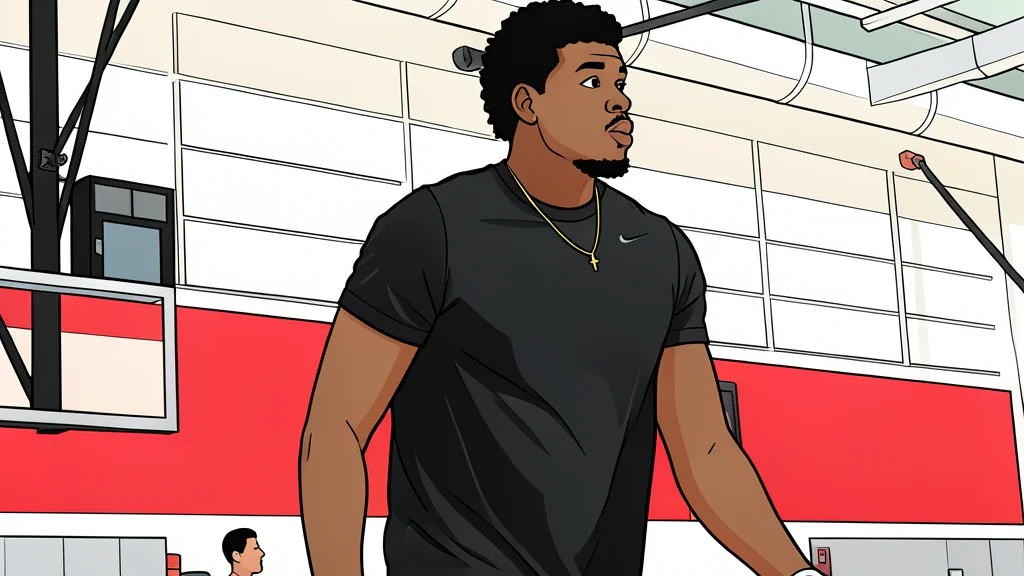
Arch Manning stood in the center of that storm, his posture relaxed, his voice light. He was joking about a video that never happened, a phantom slap that existed only in the minds of anonymous creators. The humor felt natural, a release of tension after the biggest win of his career. But the cameras were rolling, and the words hung in the air, suspended and undeniable, waiting for the wind to change direction.
The Spark That Ignited the Storm
The incident began with a simple question that went unanswered. Steve Sarkisian, the head coach, turned away from the microphone, his focus already shifted to the players celebrating behind him. The reporter, Holly Rowe, stood still for a moment, the silence stretching thin and uncomfortable. She walked away, her face set in a line of professional disappointment. It was a minor friction, easily overlooked in the chaos of a post-game crowd, but it left a residue that would soon catch fire.
Days later, the internet filled with edited clips. These were not recordings of reality but constructions of fiction, crafted to provoke and punish. The images showed violence that never occurred, a slap that never landed. Social media platforms amplified these fictions, stripping them of context and truth. The reaction was visceral and immediate, a wave of outrage crashing over the program. The distinction between fact and fabrication dissolved in the heat of the debate.
Manning, caught in the crossfire, reacted with a casual remark. He called the fabricated video hilarious, a joke among friends in a press conference room. The comment was innocent in intent but catastrophic in effect. It trivialized the very act of violence that the fake clip depicted. The room went quiet, the laughter dying in the throats of those who had heard it. The moment was captured, preserved, and then unleashed into the void.
A Public Apology and Private Grace
The backlash was swift and unforgiving. Headlines screamed, and the narrative solidified into a story of insensitivity. Manning realized the weight of his words, the way they landed on people who had been hurt by such imagery before. He posted a message on social media, his tone shifting from playful to solemn. He acknowledged the hurt, the insensitivity, and the impact. The apology was direct, stripping away any excuses or justifications.
Rowe responded with a grace that surprised many. She accepted his apology, choosing to move forward with respect rather than lingering in resentment. Their conversation remained private, a quiet resolution to a loud dispute. The public saw the final statement, but the private exchange carried the true weight of the reconciliation. It was a moment of maturity, a recognition that people can be wrong and still be forgiven.
The Institutional Gap in Response
Yet, the story raises a deeper question about leadership and timing. Texas athletics officials had the power to intervene earlier, to address the growing narrative before it exploded. They chose to wait, to let the player handle the fallout individually. This passive approach allowed the crisis to escalate, forcing Manning to stand alone in the storm. The institution’s silence was a choice, one that added fuel to the fire rather than extinguishing it.
The incident highlights a broader disconnect in how organizations handle digital crises. In a world where images can be fabricated and spread instantly, the old rules of media management no longer apply. The speed of the internet demands a different kind of response, one that is proactive rather than reactive. The failure to act sooner left the most vulnerable member of the team exposed, bearing the brunt of a situation that could have been managed better.