Arch Manning Apologizes for Joke About Fake Violence Video
The laughter in the room faded fast once the clip hit the internet. Now, the number one quarterback is taking a hard look in the mirror.
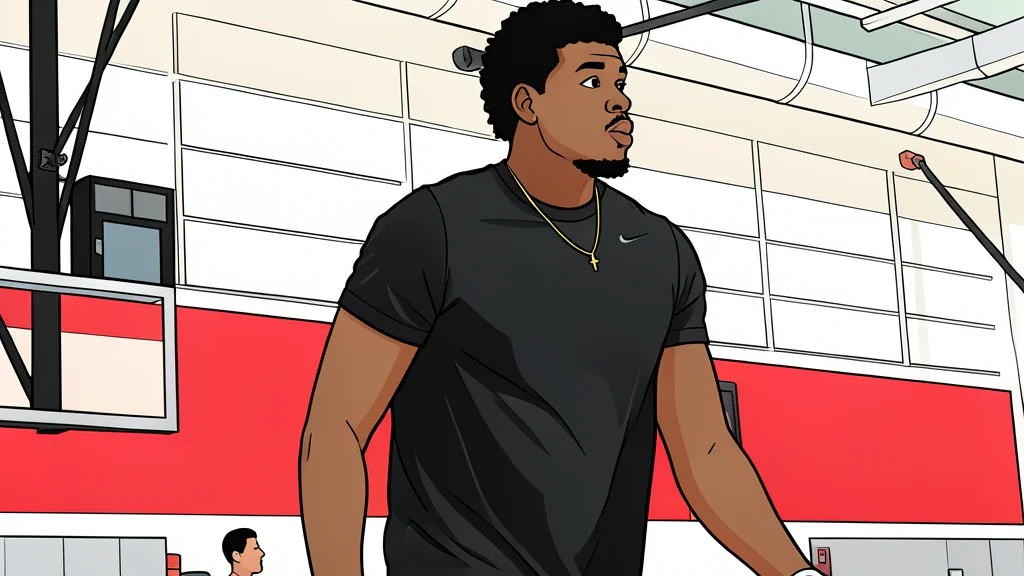
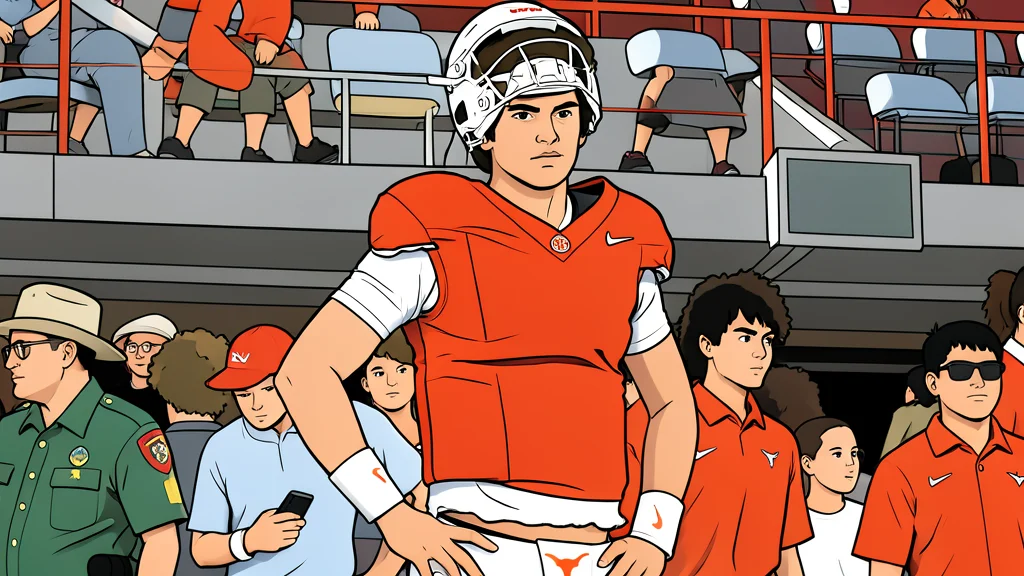
The air in the Austin press room was thick with the dust of victory, the kind that settles after a team vaults from fourth to first. Arch Manning sat near the front, smiling, the weight of a national ranking still fresh on his shoulders. When a question about social media chatter landed, he leaned back, his face breaking into a grin. He called a circulating video "hilarious" and laughed, a sound that bounced off the white walls and joined the chuckles of teammates around him. It was a moment of casual camaraderie, a shared joke among winners, but the echo of that laughter would soon stretch far beyond the room, turning into a chorus of criticism that cut through the celebration.
The clip in question was a digital fabrication, a deepfake showing coach Steve Sarkisian striking ESPN sideline reporter Holly Rowe. It was a grotesque distortion of reality, a violent act that never happened, yet it spread with the speed of wildfire across digital platforms. Manning’s public dismissal of the content as funny struck a nerve, transforming a minor postgame anecdote into a significant cultural stumble. The nephew of Peyton Manning, a brand ambassador for global giants like Red Bull and Google Gemini, found himself in the crosshairs for trivializing violence against women. The contrast between his elite status and the crudeness of the joke created a jarring dissonance that refused to fade.
A Personal Reckoning in Public View
By Tuesday, the mood had shifted from amusement to accountability. Manning took to Instagram, the text stark against the white background, to dismantle his earlier carefree demeanor. He admitted his comment was insensitive, stripping away any pretense of good intentions. "There is nothing funny about it," he wrote, the words heavy with the gravity of his mistake. He acknowledged the hurt his words caused, refusing to hide behind a claim of misunderstanding. This was not a PR maneuver, but a direct confrontation with the impact of his actions, a recognition that his words had weight, and that weight had crushed something delicate in the public eye.
He directed his apology specifically to Holly Rowe, recognizing her personal experience with the fallout. He expressed deep respect for her grace, a nod to the dignity she maintained while navigating the storm. "I need to do better," he concluded, a promise that rang with the sincerity of a man who realized the gap between his intent and the outcome. It was a moment of humility for a player accustomed to the spotlight, a rare instance where the star stepped back to let the victim of his joke take the center stage.
Rowe Responds With Grace and Resolve
Holly Rowe did not let the moment pass in silence, nor did she let it fester. She posted a statement on X and Instagram, her tone calm and measured. She thanked Manning for the apology, confirming they had spoken privately. "Apology accepted," she wrote, a phrase that carried more power than any rebuttal could. She emphasized moving forward with respect and kindness, setting a standard for the conversation that transcended the immediate conflict. It was a display of professional maturity that contrasted sharply with the virality of the initial incident, suggesting that human connection could still prevail over digital noise.
The exchange highlights a broader trend in sports, where digital content and its misuse are reshaping reputations. Just last month, another brand lost its sponsorship over a video depicting violence toward a woman. The pattern is clear: audiences are no longer passive consumers of sports entertainment; they are active guardians of dignity. Manning’s misstep and subsequent correction serve as a case study in how quickly a joke can become a liability, and how swiftly an apology can restore balance, if it is sincere and specific.
The Real Context Behind the Fake Clip
To understand the fabrication, one must look at the reality it twisted. The original interaction between Sarkisian and Rowe was not violent, but it was testy. Technical glitches had delayed the coach’s halftime interview, leaving him irritable. When Rowe approached him during the chaotic postgame celebration, the coach shouted "Texas fight!" and "Hook'em!" before walking away. It was a moment of professional friction, a clash of schedules and personalities, but nothing more. The deepfake took this mundane, if slightly abrupt, exchange and injected a layer of malice that did not exist, creating a narrative of aggression where there was only impatience.
As the Texas Longhorns prepare to face UTSA at home, the shadow of the controversy lingers, but the focus returns to the field. Manning’s journey from public mockery to private reflection mirrors the team’s own rise to the top. They are now number one, a title earned through performance, not through the manipulation of images. The microphone stands remain on the grassy fields, waiting for the next interview, the next question, and the next moment that will define the legacy of a generation of players. The story of the fake slap is over, but the lesson of real respect continues to play out in every interaction, every word, and every action.