Austin Crowd Erases Cruz Voice on GameDay
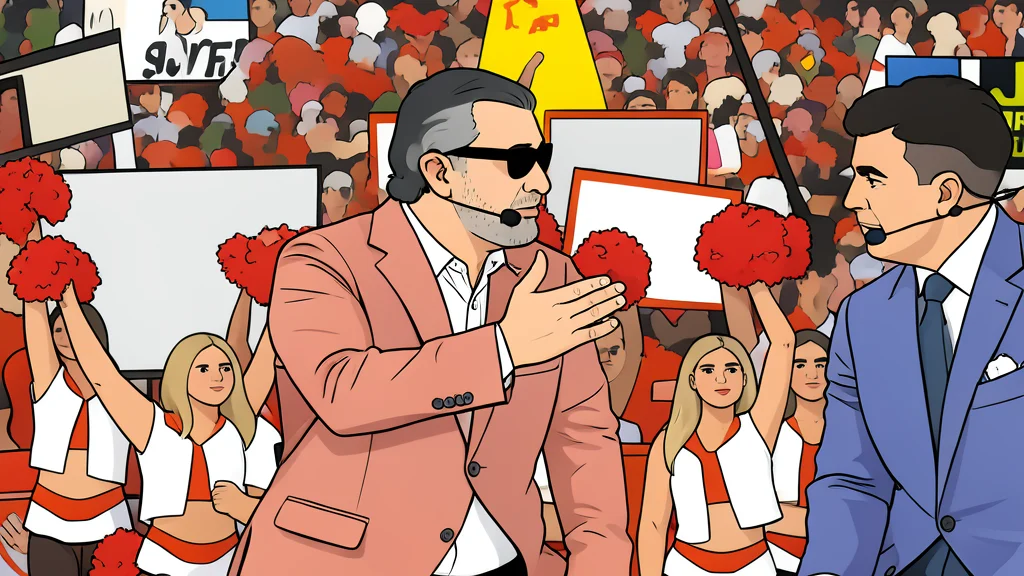
The roar in Austin was not for the football; it was a sonic wall built to erase the senator's words.
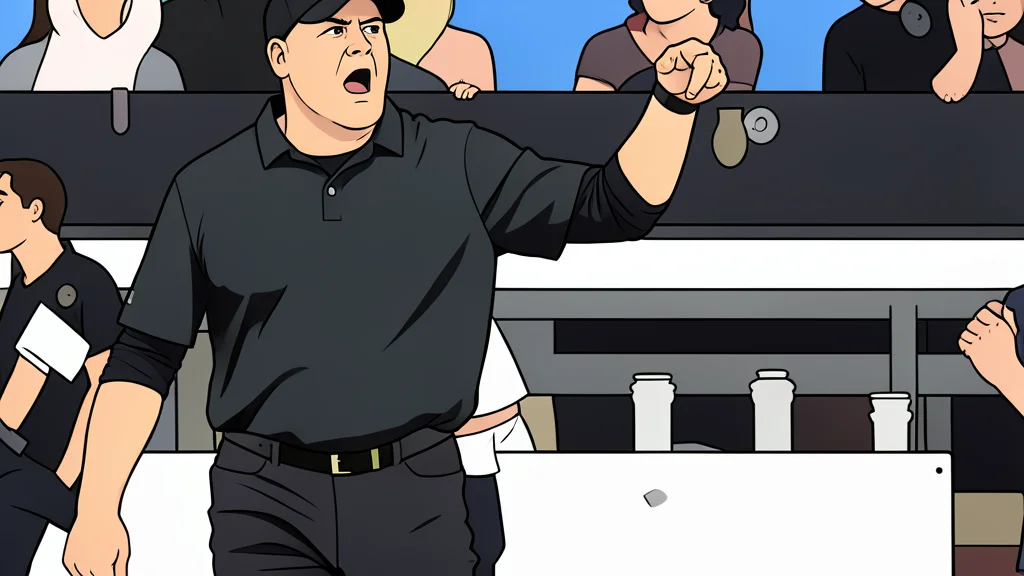
The air in the Texas stadium hangs thick with humidity and static electricity. Under the blinding white glare of the floodlights, the crowd is a single, breathing organism. Then the feed cuts to the broadcast booth. The noise does not drop. It spikes. A low, resonant hum rises from the stands, vibrating through the concrete bowl, swallowing the microphones before they can catch a syllable.
Ted Cruz, dressed in a burnt orange suit that looks like a costume on a stage, leans into the microphone. He is here to discuss the Protect College Sports Act, a legislative framework for athlete compensation. But the words dissolve into the void. The Longhorns faithful do not offer silence. They offer a chorus. "Ted, you suck." The chant is rhythmic, relentless, and loud enough to drown out the host's questions. It is not a protest of policy. It is a rejection of presence.
A Decade of Bad Luck
This is not the first time the senator has walked onto a field in Texas. Since 2013, Cruz has attended dozens of events, from Longhorn football games to Astros baseball nights. The pattern is consistent. The team loses. The atmosphere turns sour. Fans blame the curse. They point to the Princeton and Harvard lineage, the political ideology, and the sheer volume of bad results that follow his arrival. The burnt orange suit was an attempt at camouflage, a bid to blend into the local identity. It failed. The crowd saw the man, not the costume.
The booing on September 12 was louder than the reactions to rival teams. Oklahoma and Ohio State fans, usually the targets of Austin’s hostility, received a fraction of the volume. The anger was specific. It was personal. The crowd did not want to hear about NIL standards. They wanted to feel the power of their disapproval. The sound was a physical force, pushing back against the broadcast signal.
Broadcast Friction and Media Bias
The incident sparked a debate on social media that extended beyond the stadium walls. Critics noted the irony of the situation. On one side, a liberal city in Texas unleashing political fire on a conservative senator. On the other, accusations that the left is too sensitive to similar treatment. The narrative fractured along partisan lines, with each side claiming the other was out of touch. But the immediate reality in the stadium was simpler. The fans were loud. The senator was quiet.
Yahoo Sports highlighted the contrast in media handling. While ESPN aired the interview with Cruz, other outlets faced different constraints regarding political figures. This disparity added a layer of frustration for viewers who felt the platform was selective. The debate shifted from the content of the interview to the mechanics of its broadcast. Who gets a voice? Who gets silenced? The question hung in the air, unanswered, as the boos continued to ripple.
The Vibe on the Forty Acres
For the people in the stands, the moment was a release. It was a chance to vent frustration at a figure they feel has done more harm than good to their state’s sports culture. The chants were not just noise. They were a ritual. A way to assert control over a narrative that had been imposed on them. The energy in the stadium shifted from anticipation to aggression. The game was about to start, but the real conflict had already been decided. The crowd had won. Their voice was the loudest thing in the room.
As the broadcast cut away, the sound remained. The echo of "Ted, you suck" bounced off the stadium walls, a testament to the power of the collective. It was a reminder that in sports, politics rarely stays out of the picture. It bleeds in. It shapes the experience. And in Austin, that shape is defined by the roar of the people who pay to be there, and the men they refuse to hear.