Boos Drown Out Cruz in Austin Stadium
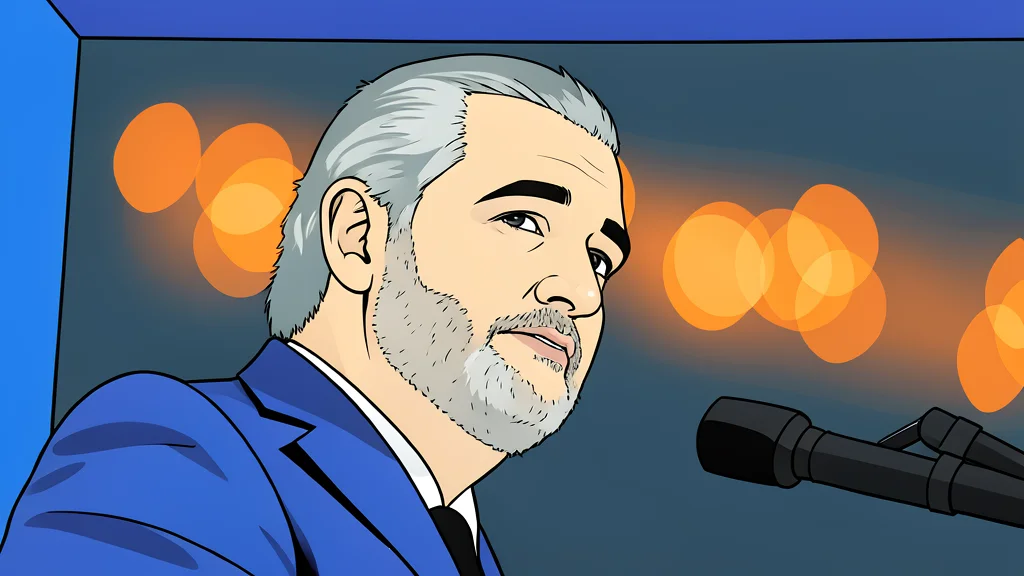
At Austin Stadium, Senator Ted Cruz found his message on the Protect College Sports Act completely overshadowed by a hostile crowd, with the sustained boos rendering his words nearly inaudible.
The air in Austin crackled with a tension that had nothing to do with the football on the field. Senator Ted Cruz, co-sponsor of the Protect College Sports Act, stepped into the pregame spotlight for 'College GameDay,' only to find the crowd turning its back. What was meant to be a legislative pitch became a physical confrontation with the atmosphere itself. The noise did not fade; it surged, a wall of sound that swallowed his words whole.
Chants of "Ted, you suck" rolled over the seats, rhythmic and relentless. For nearly ten minutes, the senator spoke into a void of disapproval. The boos were not mere background noise; they were a deliberate rejection, vibrating through the stands where fans had gathered to watch No. 1 Ohio State face No. 4 Texas. The legislative agenda dissolved under the weight of the crowd’s immediate, visceral opposition.
Legislative Stakes in the Senate
Despite the hostility in the stands, the political machinery grinds forward. The Senate is set to vote on the bill next week, a timeline accelerated after delays during the summer recess. Passing requires sixty votes, a threshold that Cruz claims he is "very, very high" on. President Donald Trump has signaled his support, promising a signature if the bill clears both chambers. The path is fraught, but the momentum behind the legislation remains stubborn.
The bill itself is a sprawling 230-page document seeking to tame the chaos of modern college athletics. It caps agent fees at five percent, mandates state registration for representatives, and grants student athletes one transfer without losing eligibility. These provisions aim to replace the current ad-hoc environment with federal guardrails, a structural overhaul that polarizes stakeholders from coaches to legislators.
Bipartisan Friction and Digital Wars
The support is not monolithic. While Senator Maria Cantwell (D-Wash.) stands alongside Cruz, Senator Chris Murphy (D-Conn.) has emerged as a loud critic. The conflict has spilled into the digital arena, where Murphy clashed publicly with Texas Tech board president Cody Campbell. Campbell is funding television ads featuring high-profile coaches like Nick Saban and Deion Sanders to sell the bill’s benefits, a strategy that has only sharpened the opposition’s rhetoric.
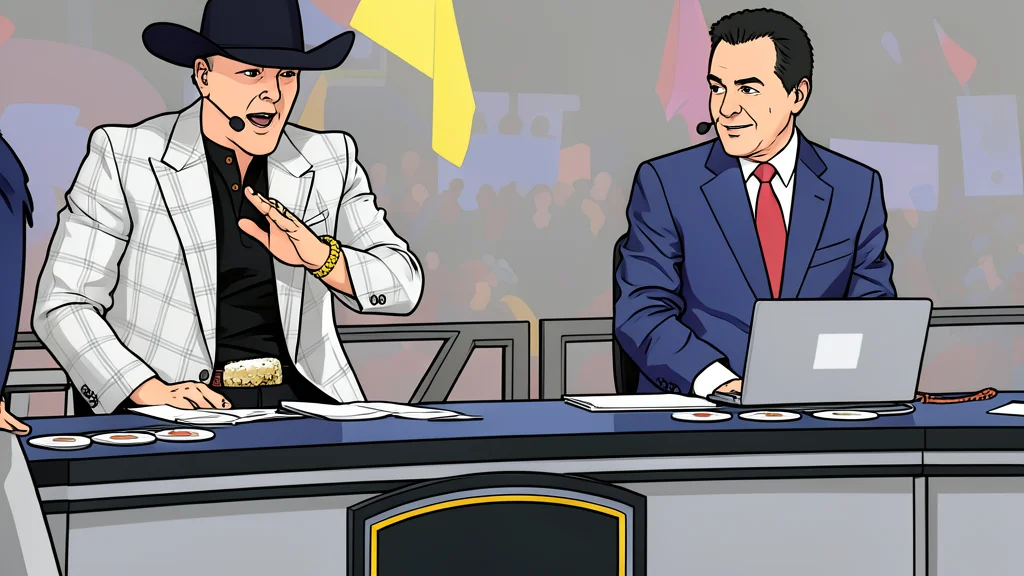
This week’s segment on 'College GameDay' marked the second consecutive broadcast pushing the legislation. Last week, hosts Nick Saban and Pat McAfee discussed the bill’s merits. Now, with the Senate vote looming, the pressure on proponents to defend the measure is mounting. The crowd in Austin offered no solace, serving as a stark reminder that legislative ambition often collides with local sentiment.
NIL Chaos Drives the Push
The driver behind this legislative surge is the Name, Image, and Likeness landscape. What began as compensation for autographs and video game appearances has mutated into a yearly bidding war for recruits and transfers. The Protect College Sports Act seeks to impose order on this frenzy, prohibiting institutions from restricting NIL agreements beyond specified limits. It also bars revenue-sharing schemes that circumvent the new caps, aiming to protect the integrity of the sport from financial overreach.
As reported by Yahoo Sports, the scene in Austin captured the raw emotion surrounding this shift. The stadium lights did not dim, but the political landscape flickered. The senator’s confidence may be high, but the noise in the stands suggests the battle for public opinion is far from settled. The football game proceeded, but the real contest was fought in the air, between a lawmaker and the people he seeks to represent.
Crowd Noise Overwhelmed Cruz's Message
A second account of the event confirms that the atmosphere at Austin Stadium was far more hostile than previously detailed. While Cruz attempted to advocate for the Protect College Sports Act during his live segment, the volume of disapproval from the spectators was so intense that it effectively erased his voice from the proceedings.
Witnesses noted that the senator’s words were barely audible beneath the continuous wave of boos. This level of auditory interference suggests that the crowd’s rejection was not merely a background murmur, but a deliberate and overwhelming attempt to drown out his political messaging entirely.