Kiffin's High-Stakes Exit: The Road from Oxford to Baton Rouge

The SEC's balance of power shifted not with a bang, but with a series of quiet calculations and public deflections that culminated in a historic coaching swap.
The air in Oxford, Mississippi, hangs thick with the scent of cut grass and old grudges. It is a tension that has simmered for months, a pressure building beneath the surface of the SEC’s most storied rivalry. Lane Kiffin stands on the precipice of a decision that will redefine his legacy, the weight of two programs’ histories pressing down on his shoulders like a physical force.
For years, he was the architect of a rebellion, transforming a program into a national contender. Now, the choice is between staying in the state that made him a hero or moving to a place that demands he become a legend. The stakes are not just about wins and losses, but about the very architecture of power within the conference.
The Quiet Calculus of Recruitment
In a press conference, the words flow with careful precision. Kiffin speaks of stadium sizes and recruiting pipelines, outlining the invisible advantages that larger programs hold. It is a revelation that cuts through the noise of the season, exposing the raw mechanics of college football. He acknowledges that talent flows toward tradition, toward the promise of Heisman trophies and national championships.
This is not a confession of weakness, but a map of reality. The decision is not made in a boardroom, but in the minds of recruits who see the scale of what is possible. Kiffin’s words suggest a man weighing the tangible against the intangible, the present against the potential.
A Bidding War in the SEC
The move was triggered by a cascade of firings. Billy Napier’s departure opened a door in Gainesville, but it was Brian Kelly’s exit that created the true vacuum. The two programs, rivals in every sense, now compete for the same mind. It is a bidding war that transcends the sport, a clash of institutional egos and future visions.
Kiffin navigates this landscape with a calm that masks the turmoil. He deflects rumors, denies interest, and then, in a moment of private candor, reveals the true nature of his deliberations. The choice is not about money, a point he makes clear in a public interview. It is about the challenge, the scale of the mission, and the desire to lead a powerhouse.
The Pariah’s Homecoming
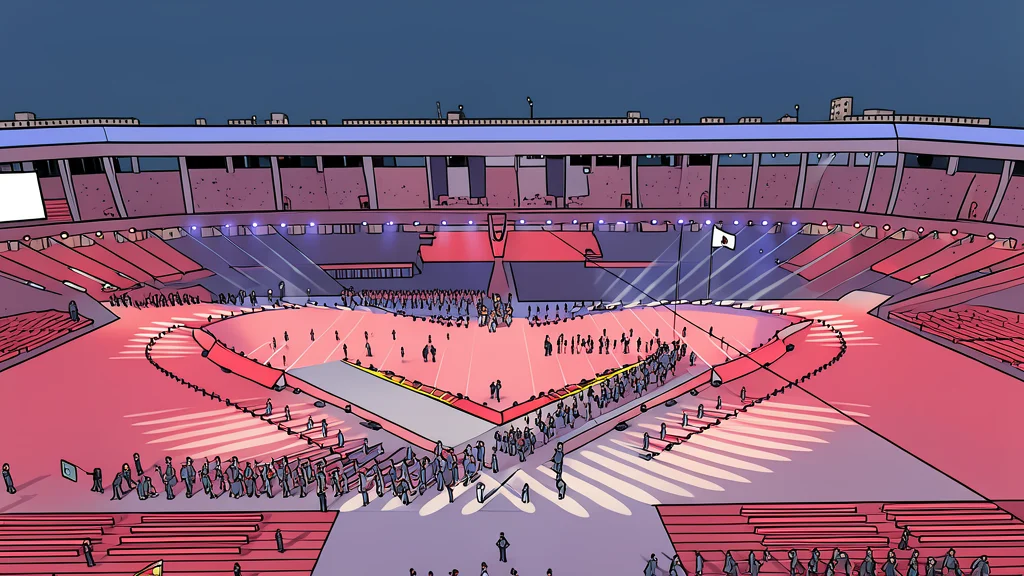
Now, the tables have turned. The hero is gone, replaced by a figure who embodies the betrayal felt by the fanbase. The stadium, once a cathedral of praise, now holds a different kind of energy. It is a scene rarely seen in the history of the sport, a collision of past glory and present resentment.
As the teams line up, the air is electric with anticipation. This is not just a game, but a reckoning. Kiffin’s decision has tipped the balance of power, and the consequences will be felt for years to come. The story of his departure is not just a footnote, but a chapter in the ongoing saga of the SEC.