Smith Pushes Back Against ESPN Unity Claims
Stephen A. Smith rejects the narrative of total network consensus, insisting that individual dissenters exist within ESPN's ranks regarding the Protect College Sports Act.
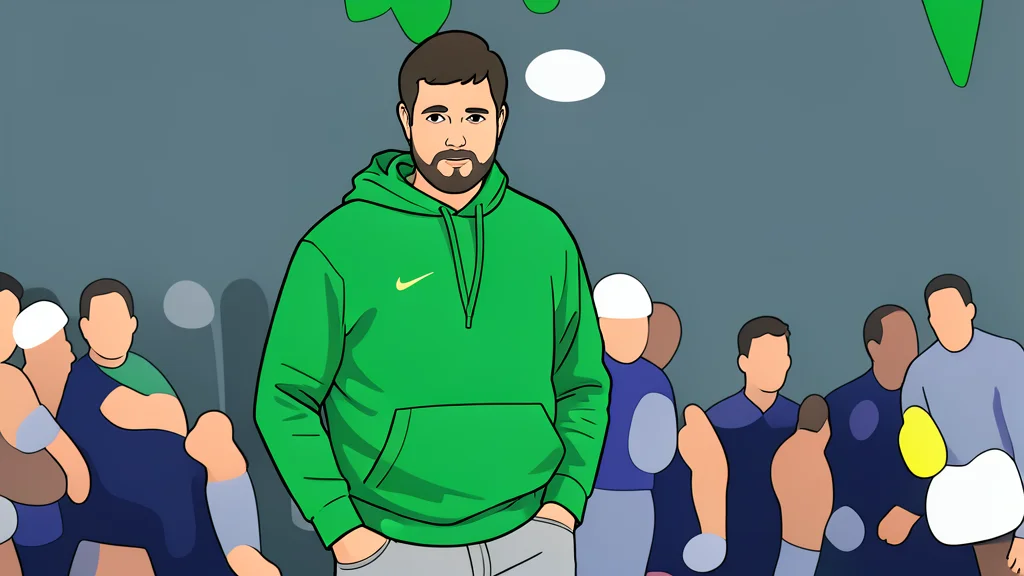
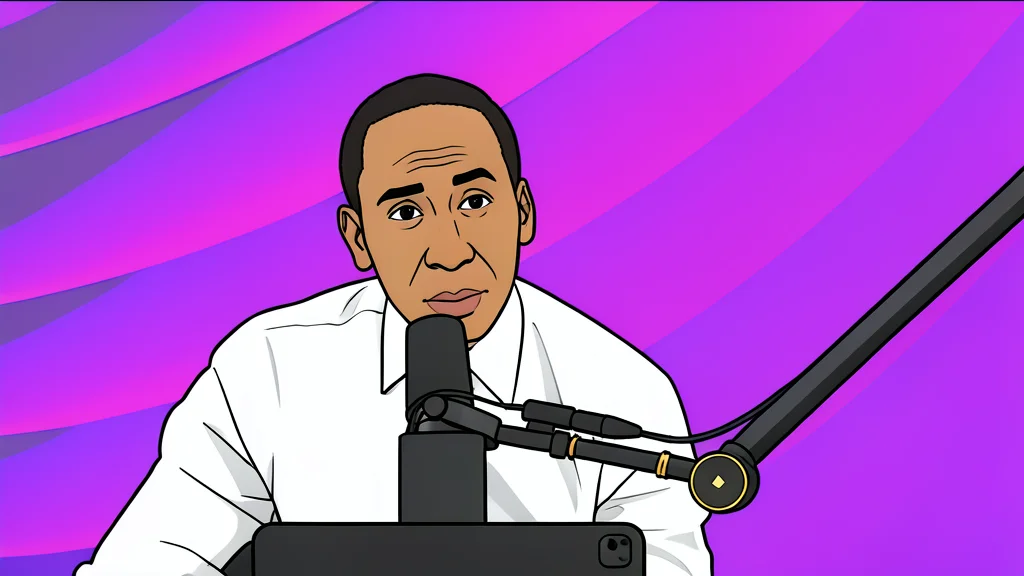
The air in the studio hums with a specific, low-frequency tension. Stephen A. Smith leans into the microphone, his voice cutting through the silence of the SiriusXM broadcast with sharp, deliberate edges. He is not merely disagreeing; he is dismantling a premise that feels like it has been plastered over the industry's forehead. The narrative that every employee at ESPN marches in lockstep behind the Protect College Sports Act feels heavy, suffocating, and fundamentally wrong to him. It is a blanket statement that ignores the texture of individual thought within the building.
This friction sparks from a specific headline published by Pro Football Talk’s Mike Florio. The article, titled “ESPN continues its not-so-subtle advocacy for the Protect College Sports Act,” landed over the weekend like a stone in a still pond. It followed a weekend where the network’s support became loud and visible, driven by appearances from Nick Saban, Pat McAfee, and even Senator Ted Cruz on the College GameDay set. To the outside world, the volume suggested a singular, unified throat. Smith hears something else entirely.
Rejecting the Monolith Narrative
“I hate when people do that,” Smith says, the words landing with the weight of a hammer strike. He points directly at the implication that the entire network is a monolith. “What do you mean ESPN's not-so-subtle advocacy? There's a whole bunch of people at ESPN that doesn't necessarily advocate for the Protect College Sports Act.” He pauses, letting the silence do the work, before adding, “You're looking and listening to one of them right now.” It is a direct, physical assertion of his own position against the perceived tide. He is not down for the overall act, despite acknowledging that some modifications in the college sports landscape are necessary.
He draws a parallel that feels both logical and pointed. He refuses to accept that his daytime job defines the political or philosophical stance of every person in the building. “I don't look at NBC and automatically assume that everybody at NBC feels the way Mike Florio does,” he argues. The comparison strips away the special status of the network in this debate. It is a workplace, not a political body, and the diversity of opinion within it should be respected rather than flattened into a single, convenient headline for external consumption.
Collective Bargaining Over Legislation
The core of Smith’s objection is procedural as much as it is political. He believes caps on transfers and compensation are necessary, but the mechanism for enacting them is where the fight lies. He does not want Congress writing the rules for a professional ecosystem. Instead, he champions the power of collective bargaining. This view was reinforced during a segment with Charles Grantham, the first executive director of the National Basketball Players Association. Grantham’s presence underscored the argument: players and their representatives should negotiate their own terms, not have them legislated into existence from the outside.
“What's shocking to me about all this is there seems to be a push for this Protect College Sports Act to be invoked and implemented before you collectively bargain, why?” Smith asks, the question hanging in the air with genuine bewilderment. The urgency to pass the bill feels rushed, bypassing the natural, negotiated evolution of labor relations. It is a shortcut that he finds intellectually and practically unsound, a legislative leap that ignores the complex machinery of player rights and agency.
Dissent in the Digital Arena
Smith has used his digital platforms to push back, hosting figures like Chris Murphy to challenge the bill’s premise. Yet, he has not wielded the same force on his ESPN show to counter the advocacy seen on College GameDay. This discrepancy highlights a strange imbalance within the network’s own coverage. If First Take were pushing the need for collective bargaining with the same fervor that GameDay promotes the act, the perception of unanimity might shatter. The silence on one side allows the noise on the other to define the entire institution.
The situation remains a standoff between perception and reality. For Smith, the error lies in the assumption of unity. He is a single voice in a chorus that he claims is more dissonant than the headlines suggest. The debate over the Protect College Sports Act continues to rage, but within the walls of ESPN, the war is not just against the bill, but against the idea that the network speaks with only one mouth. The gavel has not fallen, and the arguments are far from over.