Pete Sampras Returns to the US Open via a Commercial
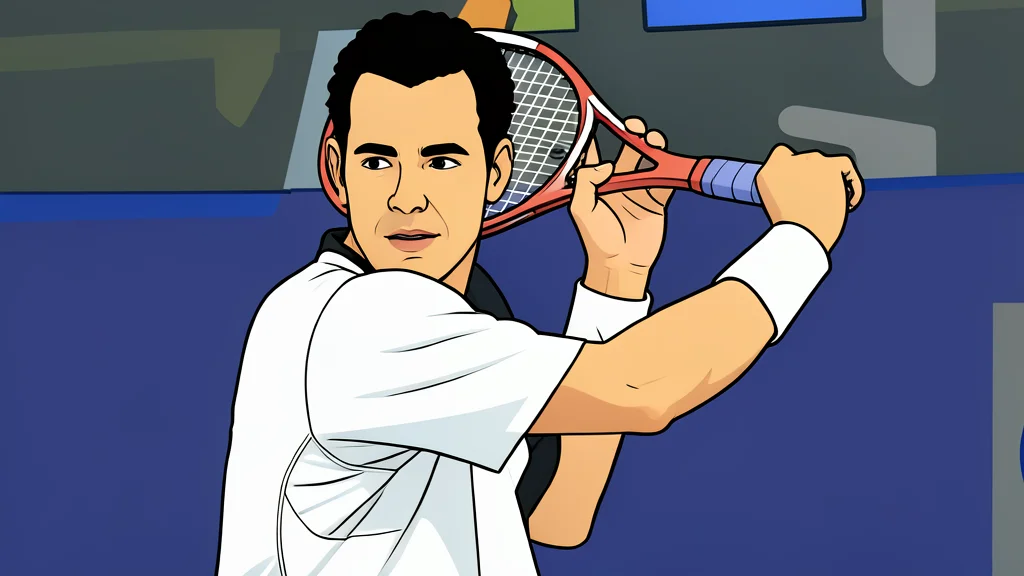
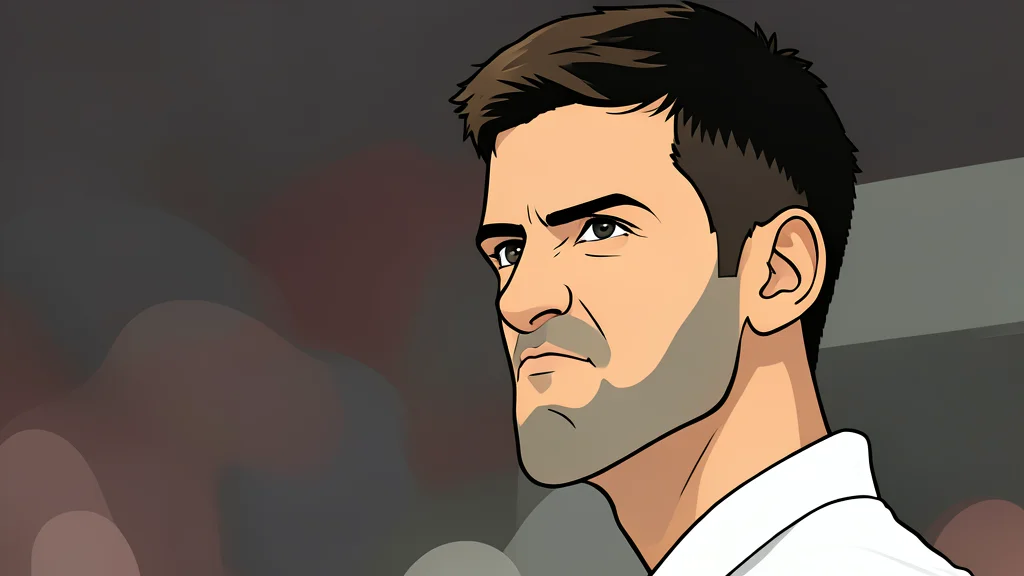
The silence that followed Pete Sampras's final match in 2002 finally broke, not with a serve, but with a voiceover echoing across the Arthur Ashe Stadium screens during the 2026 US Open.
For two decades, the air around Pete Sampras has been still. Since his final career swing at the 2002 US Open, he has retreated into a quiet life with his wife, actress Bridgette Wilson, raising their family far from the glare of stadium lights. The world saw him briefly in the late 2000s for exhibition matches and World Team Tennis, but those appearances were like ripples in a lake that quickly smoothed over. He became a ghost of the game, a memory rather than a presence.
That stillness shattered last week. Sampras did not step onto the blue clay of the main courts, nor did he stand in the crowd with a towel around his neck. Instead, he resurfaced in a way that felt disjointed from his legacy. He narrated a commercial for Kalshi, the official prediction partner of the 2026 US Open. His voice, calm and measured, drifted through the arena as a digital ad, a stark contrast to the thunder of his former serves.
A Voice in the Prediction Market
The irony is thick enough to taste. Sampras, a man who defined dominance through sheer physical power and tactical precision, now lends his name to a platform where outcomes are calculated by algorithms and odds. Prediction markets did not exist during his peak. In the 1990s, the question was never whether Sampras would win; the only variable was how many sets he would take. To see him associated with the uncertainty of betting markets is a shift that feels alien to his era.
His legacy, once untouchable, has been subtly eclipsed by the trio of Novak Djokovic, Roger Federer, and Rafael Nadal. Each of those three amassed twenty or more Grand Slam titles, a milestone that stretches the narrative of greatness beyond the American’s fourteen. Yet, Sampras remains the pioneer of the modern big server, a lineage that flows through Andy Roddick and now Ben Shelton. He is the root from which the current generation of power hitters grows.
Fans Miss the Court Presence
The reaction from the tennis world is a mix of surprise and mild disappointment. Fans would rather see Sampras on or near the court, echoing the recent visibility of Andre Agassi. There is a longing for him to be a coach, a media voice, or at the very least, the one to hand over the Grand Slam trophy. A commercial is a transaction; a presence on the court is a connection.
It is unclear what motivated Sampras to return to the public eye as a paid endorser. Was it financial need, a desire to stay relevant, or simply a chance to speak about the game he loved? The answer remains hidden behind the curtain of his private life. What is clear is that the silence is over. The ghost has spoken, and it was through a screen.
The Legacy of the Serve
Sampras’s influence is undeniable. He changed the geometry of tennis, pushing the service line back and demanding that opponents hit the ball with more authority. His style was a blueprint. When Ben Shelton fires a serve down the T, he is inheriting a tradition that Sampras helped forge. The commercial may be a brief interruption in his long absence, but the impact of his game remains etched into the very structure of the sport. He is not just a name in a list of winners; he is a standard.
As the 2026 US Open draws to a close, the memory of Sampras’s voice will fade from the arena speakers. But the image of the white ball resting on the blue hard court remains. It is a symbol of the game he mastered, a game that continues to evolve without him. He may be gone from the spotlight, but his shadow is still long.