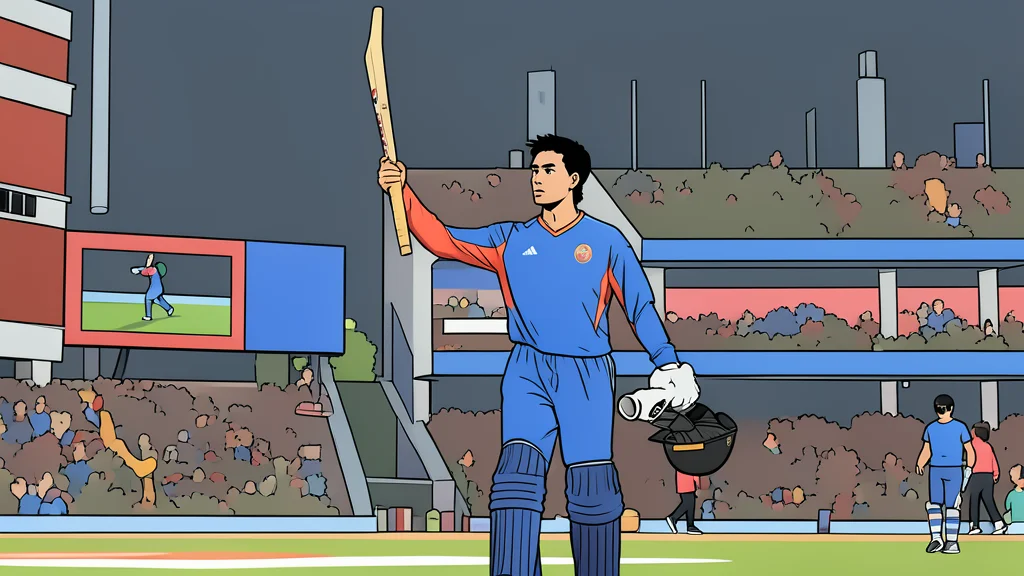
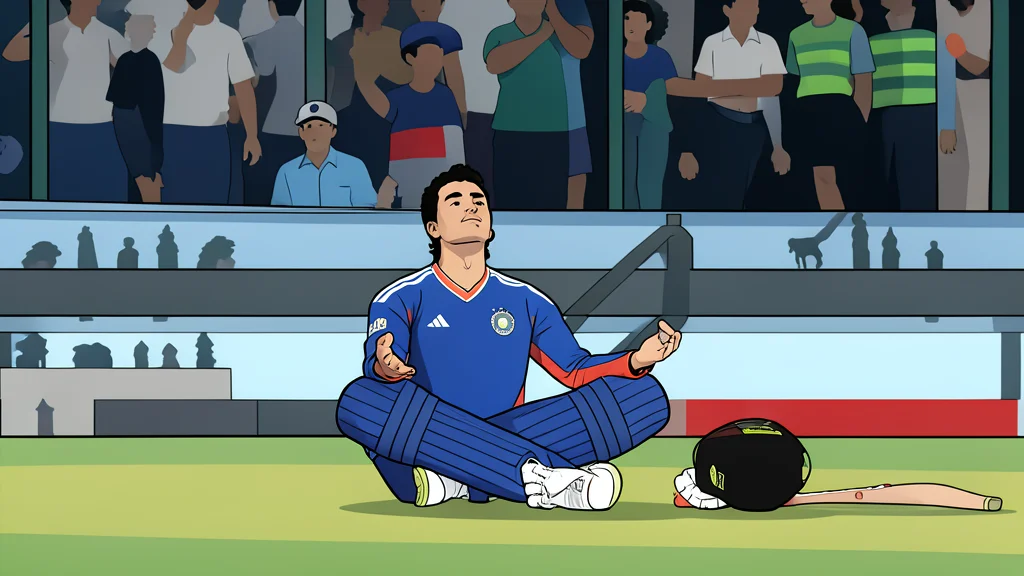
Shadow of the Unclaimed Trophy Looms over Asian Games Cricket
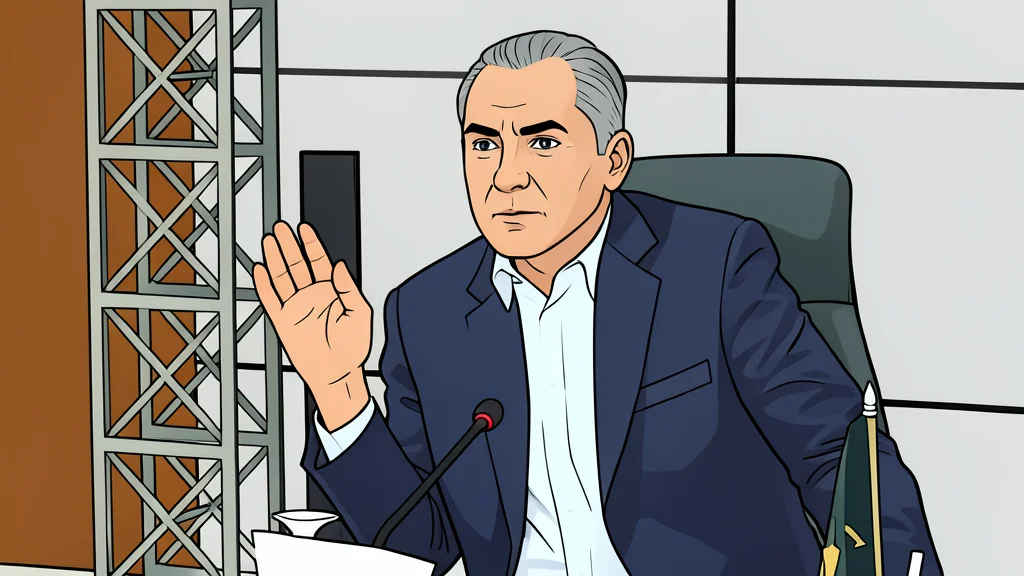
The gold medals remain unclaimed, a physical reminder of a diplomatic standoff that now threatens to spill over into Japan’s autumn.
The trophies sit in a locker, untouched. They are heavy with expectation and cold with neglect, the physical symbols of a victory that India’s men and women have technically secured but diplomatically refused. The Asia Cup ended with a handshake that never happened, a prize that was never handed over, leaving the medals hanging in the air of a dispute that refuses to settle.
Now, the stage shifts to Aichi-Nagoya. The autumn air in Japan promises crisp conditions for cricket, but the atmosphere around the podium is already thick with tension. Both Indian squads are the heavy favorites, their dominance on the field a foregone conclusion. The only variable left is the person standing next to them when the gold is ready to be pinned to their chests.
The Weight of the Pending Award
Mohsin Naqvi, the ACC chairman and Pakistan’s interior minister, holds the key to this friction. He insisted on presenting the Asia Cup awards, a move that Indian players found unacceptable, leading to the current stalemate. According to reports from GN sports/cricket, this refusal to accept the prize was not a minor snub but a deliberate political stance. The medals remain in the hands of the organizers, a tangible burden of an unresolved conflict.
The question now is whether this scenario will repeat under the lights of the Asian Games. If Naqvi is present at the Korogi Sports Park, the tension will be palpable. The Indian teams are prepared to win, but they are not prepared to shake hands with a figure they view as a political obstacle. The air in the stadium will be charged, the silence before the ceremony deafening.
Regulations Dictate the Diplomatic Line
The rules of the game are rigid. Rule 66 of the Olympic Council of Asia manual is clear: the medals must be presented by the OCA president or their delegate. It is the prerogative of Sheikh Joaan bin Hamad Al Thani to choose who stands on the podium. If Naqvi is named, Indian athletes are expected to comply. Refusal is not just a protest; it is a disciplinary offense.
The manual is stark in its warnings. Any action deemed disrespectful to the Games or its representatives invites penalization. Disqualification, withdrawal of medals, and loss of accreditation are all on the table. The Indian Olympic Association sources are blunt: they cannot ask the OCA to exclude Naqvi. It is not an ICC tournament, it is the Asian Games. The hierarchy is different, and the consequences of defiance are severe.
A Calculated Wait for the Moment
Devajit Saikia, secretary of the BCCI, offers a guarded silence. He speaks of focusing solely on the matches, of reaching the podium first. The board’s stance is one of strategic ambiguity. They will not comment on what has not happened yet. They will cross the bridge only when they stand upon it. The players are focused on the ball, the pitch, the boundary rope.
Behind the scenes, however, the machinery is turning. The OCA and the Aichi-Nagoya organizers are coordinating closely with the ACC. Naqvi has been deeply involved in the preparation of the venue, his presence a constant in the background. Jay Shah, the ICC chairman, has his own role to play, having championed cricket’s inclusion in the Olympic family. The interplay of these figures creates a complex web of influence. The moment the gold is ready, the air will break. The decision will be made in real-time, with no room for retreat.