Japan's Digital Arena Takes the Stage
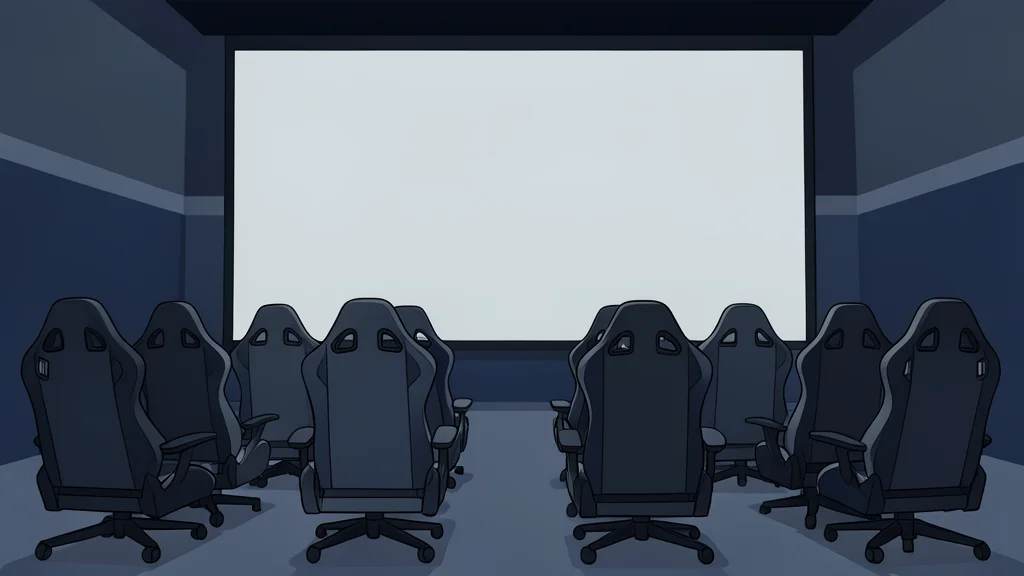
In the hush of a dimly lit arena, high-performance gaming chairs face a blank projection screen, waiting for the digital storm to break.
The air in the arena is still, thick with the static charge of anticipation. Rows of high-performance gaming chairs sit rigid, facing a large, blank projection screen that glows with a faint, sterile hum. This is not a stadium of sweat and turf, but a battlefield of light and logic. The Aichi-Nagoya Games are about to ignite, bringing esports back into the limelight not as a novelty, but as a medal-winning reality. The stage is set for a contest of reflexes, where the physical is replaced by the precise, and the audience holds its breath for the first click.
This is no longer a demonstration. Since its debut as a showcase in Jakarta-Palembang in 2018 and its elevation to official status in Hangzhou in 2023, esports has carved a permanent niche in the Asian Games. The upcoming event in Japan expands this footprint, featuring thirteen distinct titles across eleven events. It is a significant leap from the previous edition, signaling a maturation of the discipline. The lineup is steeped in local pride, showcasing the depth of the host nation’s industry. Titles like Fighter 6, Tekken 8, and Pokémon Unite will dominate the schedule, reflecting the strong hand of Japanese publishers in shaping the competitive landscape.
Japanese Titles Dominate the Lineup
Japan enters this competition with a specific mission. The nation will dispatch twenty-five players to contest nine titles across seven events. This is not merely participation; it is a display of cultural capital. The selection of games is deliberate, highlighting franchises that have defined global gaming for decades. From the fluid combat of Gran Turismo 7 to the strategic depth of eFootball, the roster mirrors the country’s long-established competitive fighting game culture. The Esports Lab, a new addition to the High Performance Sport Center in Tokyo, opened its doors in July 2026 to sharpen these edges. It is a move to convert creative power into competitive dominance, ensuring that the host country does not just provide the stage, but commands it.
Defining the Digital Athlete
Skeptics often argue that a screen is too far from the traditional definition of sport. They point to the lack of physical exertion, the absence of mud and muscle. But this view misses the core of the contest. Esports demand quick reflexes, split-second decision-making, and skills honed through thousands of hours of practice. It is a psychological battle wrapped in digital armor. The English word “sports” covers recreation and competition, a broader umbrella than the Japanese term for physical exercise. In this arena, the mind is the muscle. The strategy is the stamina. The psychological duel between opponents is the true physical act, invisible but relentless.
The competitive element is what separates esports from casual gaming. It is the presence of clear rules and the drive to win that transforms play into performance. Genres range from the fast-paced chaos of shooters to the calculated moves of real-time strategy. Each genre demands a different cognitive architecture, a different way of thinking. The player is not just pressing buttons; they are executing a complex series of mental calculations under pressure. It is a high-wire act of logic and instinct, where a single millisecond of hesitation can end a career. The intensity is palpable, even in the silence of the keyboard.
Fairness in the Digital Realm
A central question looms over the digital stage: how do you ensure fairness when the game is owned by a company? Publishers hold the copyright and the power to shape rules. In commercial tournaments, this dynamic is accepted. But in the Asian Games, the requirement for neutrality is absolute. The solution lies in the nature of the medium itself. Games are designed to be independent of nationality or political position. They offer a form of “digitally native fairness,” where the code is the law. Unlike traditional sports, which rely on human referees who may carry bias or make errors, esports often use algorithms for officiating. The computer does not blink. It does not favor one nation over another. In this specific measure, the digital arena may already be ahead of the physical one.
However, the path to the stage is not without its complexities. The selection process for Japan’s team has drawn scrutiny. For titles like Street Fighter 6, the route was clear: top performers at qualifying events advanced to a decisive tournament. But for titles like Pokémon Unite and Identity V, the criteria relied on a broader consideration. This has raised questions about transparency and merit. As the industry grows, so does the pressure to define what constitutes a fair selection process. The goal is to ensure that the players who step into that dimly lit arena are the best, not just the most connected. The integrity of the sport depends on it. As reported by GN sports/esports (en-US), the journey to the Aichi-Nagoya Games is as much about governance as it is about gameplay.