Dana White’s $100K Gift to Sean Sharaf
The canvas mat still hums with the shock of a twelve-second knockout, but the real story is the money raining down from above.
The air in Los Angeles tasted of ozone and sweat on September 19, the Crypto.com Arena a concrete throat swallowing the roar of thousands. In the center of the octagon, Gable Steveson’s legs gave way to a single left hook, his body folding like wet paper. It was over in twelve seconds, a violent punctuation mark on a night that promised stability but delivered chaos. The silence that followed was not empty; it was heavy, waiting for the weight of consequence to land.
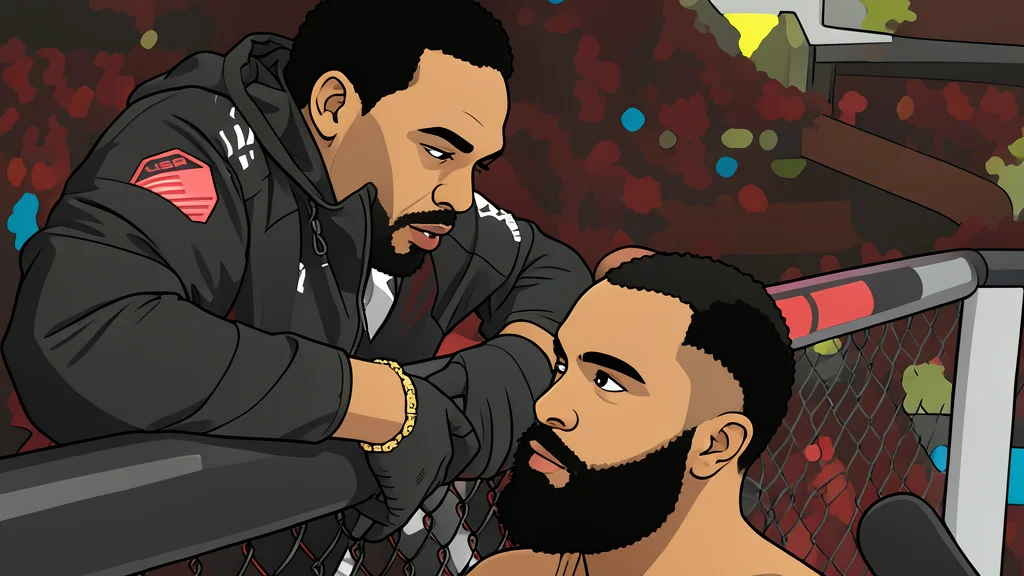
Dana White did not wait for the applause to settle. He stepped into the light, his voice cutting through the residual noise, and changed the financial landscape of the event. What began as a promotional gesture from Paramount+ for the series "MobLand" became a personal intervention. White added fifty thousand dollars of his own money to Sean Sharaf’s purse, doubling the bonus and turning a standard upset payout into a lifeline. The move was not merely about reward; it was a statement of intent, a direct injection of capital into the most surprising moment of the night.
The Weight of a Single Hook
Sharaf’s victory was not a grind, but a snap. The former Marine moved with a precision that bypassed Steveson’s guard entirely, the left hook connecting with a force that ended the debate before it began. The crowd, initially skeptical of the underdog’s odds, erupted in a sound that shook the rafters. It was a monumental upset, the kind of moment that shatters the hierarchy of the sport. Steveson, the favorite, was rendered a statue in the corner, his pride and position dismantled in the blink of an eye.
The aftermath was immediate and visceral. Sharaf stood over his opponent, the adrenaline still pulsing in his veins, while the officials signaled the end. The sheer speed of the knockout left spectators and analysts alike stunned, the narrative of a dominant favorite crumbling in real-time. It was a clean, brutal efficiency that defined the event, leaving no room for doubt about who truly controlled the pace of the fight.
A Night of High-Stakes Drama
The main card was a tapestry of high-octane performances, each bout adding layers to the evening’s intensity. Joshua Van and Alexandre Pantoja traded blows in the flyweight title rematch, their exchange earning the Fight of the Night honors. The canvas bore the marks of their relentless pressure, a testament to two fighters unwilling to yield. Their $100,000 bonuses reflected the quality of their war, a mutual respect forged in the crucible of competition.
Arman Tsarukyan’s performance in the co-main event was a masterclass in recovery. After absorbing a punishing right hand from Mauricio Ruffy, Tsarukyan did not falter. He closed the distance, secured a clinch, and delivered two elbows that ended the fight. The $100,000 Performance of the Night bonus acknowledged his resilience, the ability to turn damage into dominance. It was a stark reminder that in this sport, pain is often just the precursor to victory.
Financial Rescue in the Octagon
White’s additional funding was not just a bonus; it was a strategic intervention. Reports of Sharaf’s financial struggles, including a debt of $600,000, had circulated in the background. By adding his own money, White effectively reduced that burden by $100,000, a tangible impact on the fighter’s life beyond the octagon. The gesture, reported by Yahoo Sports, highlighted the complex intersection of business and personal loyalty in the promotion. It was a rare instance where the corporate machinery paused to acknowledge the human element.
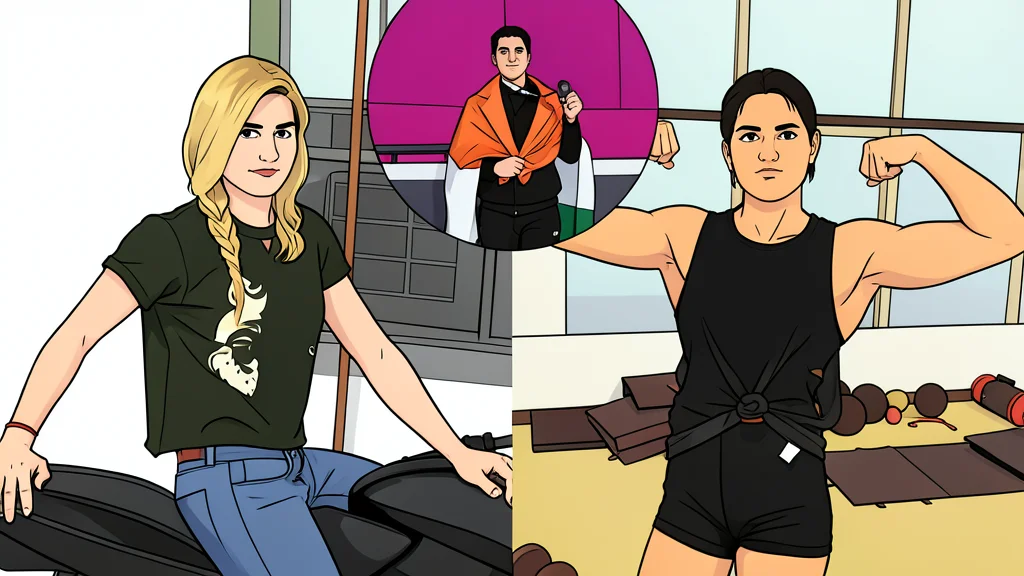
Casey O’Neill’s submission of Eduarda Moura on the prelims added another layer of drama. O’Neill’s composure in the face of an early takedown allowed her to capitalize on a mistake, flipping her opponent into an armbar. The $100,000 bonus for her performance underscored the depth of talent on the card. Every fight, every bonus, every punch contributed to a narrative that extended far beyond the scoreboard, touching on themes of redemption, pressure, and the unpredictable nature of combat sports.