Hojo Claims First Asian Games Gold in Gamagori
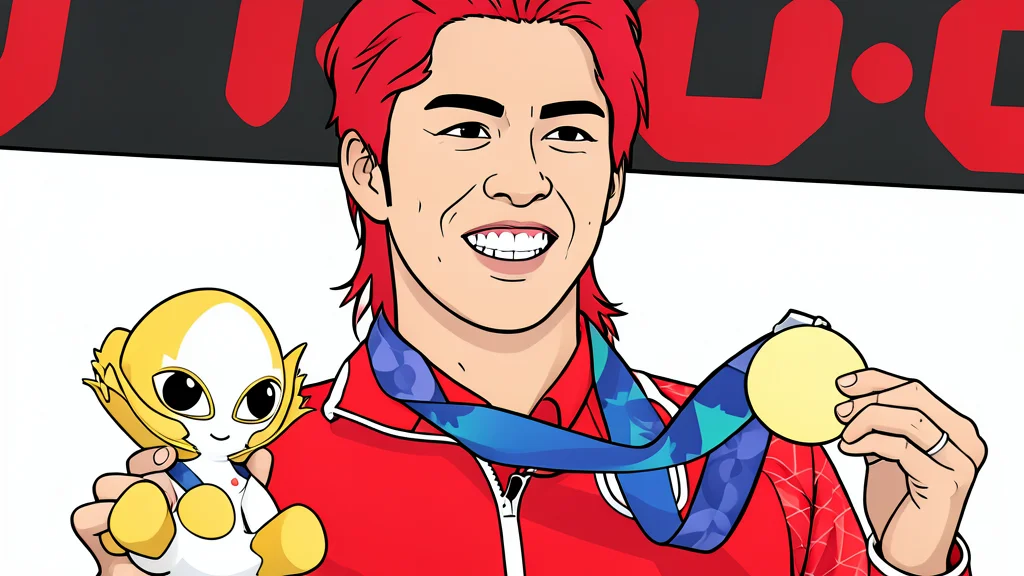
Rain held its breath as Japan’s Takumi Hojo crossed the line in Gamagori, securing the continent’s first gold medal with a nine-second lead.
The salt spray hung heavy in the air over Gamagori, the coastal course slick with recent moisture. Takumi Hojo did not hesitate. He surged through the 750-meter swim, the water churning around him as he set the pace for a title that would define the opening of the 20th Asian Games. When he emerged, the bicycle waited like a silent beast, its tires gripping the wet sand. The 20-kilometer ride was a blur of speed and discipline, a transition into the final 5,000 meters where legs burned and lungs screamed. He crossed the finish line in 52 minutes and 56 seconds, a margin of nine seconds that separated him from China’s Zhang Xirui. It was not just a win; it was a statement, the first of 469 gold medals to be claimed in this sprawling two-week spectacle.
Kazakhstan’s Arlan Zhanabay rounded out the podium, six seconds behind the Chinese runner, but the focus remained on Hojo. At 30, the Japanese triathlete carried the weight of expectation, yet his form was electric. He spoke of being "fired-up," noting how the rain had held off, allowing him to perform in top form right up until the starting line. This victory does more than just add a medal to Japan’s collection; it secures his place in the 2028 Los Angeles Olympics, a goal he has chased with relentless precision. The win served as a tangible boost for the host nation, injecting momentum into a competition that has been shadowed by logistical hurdles and organizational strain.
A stadium of quiet tension
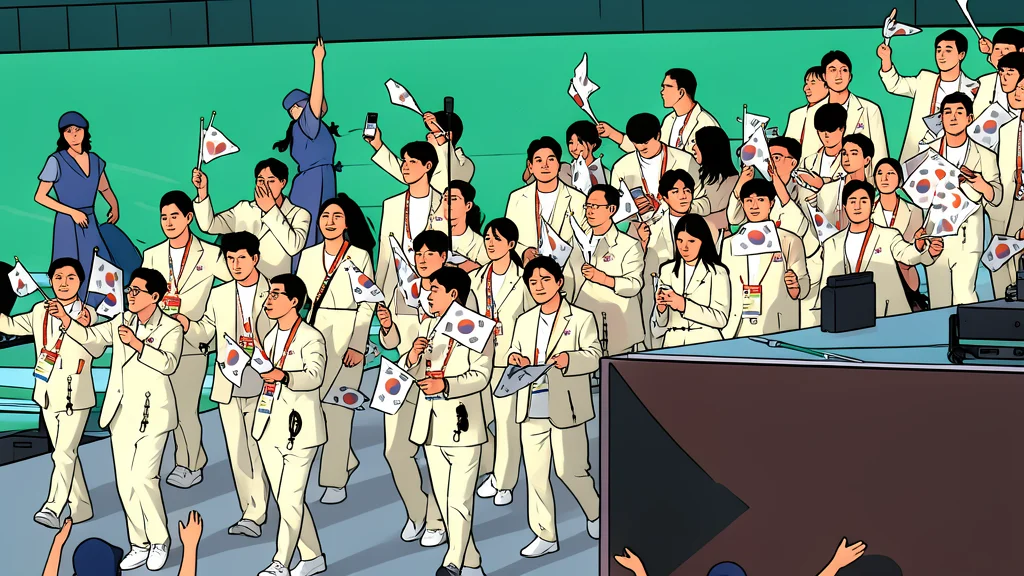
The official opening ceremony, presided over by Emperor Naruhito, had taken place the day before in Nagoya. Yet, the 30,000-capacity stadium felt hollow, rows of empty seats casting long shadows across the field. The event, which pits more athletes against each other than the Olympics, has been dogged by significant operational issues. Organizers, aiming to cut costs, abandoned the traditional athletes' village, opting instead for a patchwork of temporary container huts, hotels, and even a cruise ship. The result has been a strain on both competitors and officials, with reports of stranded athletes at airports and complaints about inadequate living conditions.
Tensions flared further when a diplomatic faux pas occurred during a hockey match, where North Korea’s national anthem was inadvertently played for the South Korean team. Organizers issued their "deepest apologies" for the error, a small but telling crack in the facade of a well-oiled machine. Despite these setbacks, the athletes continue to push forward, driven by the stakes of the event. With Olympic qualification spots on the line, the pressure is immense, transforming every lap and every stroke into a critical step toward future glory.
China’s aquatic dominance
While Hojo claimed the first gold, the pool in Nagoya buzzed with a different kind of electricity. Yu Zidi, a swimmer who does not turn 14 until next month, tore through the women’s 200-meter butterfly heats with startling ease. She touched the wall nearly 2.70 seconds ahead of her compatriot Chang Mohan, a gap that signaled not just talent, but a raw, untapped power. Her performance set the stage for a potential major gold medal, a feat few teenagers achieve on such a global stage. The water, usually a chaotic mix of splashes and shouts, seemed to part for her, reflecting the intense focus of a competitor who sees the finish line as a mere formality.
In the men’s 100-meter freestyle, the rivalry was tighter. Pan Zhanle, the world record holder and Olympic champion, clocked 48.07 seconds to qualify for the final. His margin over South Korea’s Hwang Sun-woo was a slender 0.06 seconds, a difference measured in the blink of an eye. Yet, Pan’s confidence was unshaken. He issued a clear warning to his rivals, stating that he expected to perform even better in the evening final. The air in the pool was thick with anticipation, each swimmer knowing that the real battle had only just begun.
A blend of regional and global
The Asian Games have long been a unique tapestry of sports, weaving together Olympic staples with regional favorites. Since their inception in 1951, the event has showcased athletics and swimming alongside sepak takraw and kabaddi, offering a comprehensive view of the continent’s athletic prowess. This edition is no different, with over 40 sports vying for attention. The diversity of the competition reflects the broad scope of the Games, a platform where cultural identity and athletic excellence intersect. As the days progress, the focus will shift from the individual triumphs of the opening day to the collective struggle of teams and nations, each striving to leave their mark on the record books.
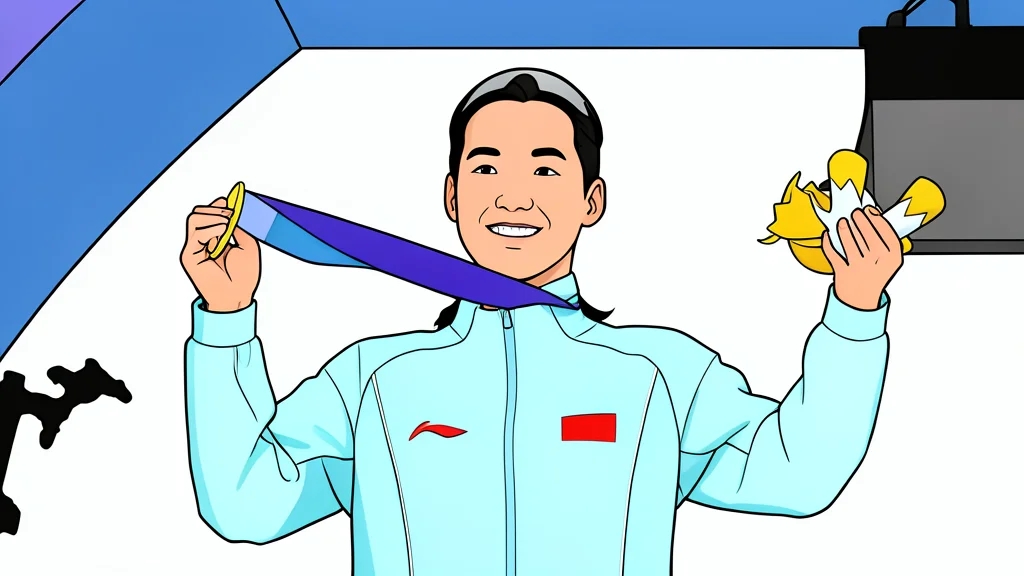
China’s dominance was further highlighted in the women’s individual triathlon, where Lin Xinyu claimed gold in 57 minutes and 37 seconds. Her victory improved upon her silver medal from the previous Asian Games in Hangzhou, signaling a step up in performance. Huang Anqi finished second, securing a Chinese one-two finish, while Japan’s Manami Hayashi took bronze. The results underscored the depth of talent in the region, with multiple nations capable of competing at the highest level. The narrative of the Games is not just about who wins, but about the relentless pursuit of excellence in a competitive landscape that is both vast and intricate. As reported by GN sports/triathlon (en-US), the stakes are high, and the performances are nothing short of extraordinary.