Dana White’s Unease over a Potential Hokit Championship
The UFC boss admits he dislikes the heavyweight contender’s rhetoric, creating a complex dynamic ahead of the title fight.
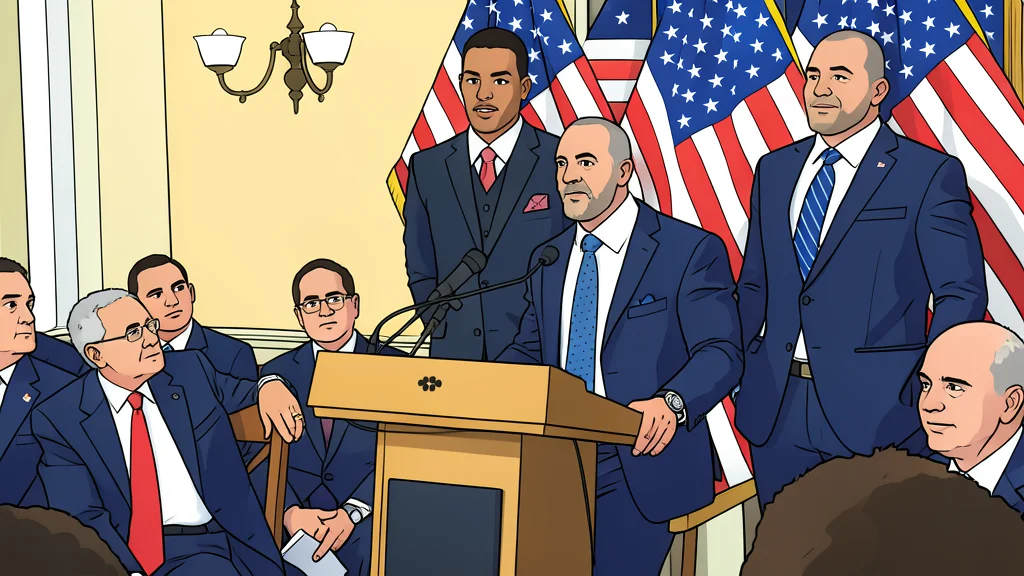
The air in the press conference room is thick with the hum of cameras and the weight of expectation. Dana White stands at the podium, his expression a mix of professional detachment and personal friction. He is not here to offer praise; he is here to address a reality that sits heavily on the organization’s shoulders. The topic is Josh Hokit, a fighter whose path to the top is paved with victories over giants like Derrick Lewis and Curtis Blaydes. Yet, for White, the journey is overshadowed by a persistent noise that refuses to fade.
White’s discomfort is not born from doubt about Hokit’s physical prowess. It stems from the words. The UFC president has long maintained that personal affection is irrelevant to a fighter’s success. He has watched athletes he personally dislikes thrive under the octagon lights. However, Hokit presents a unique challenge. His public comments, ranging from controversial remarks about public figures to other contentious statements, have created a rift that White finds difficult to manage. The fear is not of losing a fight, but of gaining a champion whose voice might outpace the organization’s control.
A Friction Beyond the Octagon
In the aftermath of UFC 331, White addressed the speculation surrounding Hokit’s proximity to the belt. He spoke with a blunt clarity that stripped away corporate polish. He acknowledged that he does not have to like a fighter for them to succeed, a principle he has upheld throughout his tenure. But the exception is stark. White stated that he literally dislikes everything Hokit says. It is a visceral reaction, one he admits will not change unless the fighter does. This is not a strategic critique of fighting style; it is a rejection of the persona. The tension is palpable, a static charge in the relationship between the promoter and the contender.
The concern extends beyond personal dislike. When a fighter makes inappropriate statements, the criticism often boomerangs back to the leadership. White understands the mechanics of this dynamic. A champion is a face, a representative of the brand. If that face carries controversy in its wake, the organization bears the brunt of the backlash. White’s dread is a preemptive strike against a potential PR nightmare. He has seen the fallout from unfiltered speech, from other high-profile fighters, and he is unwilling to navigate that terrain again with a man he views as a constant source of friction.
The Stakes of the Undisputed Title
The path to resolution leads to the main event of UFC 334. Ciryl Gane, the current heavyweight champion, will defend his belt against the undefeated Hokit. This matchup is a collision of athletic excellence. Gane, with only two losses in his professional career, brings a polished, technical precision. Hokit, ranked number six, brings the raw, explosive power that has dismantled previous opponents. Both men possess a speed and mobility that defy their weight class, promising a contest that will test the limits of heavyweight endurance. The crowd will be electrified by the prospect of such a dynamic exchange.
The announcement of this fight follows a period of confusion regarding Gane’s status. White had previously misspoken, suggesting the interim champion would not be promoted. That error was quickly corrected, solidifying Gane’s position as the undisputed ruler of the division. Now, the focus shifts to the November 14 date. For Hokit, this is the culmination of a long wait since his victory over Lewis. For White, it is a moment of high risk. The outcome will not only determine the next face of the heavyweight division but will also test the resilience of the organization’s narrative in the face of a champion who speaks with a distinct, and currently unwelcome, voice.
A Legacy of Unfiltered Speech
The UFC has always been a platform for raw expression. Fighters like Bryce Mitchell and Sean Strickland have pushed boundaries with their words, often sparking debates that extend far beyond the sports world. White has historically supported this freedom, recognizing that the drama is part of the product. But there is a line, and Hokit’s comments have repeatedly tested it. The infamous remark about Michelle Obama remains a flashpoint, a reminder that the stakes of public speech are high. White’s current stance is a warning: the freedom to speak does not guarantee the freedom from consequences, especially when those consequences threaten the stability of the brand.
As the training camps begin in earnest, the atmosphere is charged with anticipation. The physical preparation is just one facet of this battle. The mental and rhetorical battles are already underway. White’s comments, reported by GN sports/mma, serve as a backdrop to the upcoming showdown. It is a reminder that in the UFC, the war is not just fought with fists, but with words, reputations, and the enduring power of a narrative. The canvas mat awaits, but the real fight may be happening in the press conferences and the public eye, where the true measure of a champion is often weighed.