Jones Frozen as Steveson Falls in Twelve Seconds
The canvas caught a body before the first round could breathe. In Los Angeles, the most hyped heavyweight prospect in history met a left hand that ended everything before it began.
The air in Crypto.com Arena held its breath for exactly twelve seconds. Then, the silence broke. Gable Steveson, the Olympic champion whose name had been chiseled into the future of heavyweight wrestling, hit the mat. Sean Sharaf’s left hand did not just land; it carved a path through the noise, sending the 26-year-old tumbling before the fight had truly started. It was a blow that defied the odds, the expectations, and the sheer weight of the hype that had followed Steveson into the cage.
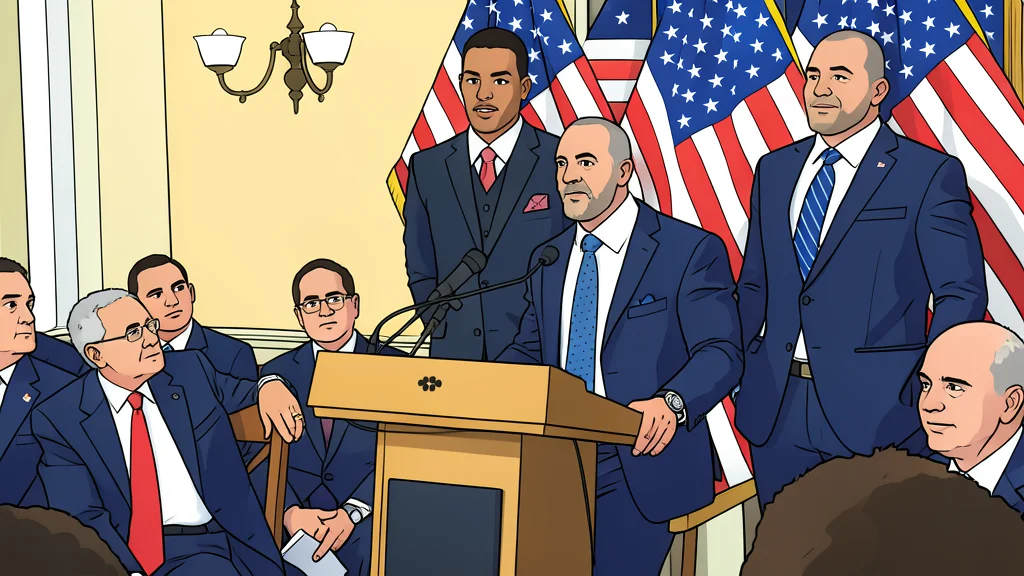
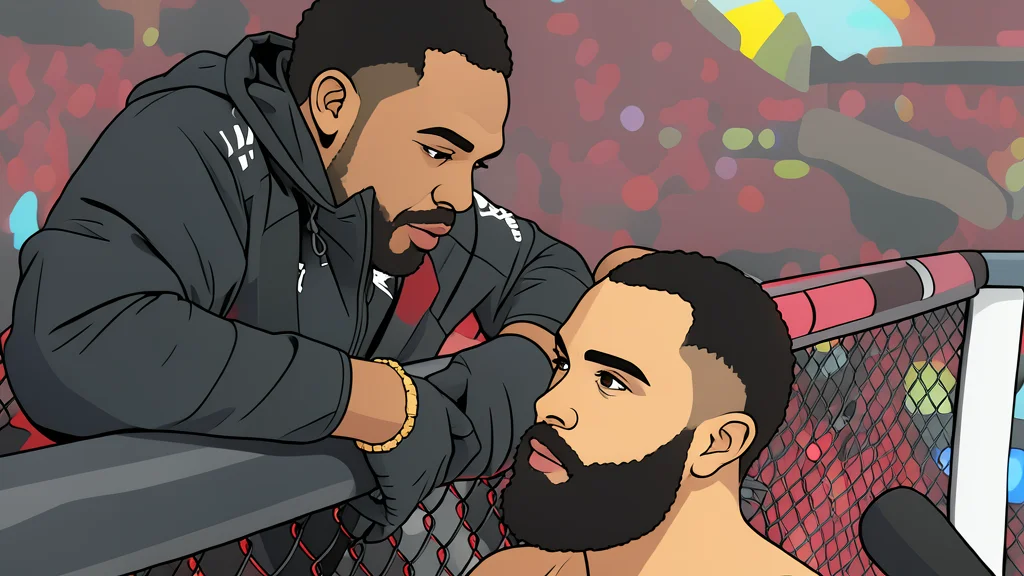
In the corner, Jon Jones stood motionless. The former two-division champion, who had walked Steveson through every step of his transition from the wrestling mat to the MMA octagon, was frozen. His mouth hung open, a silent gasp trapped in his throat. Cameras captured the moment in high definition, showing a man watching a dream shatter in real-time. The disbelief was palpable, a physical weight in the room that no amount of coaching could lift.
The Heaviest Upset in History
Bookmakers had priced Steveson at minus 1800, a figure that signaled certainty rather than probability. That number made Sharaf’s victory the most significant betting upset in UFC history according to DraftKings. Sharaf, a retired U.S. Marine who entered the bout as a ten-to-one underdog, had been viewed by many as a sacrificial lamb. But the gloves were padded, and the physics of a punch do not care about pedigree. For one moment, the giant was small, and the underdog was a force of nature.
Steveson had arrived with a perfect four-fight record, every victory a first-round knockout. His amateur résumé was a gold standard, including an Olympic title won at age twenty-one and multiple NCAA championships. Yet, in the professional arena, the margin for error is zero. One slip, one flash of speed, and a career’s worth of potential can be erased before the first minute expires. The speed of the knockout left no room for adjustment, no time for the crowd to process the shift in momentum.
A Corner of Silence
Jones, alongside coaches Greg Jackson and Brandon Gibson, had prepared Steveson for this moment. They had mapped out strategies, drilled techniques, and built confidence. But in the corner, when the bell rang and the fight ended so abruptly, words failed. Jones’ reaction, captured by the lens of a photographer, became an immediate symbol of the shock. It was a look of pure disbelief, a face that had seen countless victories but not this kind of sudden, brutal end for a protégé he had helped build.
The footage, shared widely by sports outlets including GN sports/mma (en-US), showed the raw human element behind the athletic spectacle. It was not a technical breakdown or a strategic error that could be easily corrected in the next training session. It was a moment of vulnerability that exposed the fragility of success in the sport. The noise of the arena faded into the background, leaving only the ringing in the ears and the memory of a body hitting the canvas.
The Reality of the Octagon
MMA is often described as a chess match, but it is also a brawl. The old adage holds true: anything can happen when big men throw punches. Steveson’s loss is a stark reminder that no amount of accolades can guarantee safety. The transition from amateur wrestling to professional mixed martial arts is a chasm, and for Steveson, that chasm opened wider than anyone expected. The canvas did not flinch, and neither did the reality of the sport.
As the dust settled in Los Angeles, the focus shifted from the winner to the stunned reaction of the loser’s corner. Jones’ frozen expression was a testament to the emotional investment of the coaches and the athletes. It was a moment that would be replayed, analyzed, and debated, but in the end, it was just a picture. A picture of a man watching his friend fall, and the sport reminding everyone why they fear it.