McGregor Demands Holloway Finish the Fight After Knee Injury
Conor McGregor targets Max Holloway's post-fight decision, demanding the brawl continue despite his own catastrophic ACL tear.
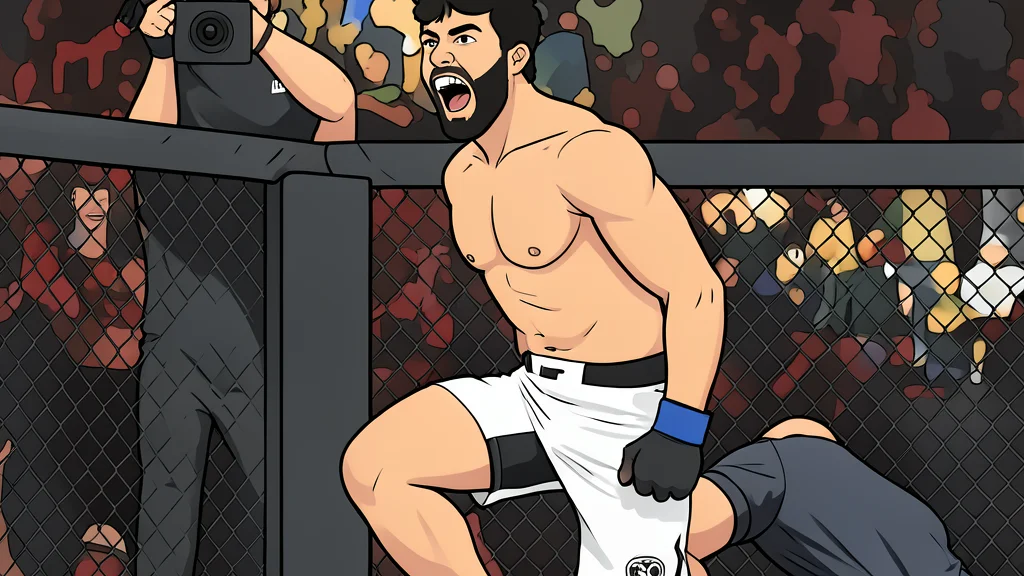
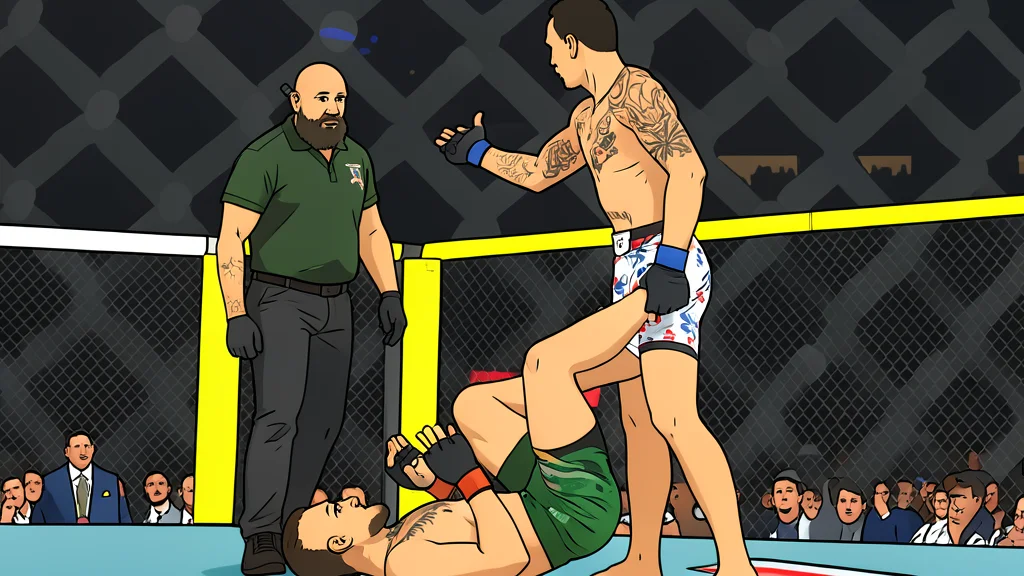
The air in the octagon still hums with the ghost of a shattered knee. Sixty-nine seconds. That is the entire duration of Conor McGregor’s return, a window of time that ended not with a knockout, but with a snap. The jumping kick, a high-risk gamble in the opening moments, sent him crashing to the canvas. The referee stopped it. But for McGregor, the real offense did not come from the impact on his leg. It came from the other man standing over him, looking not at the blood, but at the official. Max Holloway wanted it over. He wanted the whistle. He wanted the mercy of a stoppage. To McGregor, that act was a cowardice that demands a violent answer.
In the aftermath, the narrative focused on the knee, on the medical urgency, on the five-year gap that left the body untested. But on his MAC Energy channel, speaking with Robert O'Neill, McGregor peeled back the layers to reveal a different grudge. He did not call for the finish. He did not beg for the bell. He charged forward. He flew across the octagon. He intended to crack Holloway’s jaw. The body failed him, yes. But the spirit did not yield. Now, as he sits in the recovery phase, the anger has calcified into a specific, sharp target. It is not the injury he resents. It is the request to stop.
The Referee Call
McGregor’s voice, when he speaks of this moment, carries a weight that defies the casual nature of the conversation. He rejects the notion that he was the one seeking an exit. The fight had barely begun. The blood was fresh. The adrenaline was still a living thing in the air. And yet, Holloway looked for the ref. He sought the end. McGregor’s response, captured in the raw audio of the interview, is a visceral rejection of that instinct. He does not ask for a rematch. He asks for the continuation. He wants the chaos to unfold. He wants the violence to be completed. The idea that a fighter would call for the stoppage, that he would seek safety in the rules, is an affront to the code they both claim to live by.
This is not a dispute about tactics. It is a dispute about intent. McGregor frames the incident as a moment where Holloway abandoned the warrior’s path. By calling for the fight to be stopped, he signaled a retreat. He chose the safe harbor over the storm. For McGregor, who has built his legend on the willingness to fly into danger, this is a betrayal of the sport’s core ethos. The fight is not a negotiation. It is a collision. To call for the end before the collision is complete is to admit defeat before the final blow lands. It is a surrender of the narrative. And in the world of the octagon, the narrative is everything.
The Path to Retribution
The timeline for this retribution is set by the body’s own clock. The ACL repair is done. The surgery was successful. But the tissue needs time to gel. The swelling is down, the crutches are being phased out, but the bone and the ligament are still knitting themselves together. McGregor acknowledges the science. He knows the old injury, from a decade ago, was not fully healed when he returned. He fought on one leg. He won, but the foundation was cracked. This time, he is choosing a different path. He is taking the full nine to twelve months. He is letting the body do its work. He is ahead of the curve, he says. The swelling is down. The pain is manageable. But the healing is not finished.
A History of Comebacks
McGregor speaks of his last return to the cage in Dublin. He knocked out his opponent in one round. It was a triumphant moment. But underneath the celebration, the leg was still weak. The injury had not fully integrated. He had rushed the process. He had forced the body to perform before it was ready. Now, with the advancements in modern medicine and training methods, he has a different advantage. He has time. He has the luxury of waiting. He is not rushing back to prove a point. He is waiting to be fully healed. He is waiting to be dangerous. The goal is not just to fight Holloway again. The goal is to finish what was started. The goal is to prove that the first fight was a glitch, not a destiny. The goal is retribution.
As he sits in his recovery, the image of the knee brace on the gym mat becomes a symbol of this waiting period. It is a reminder of the fragility. It is a reminder of the cost. But it is also a promise. The brace will come off. The leg will be strong. The anger will be focused. And when the bell rings next time, there will be no calls for the ref. There will be no mercy. There will be only the fight. McGregor’s journey is not just about returning to the octagon. It is about clearing the air of that one moment of hesitation. It is about ensuring that when he and Holloway meet again, the fight goes all the way. It is about finishing the job. It is about retribution. And it is about the greatest comeback in sports history.